First edition · 5–11 April 2027 · provisional dates, to be agreed
Polish–Basque Friendship Days
Friendship across borders
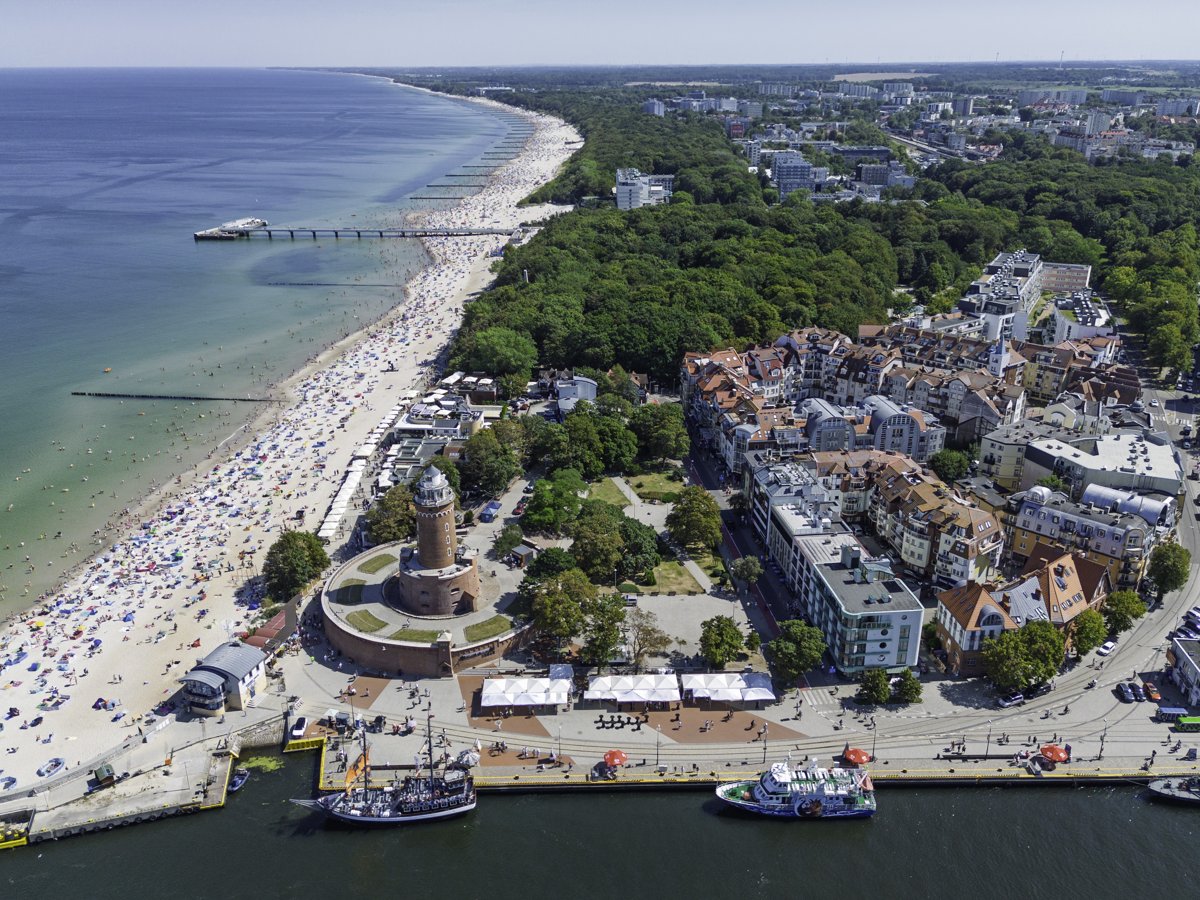
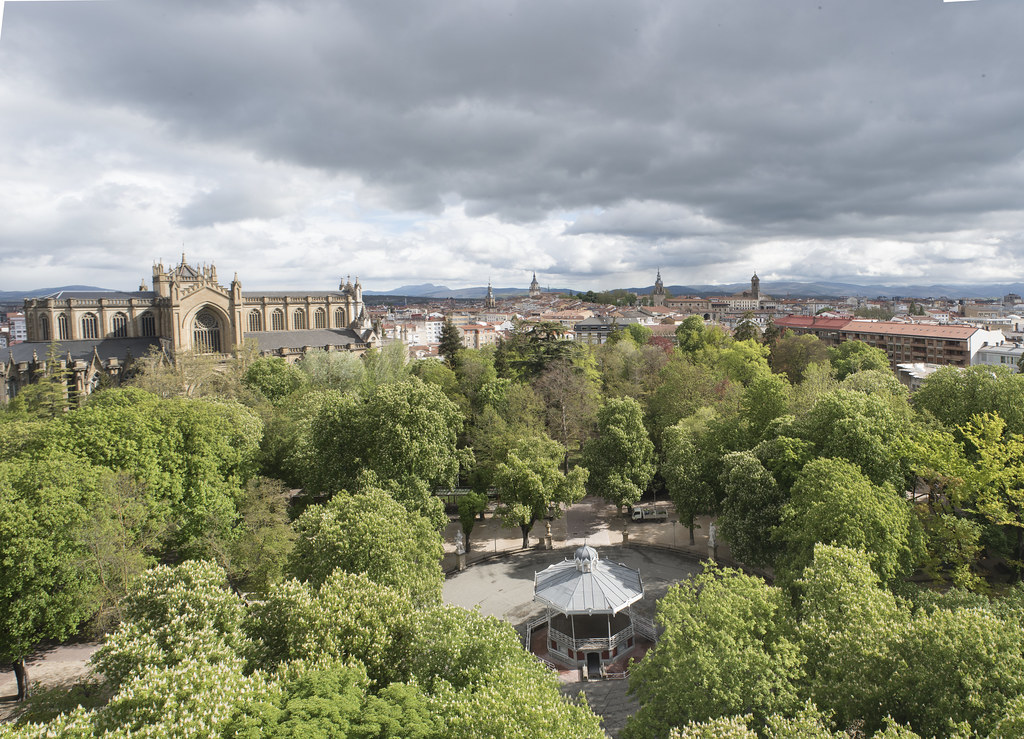
Kołobrzeg / Vitoria-Gasteiz
In April 2027, we intend to officially celebrate our schools’ ten-year partnership jubilee, whose formal celebrations were postponed because of the pandemic. Our longstanding partnership and friendship inspired the first edition of the Polish–Basque Friendship Days.
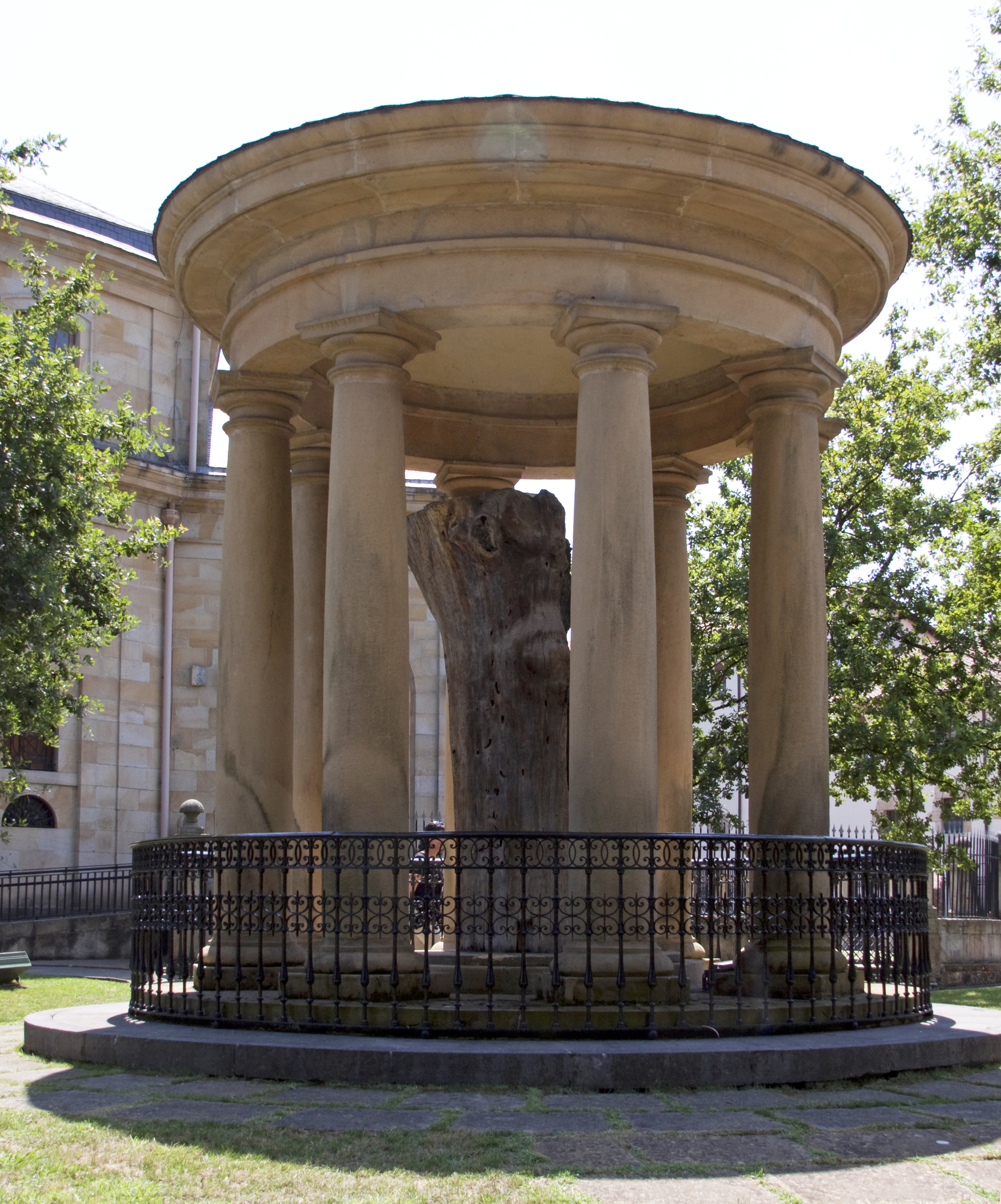
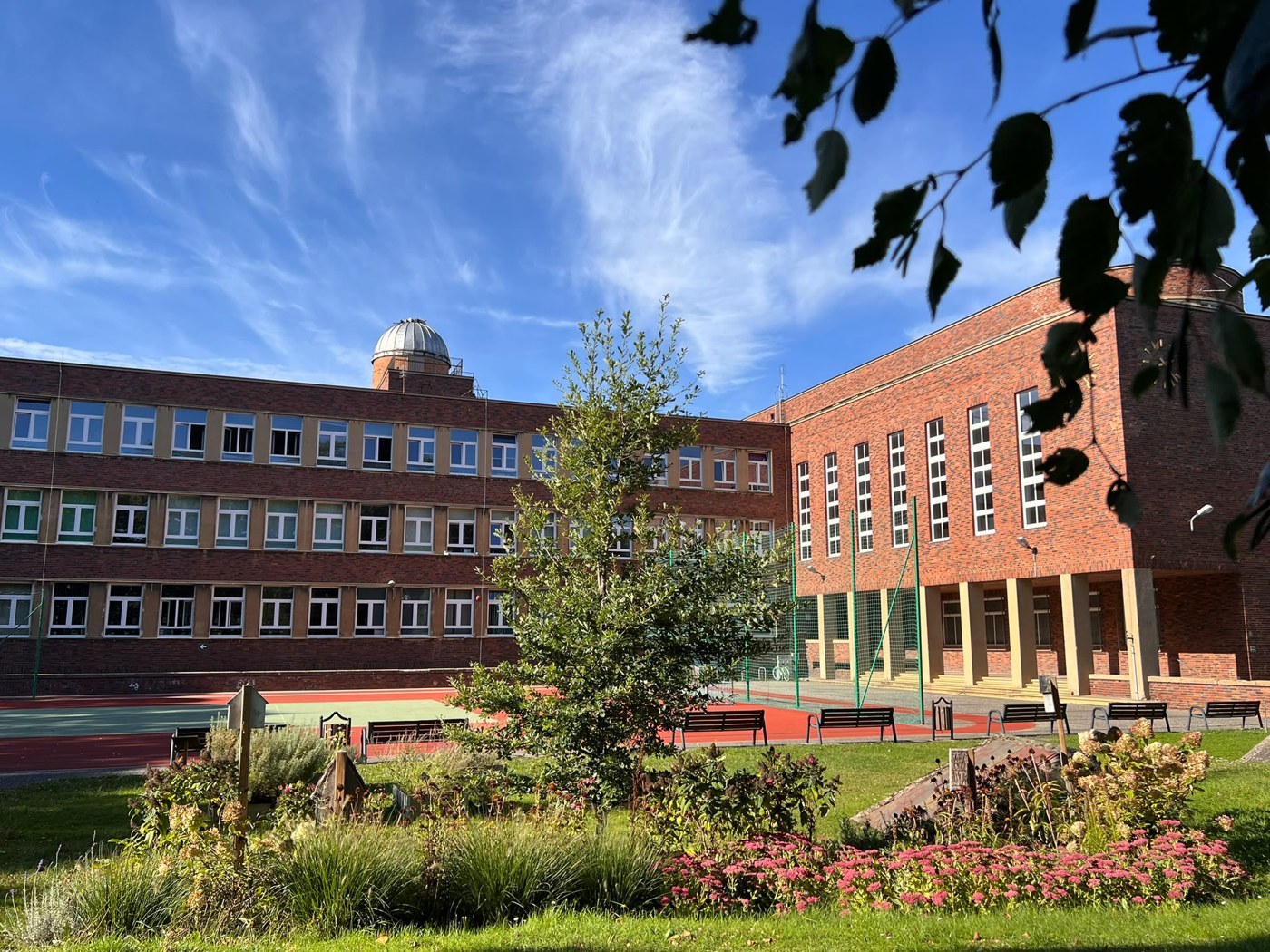
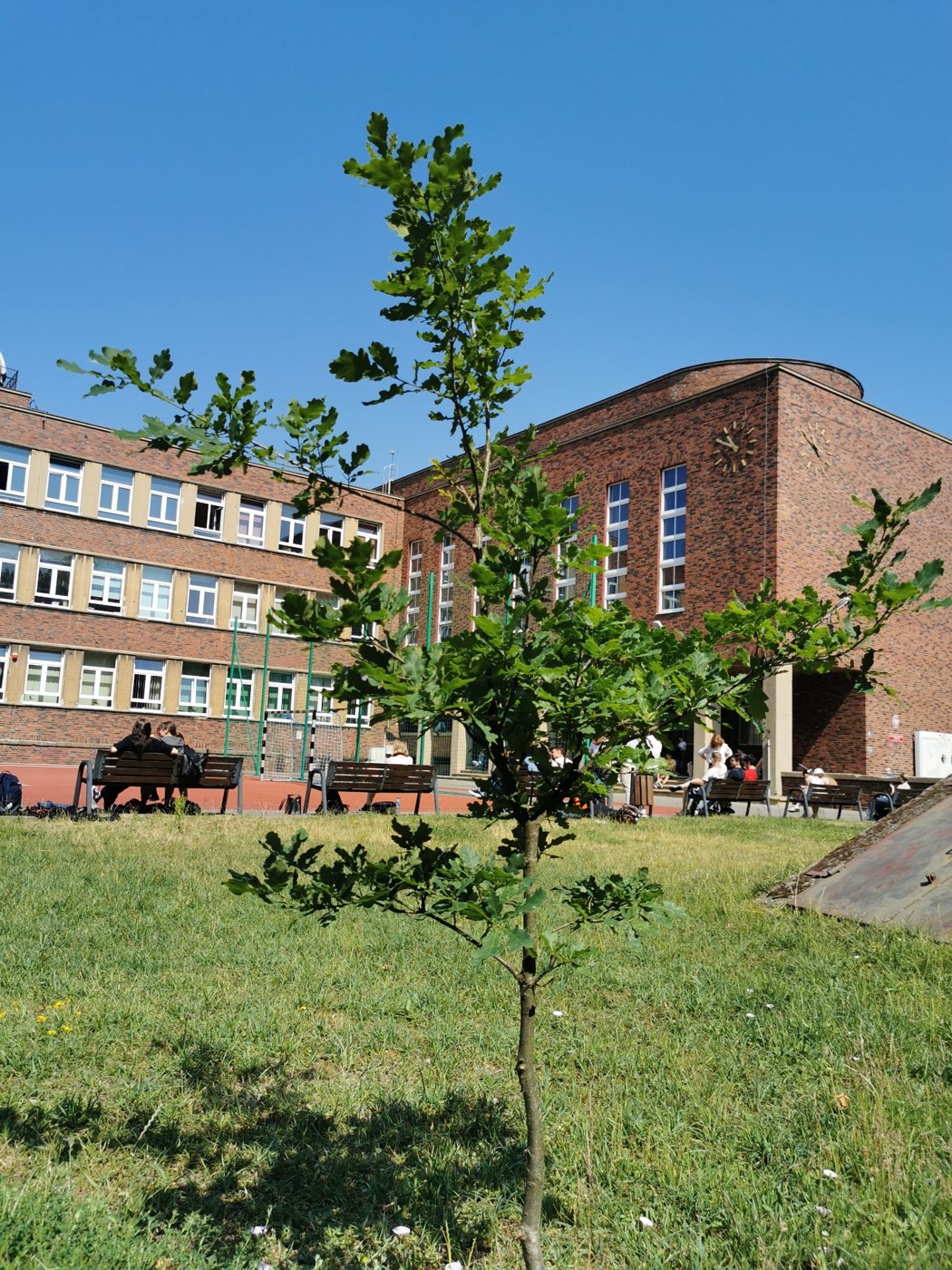
Gernika — the preserved trunk of the old oakTony Hisgett · Wikimedia Commons · CC BY 2.0Kołobrzeg — our oak in the school courtyard, September 2026
In 2018, our Basque friends gave the school an oak sapling from Gernika. According to Cecilio Erazquin, it belongs to the lineage of the original oak. Today it grows in Kołobrzeg — a living symbol of the bond between our schools.
Before taking root here, it travelled across Europe with us by coach. Discover the story of the gift and the nearly 48-hour journey.
Ten-year partnership jubilee · a new chapter of friendship
Such a longstanding partnership and lasting friendship inspired us to take our cooperation to a higher level and organise the first Polish–Basque Friendship Days. We want the Days to become a permanent fixture in Kołobrzeg’s events calendar: a recurring educational and cultural event open to residents, other schools and institutions, promoting mutual understanding of Poland and the Basque Country.
Our goals
Sharing knowledge of the Basque Country — its history, culture, language and traditions — while introducing Poland and our region to Basque communities.
Creating opportunities for direct contact and mutual understanding among students, teachers, residents and institutional representatives from both regions.
Involving a wide range of participants in encounters and activities, and sharing exchange and project experience with other schools, teachers and people interested in Polish–Basque cooperation.
Developing intercultural dialogue, mutual respect and openness, and challenging stereotypes through personal encounters and shared activities.
Involving young people in creating the programme, materials and events to develop their language, social and organisational skills and their sense of responsibility for a shared project.
Building a lasting network of schools, cultural institutions and organisations in Poland and the Basque Country to support future exchanges, projects and editions of Friendship Days.
Organisation and coordination
Marek Kieś and I Liceum Ogólnokształcące Dwujęzyczne im. Mikołaja Kopernika in Kołobrzeg are responsible for preparing and coordinating the initiative, in cooperation with Cecilio Erazquin and Marianistas school in Vitoria-Gasteiz.
Regional significance and wider reach
Friendship Days aim to enrich the educational and cultural life of Kołobrzeg and the West Pomeranian region, introducing residents to the Basque Country and demonstrating the value of long-term international cooperation. The event seeks to bring school and local communities together and inspire others to establish their own partnerships.
Through cooperation with the media, publications and materials in four languages, we aim to reach audiences beyond the region. Event coverage and examples of good practice are intended to reach other parts of Poland and the Basque Country, promoting both regions and encouraging further joint initiatives.
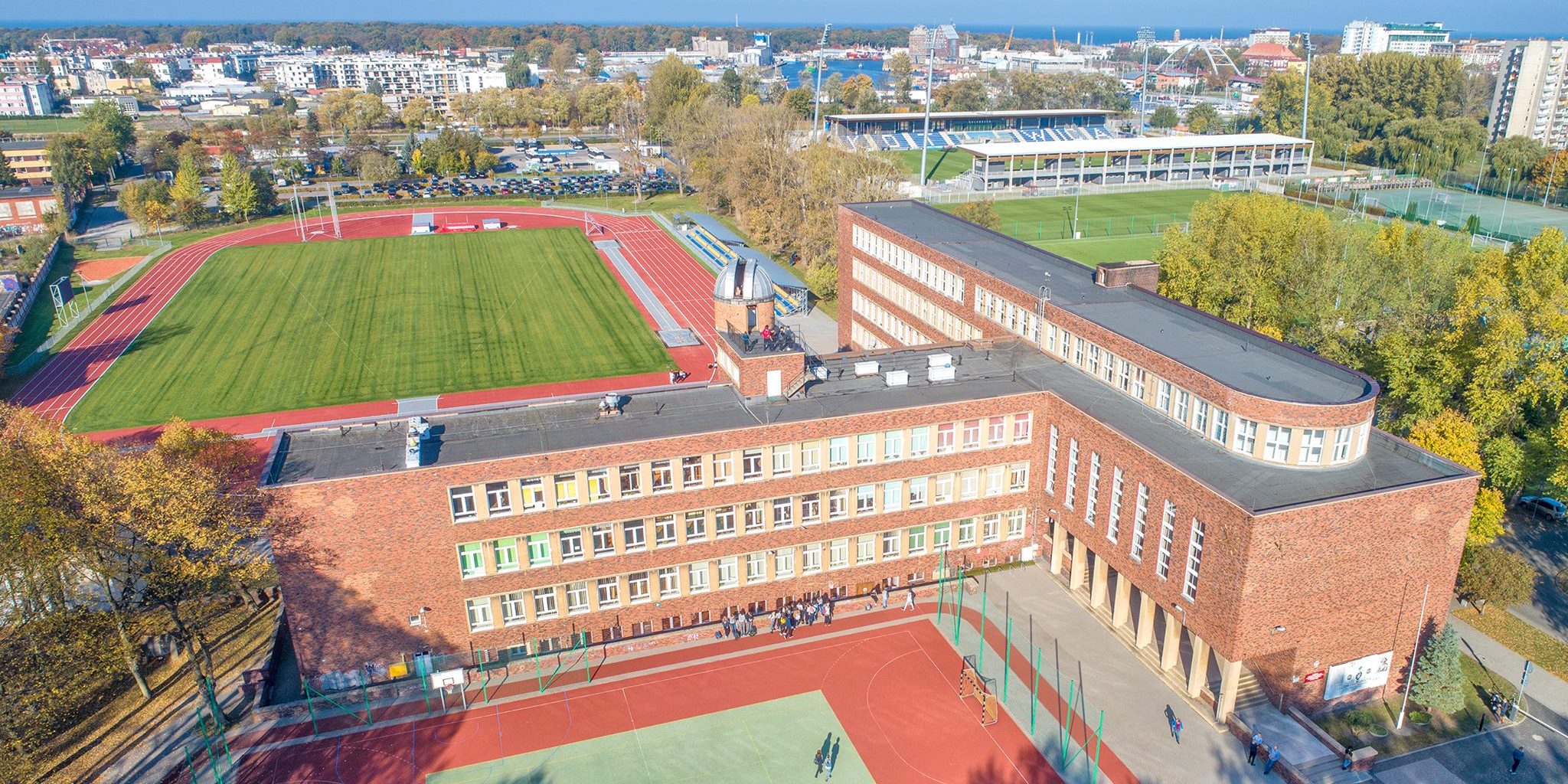
I Liceum Ogólnokształcące Dwujęzyczne im. Mikołaja Kopernika w Kołobrzegu
A public upper secondary school offering bilingual classes with English and selected subjects taught in two languages since 2018/2019.
Founded in 1945. School community: 553 students and 56 teachers.
A historic building, astronomical observatory, athletics stadium and long-standing international exchanges support learning, languages and personal interests.
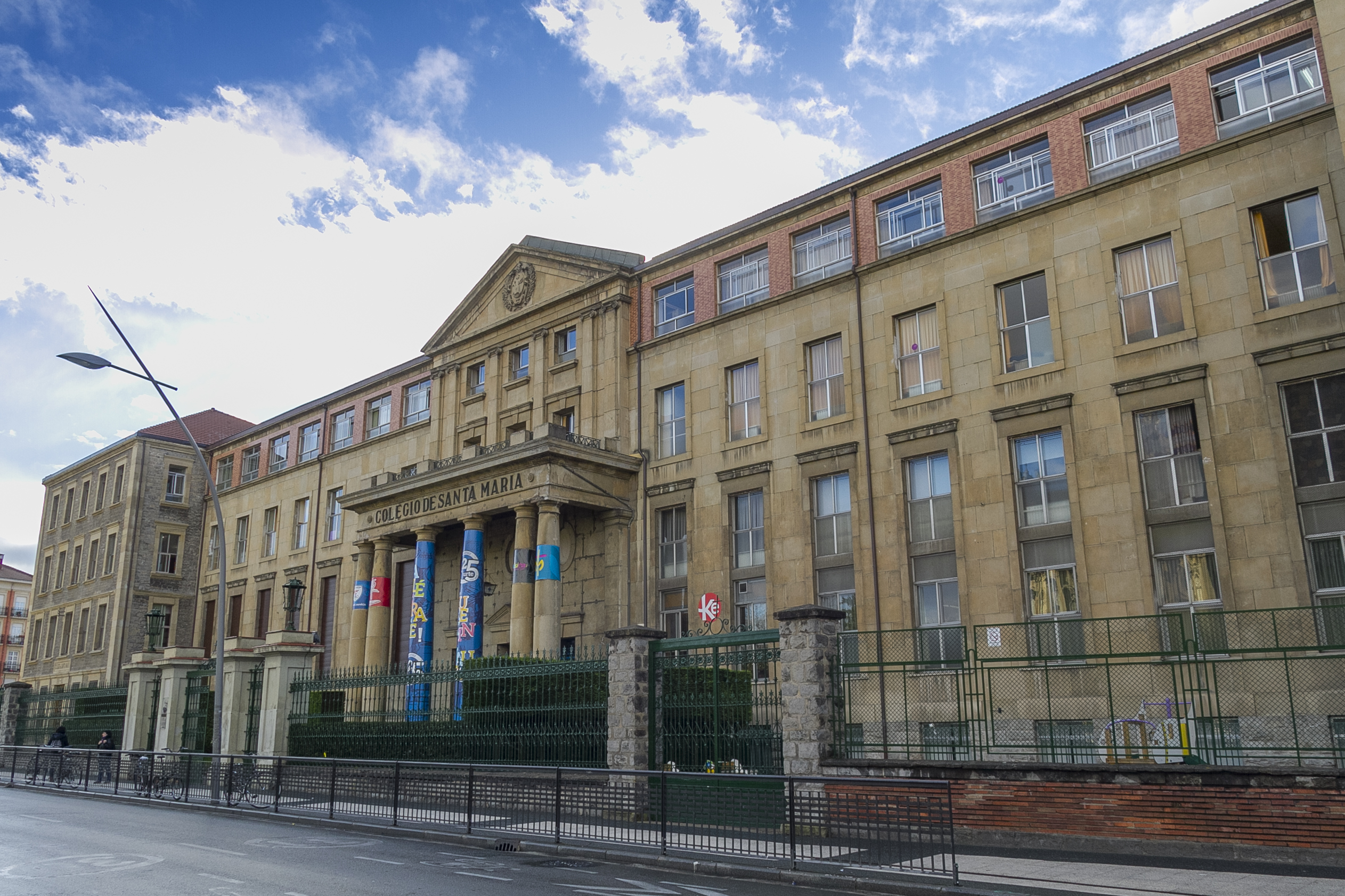
Colegio Santa María — Marianistas · Vitoria-Gasteiz
A school in the Marianist Christian tradition, providing education from early childhood through Bachillerato, the stage preparing students for university.
A tradition dating back to 1889; the first classes began in 1890. The school develops education in Basque, Spanish and English.
The partnership with Kołobrzeg began in 2014. Shared lessons, sport, culture and stays with host families bring the two school communities together.
From the very beginning, we put our whole hearts into this partnership. Our Basque friends recognised that commitment and responded with warmth, openness and trust. Those encounters gave rise to our love for the Basque Country, its beauty, its culture and its wonderful people. That affection is fully reciprocated and has given meaning to our shared journey for years. We hope to pass it on to successive generations of young Poles, so that they too can get to know the Basque people, experience their hospitality and build friendships of their own across borders.
We would be very happy if our work became an inspiration for other schools and teachers. We hope this story encourages them to build international partnerships, discover other cultures and create spaces where young people learn mutual respect. We believe that every friendship of this kind can be the beginning of something beautiful for students, teachers and entire school communities.
Planning spaceEvent week: 5–11 April 2027 · provisional dates, to be agreed. The daily schedule, times and guest participation are proposals to be agreed.
01 / Let’s meet
A week of friendship
Choose a day and open an event to see its planning details.
Whole week
Draft programme for 5–11 April 2027. Dates, guest attendance and official meetings require confirmation with school management, the Basque partner and invited institutions.
02 / A day of shared history
Closing gala of the first Polish–Basque Friendship Days
Students, teachers, alumni and invited guests come together to tell the story of our schools’ partnership.
Assembly hall of I LO Dwujęzyczne in KołobrzegFriday, 9 April · date to be confirmedSchool programme until 15:00 · gala duration to be agreed
From the first contacts in 2014 to our shared gathering in April 2027.
In April 2027, we intend to officially celebrate our schools’ ten-year partnership jubilee, whose formal celebrations were postponed because of the pandemic. Our longstanding partnership and friendship inspired the first edition of the Polish–Basque Friendship Days.
2014—2027
The timeline outlines the partnership and the coordinator’s account of the 2018 gift. Exact exchange dates and memories can be added from the archive.
2018 / A gift from the Basque Country
The oak that chose the coach
From Gernika to our school courtyard, with an adventure along the way.
The sapling in front of the school · archive photographThe tree in the school courtyard — September 2026
Some gifts fit in a suitcase. Ours had roots and needed a little more room! In 2018, we received a very special gift: an oak sapling from Gernika, destined to connect the Basque Country with our secondary school in Kołobrzeg. So began the adventure of one of the most unusual members of our exchange.
In 2018, our Basque friends gave the school an oak sapling from Gernika. According to Cecilio Erazquin, it belongs to the lineage of the original oak. Today it grows in Kołobrzeg — a living symbol of the bond between our schools.
For the Basque people, Gernikako Arbola is a symbol of freedom and identity. Representatives of Biscay’s towns gathered beneath the oak in Gernika to discuss shared concerns. Successive trees carry this tradition across generations. Our sapling brings a little of that story to our school.
This gift has a special meaning for us. Receiving an oak sapling from Gernika means welcoming a living sign of friendship and an invitation to share what matters to our Basque friends: memory, culture and a commitment to freedom. For our school community, it is also a beautiful expression of trust. The gift does not end when it is handed over: it grows, needs care and roots our shared history more deeply with each passing year.
Our delight soon came with a very practical question: how would we take it on the plane? The sapling was rather large, and we worried about whether we could transport it and whether its size would be a problem. Friendship knows no borders, but would airline baggage rules agree?
As sometimes happens in life, fate found its own solution, on a scale nobody had asked for. A strike by air traffic controllers in France led to the cancellation of our flight. Instead of flying home, we set off for Poland by coach. Ahead lay the longest journey of our lives: almost 48 hours!
For us, it meant a long and tiring journey home. For the oak, it meant the end of our worries about flying. We reached Kołobrzeg together, and our remarkable gift found a home in the school courtyard. Today we can look back with a smile: our oak never flew, but it did travel across a good stretch of Europe!
Now it grows alongside our friendship. It reminds us that exchanges also bring unexpected adventures and memories that last for years. When we meet for the Polish–Basque Friendship Days, it will be here with us: a living reminder of our shared journey. Friendship really can put down roots far from where it began.
A plaque for our shared history
During the Polish–Basque Friendship Days in Kołobrzeg in April 2027, we plan to unveil a special commemorative plaque in front of the oak. It will explain the tree’s origins in Gernika, the meaning of this remarkable gift and its connection with the friendship and cooperation between our schools. We want everyone who pauses by the oak to discover its story and learn how far friendship travelled before putting down roots here.
Travel recollection: Marek Kieś, partnership coordinator.
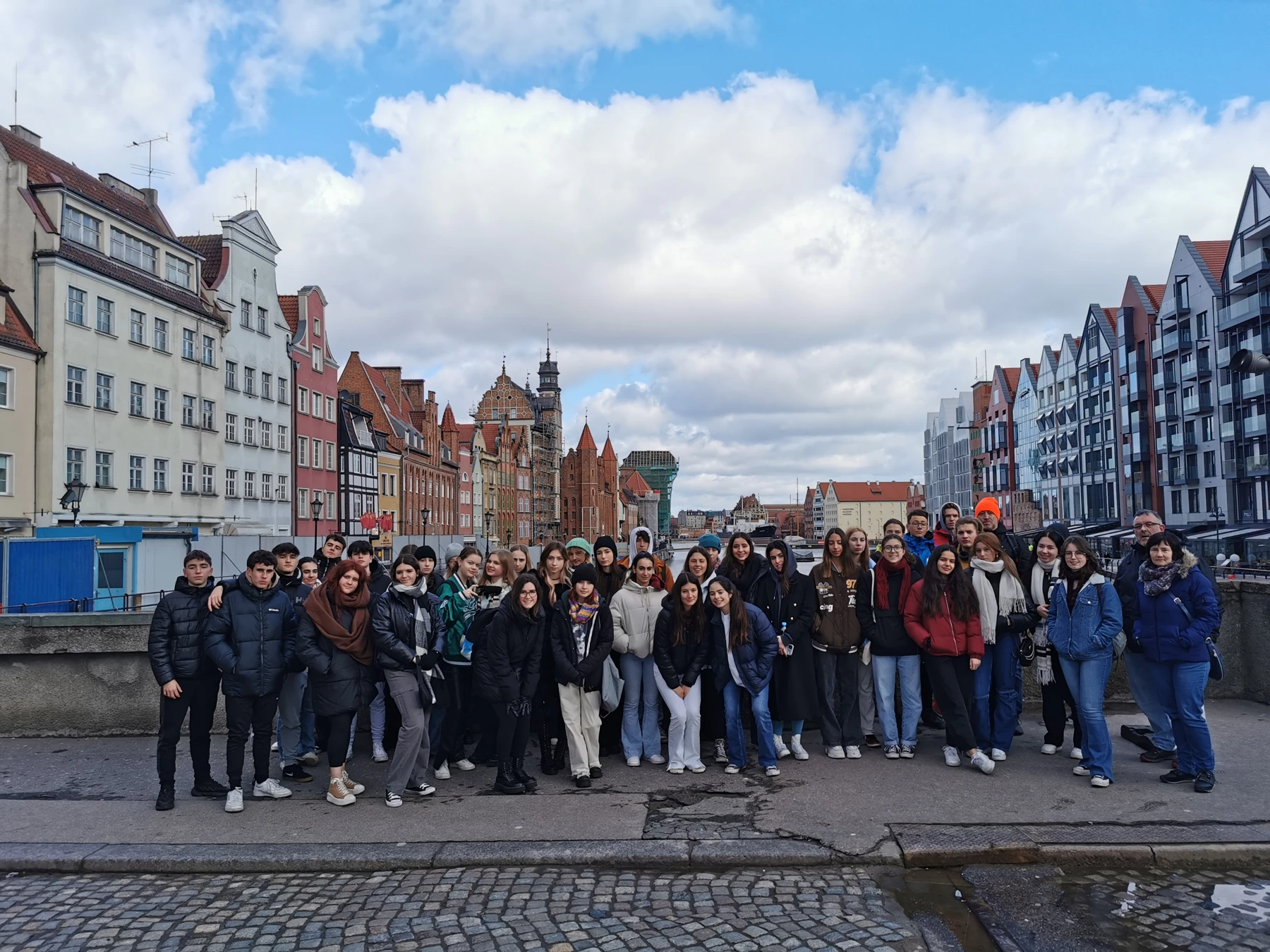
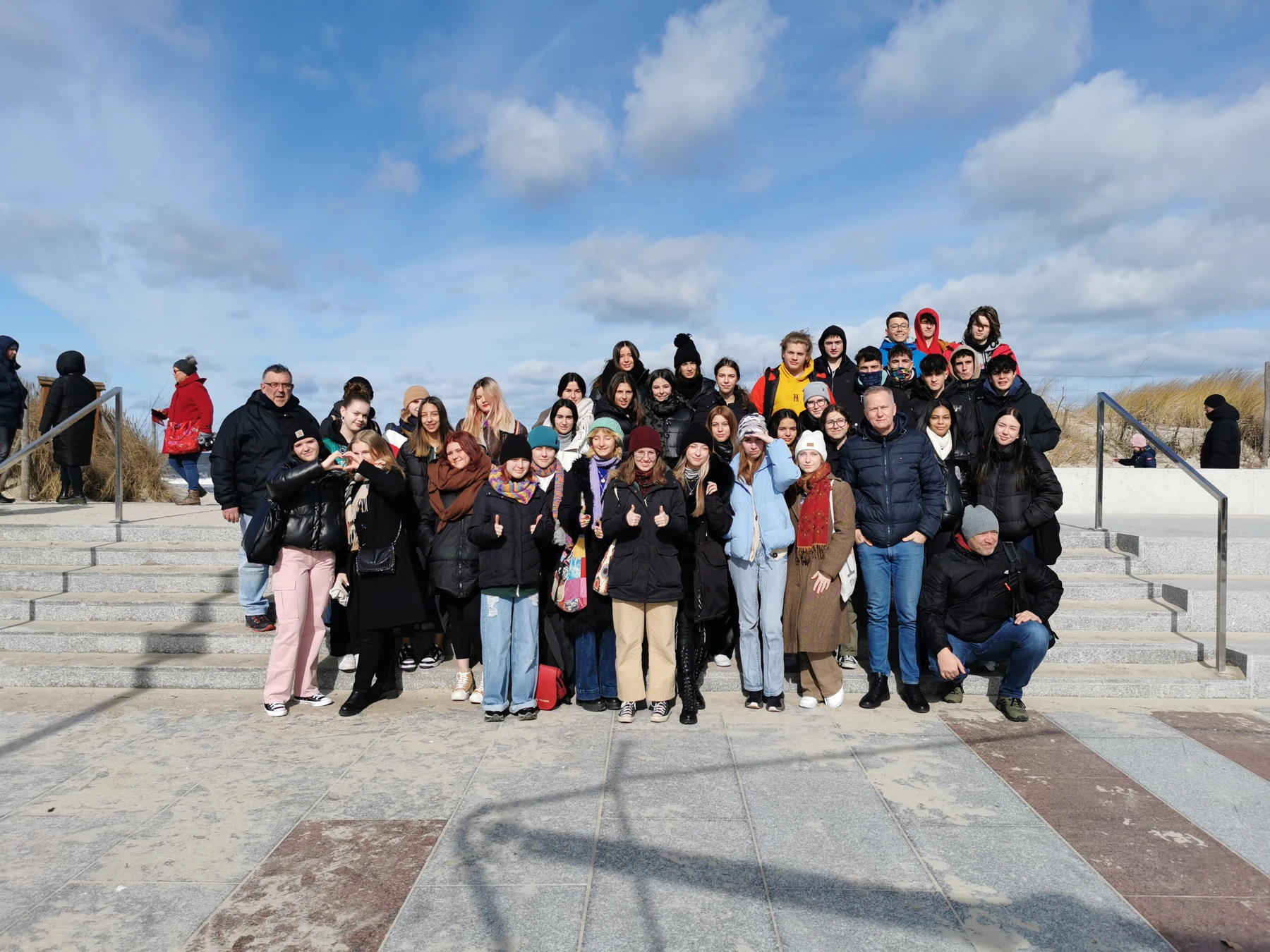
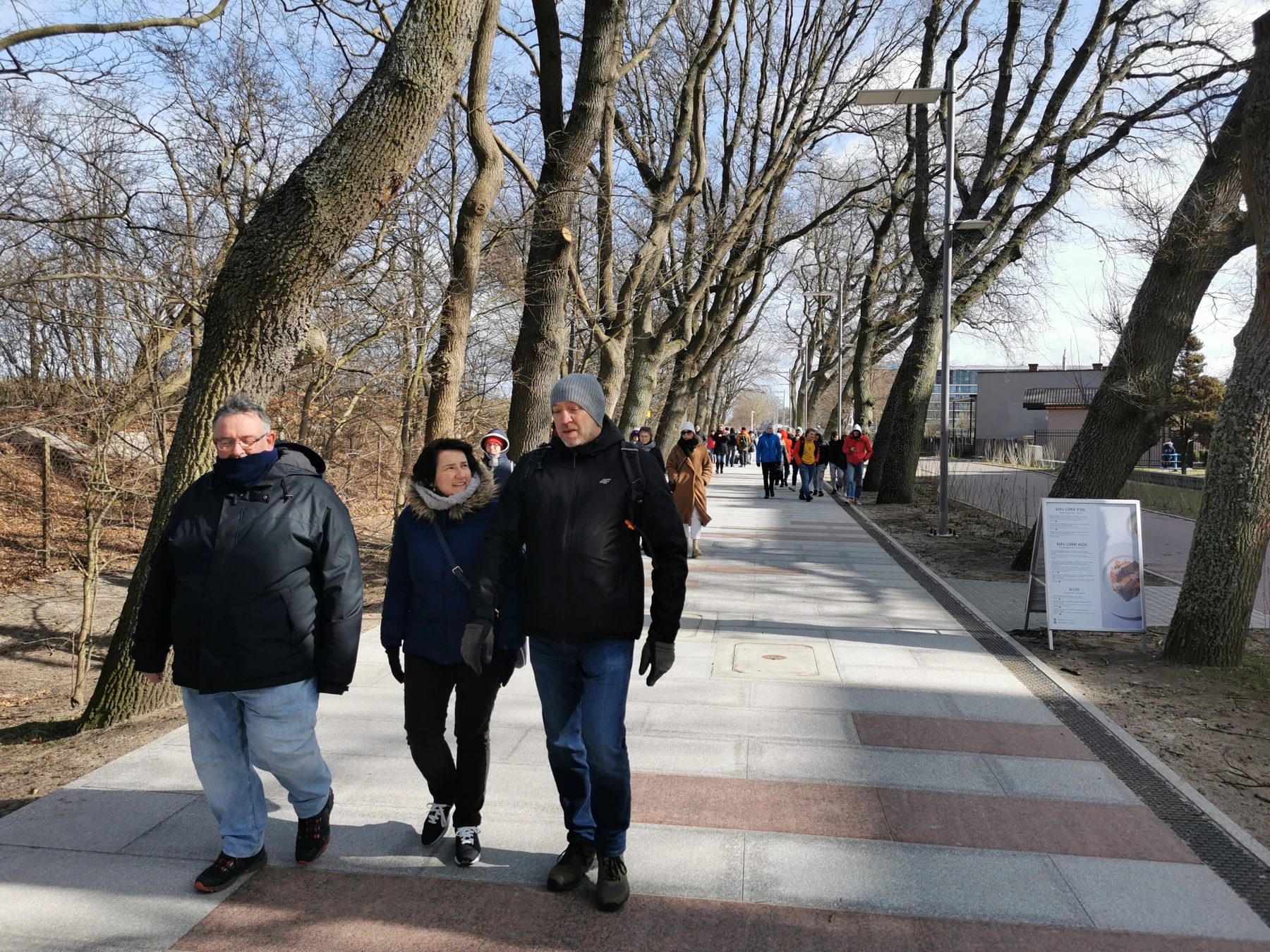
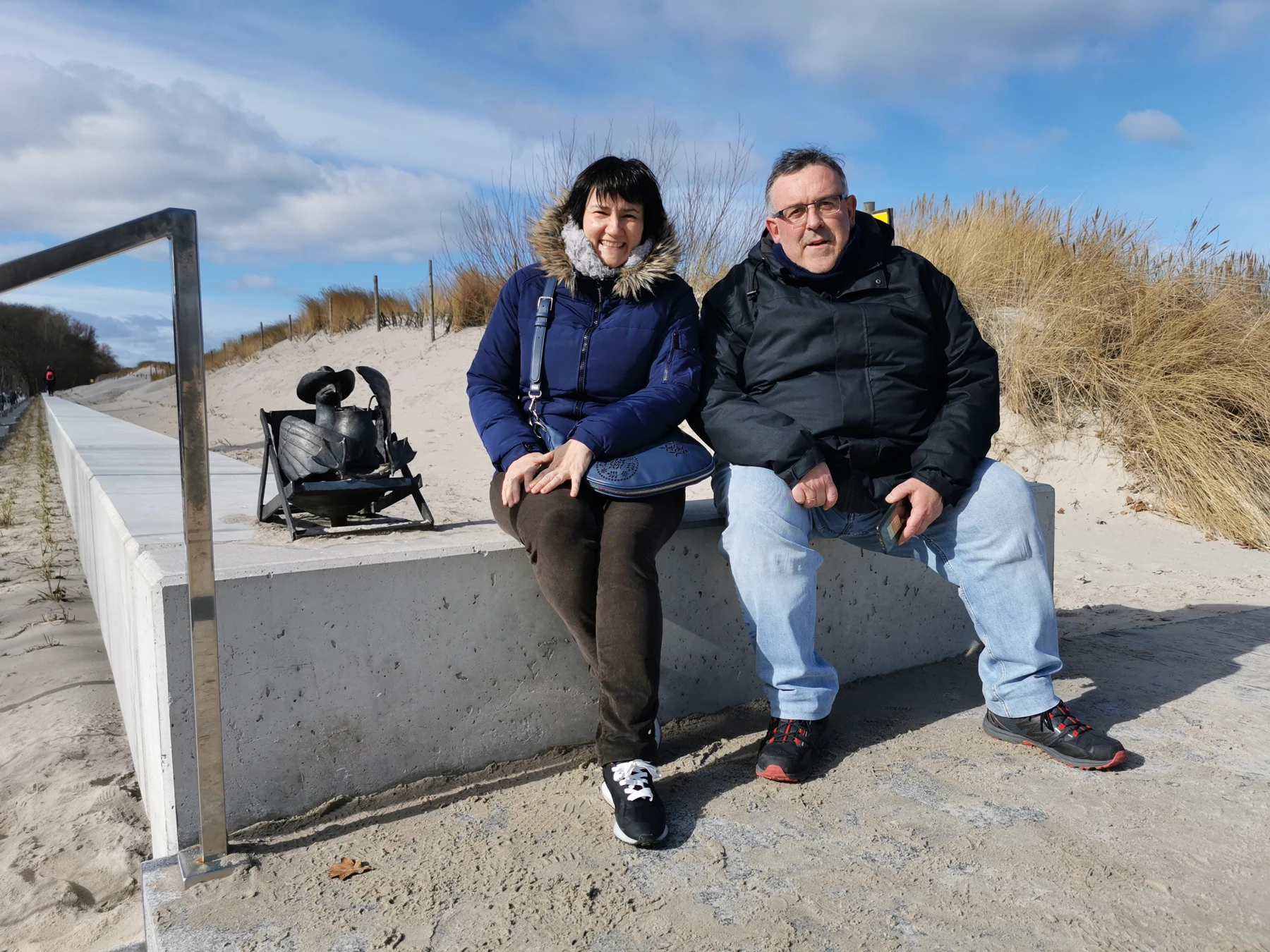
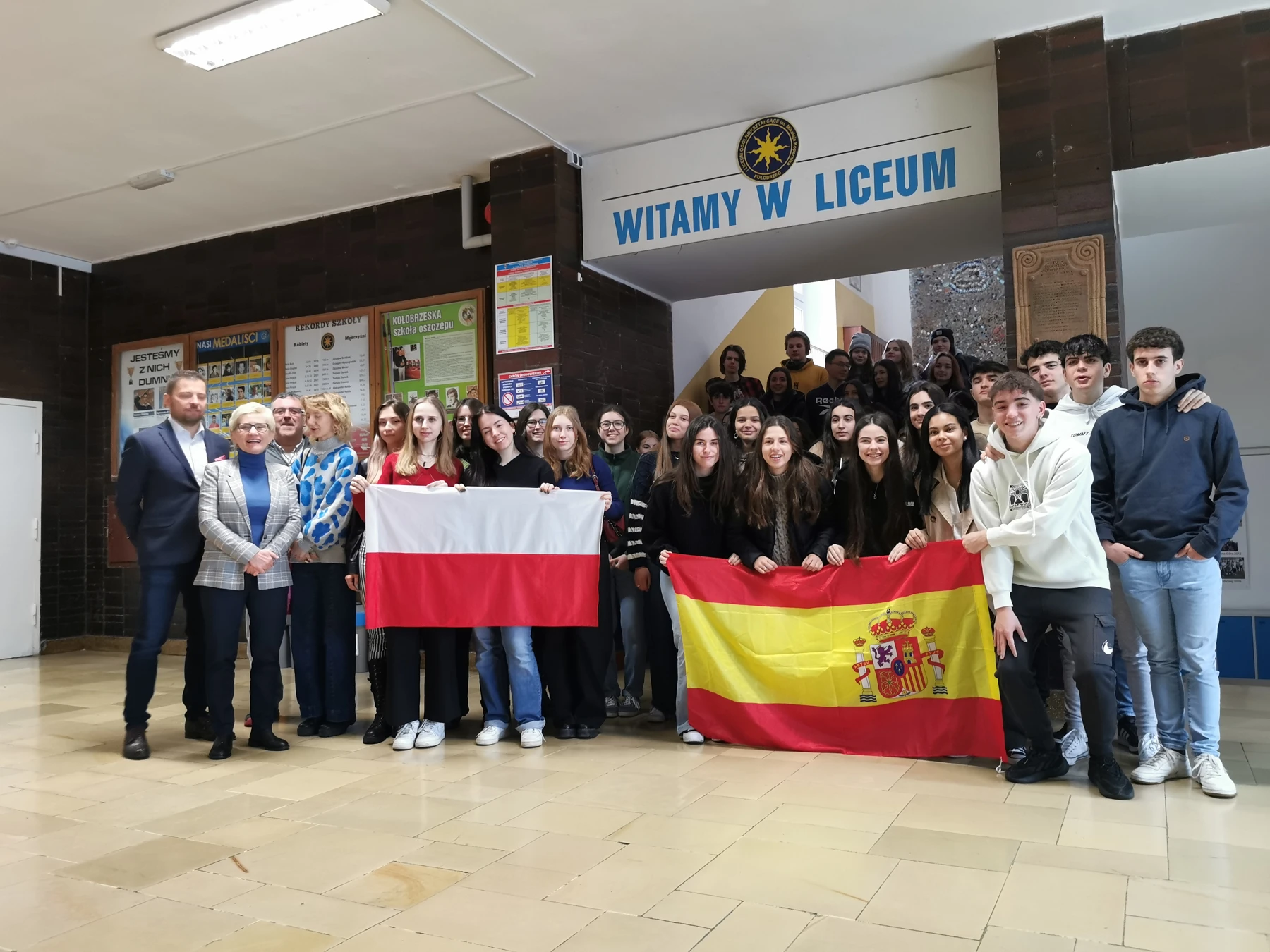
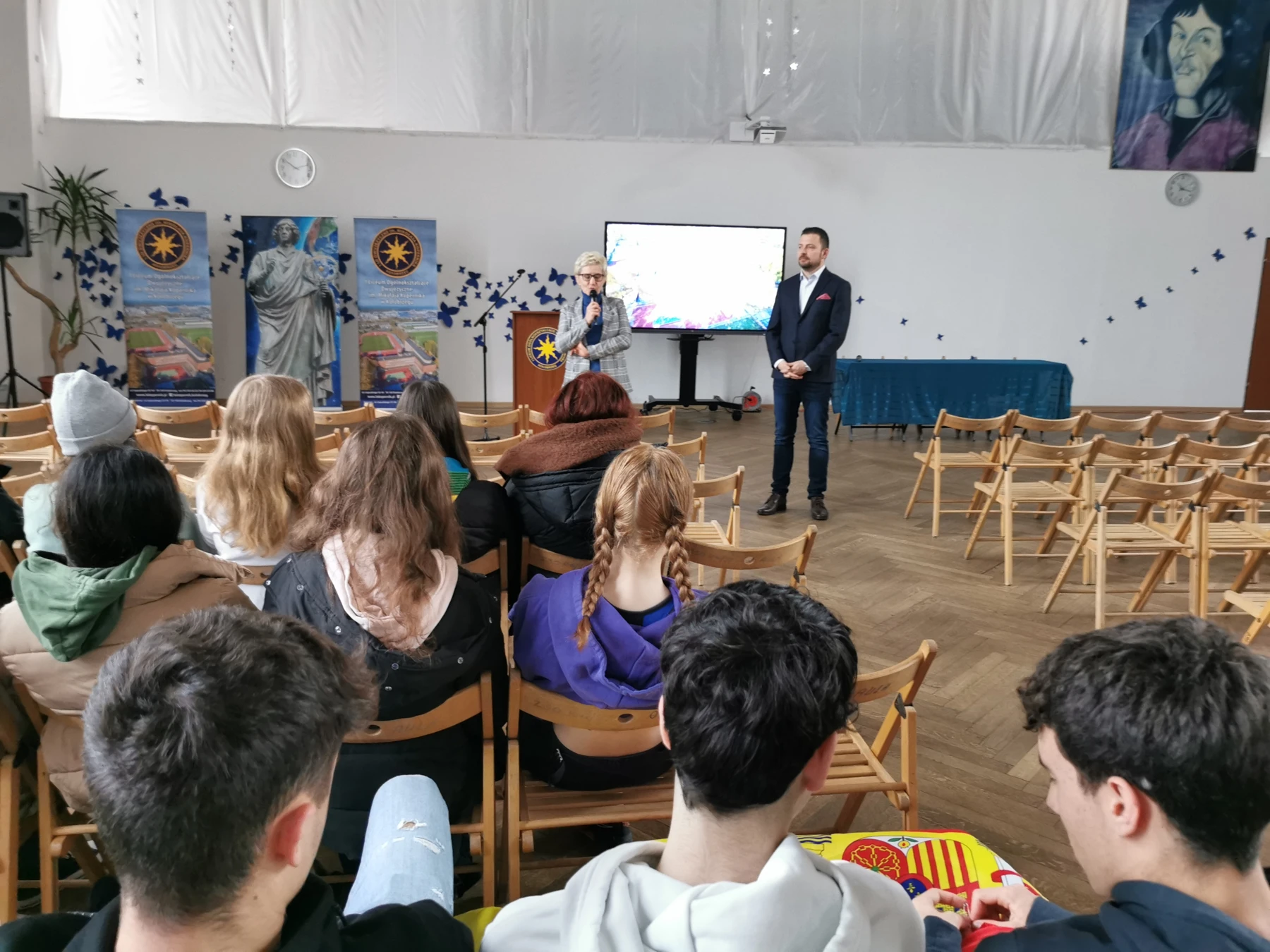
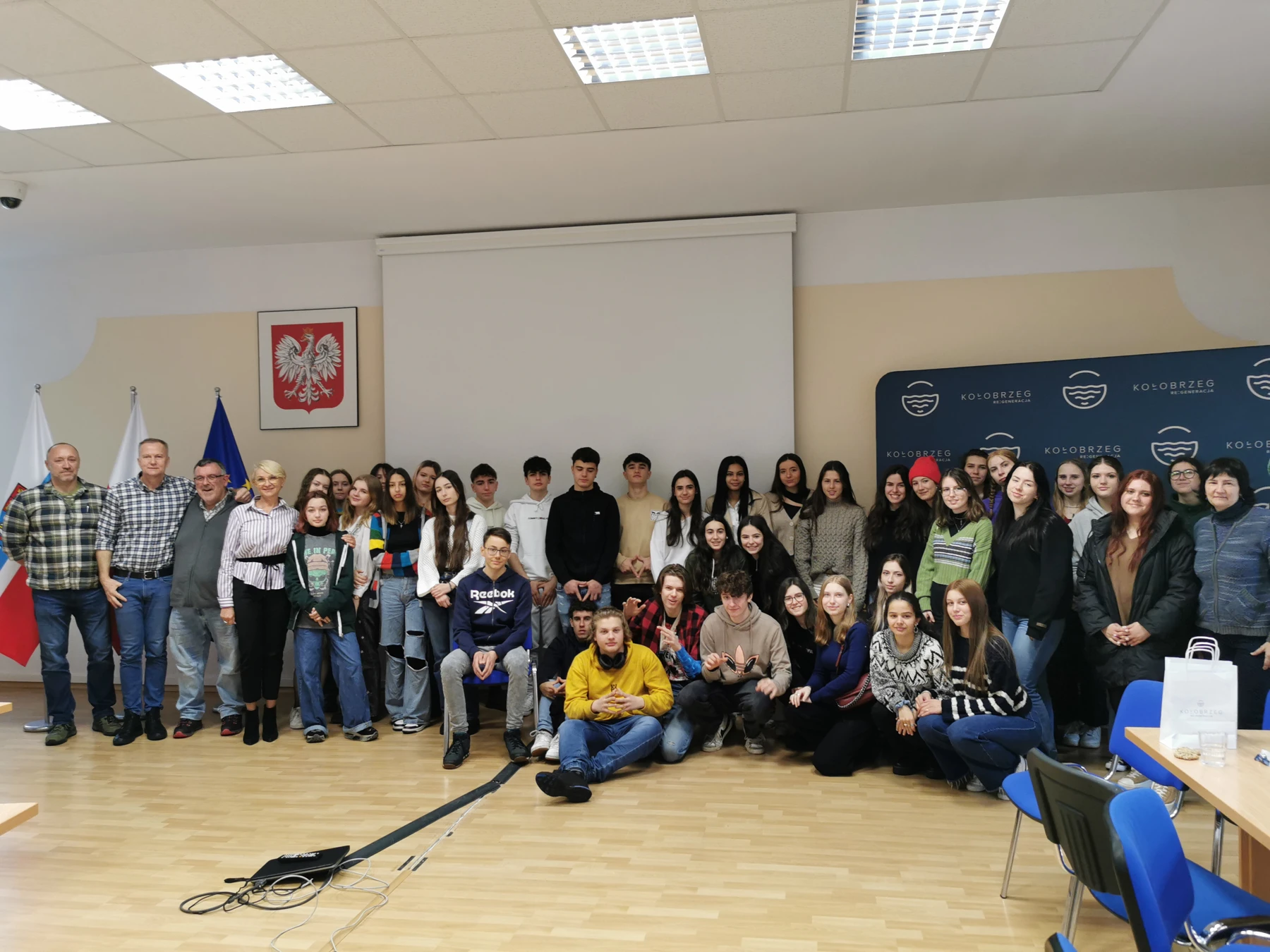
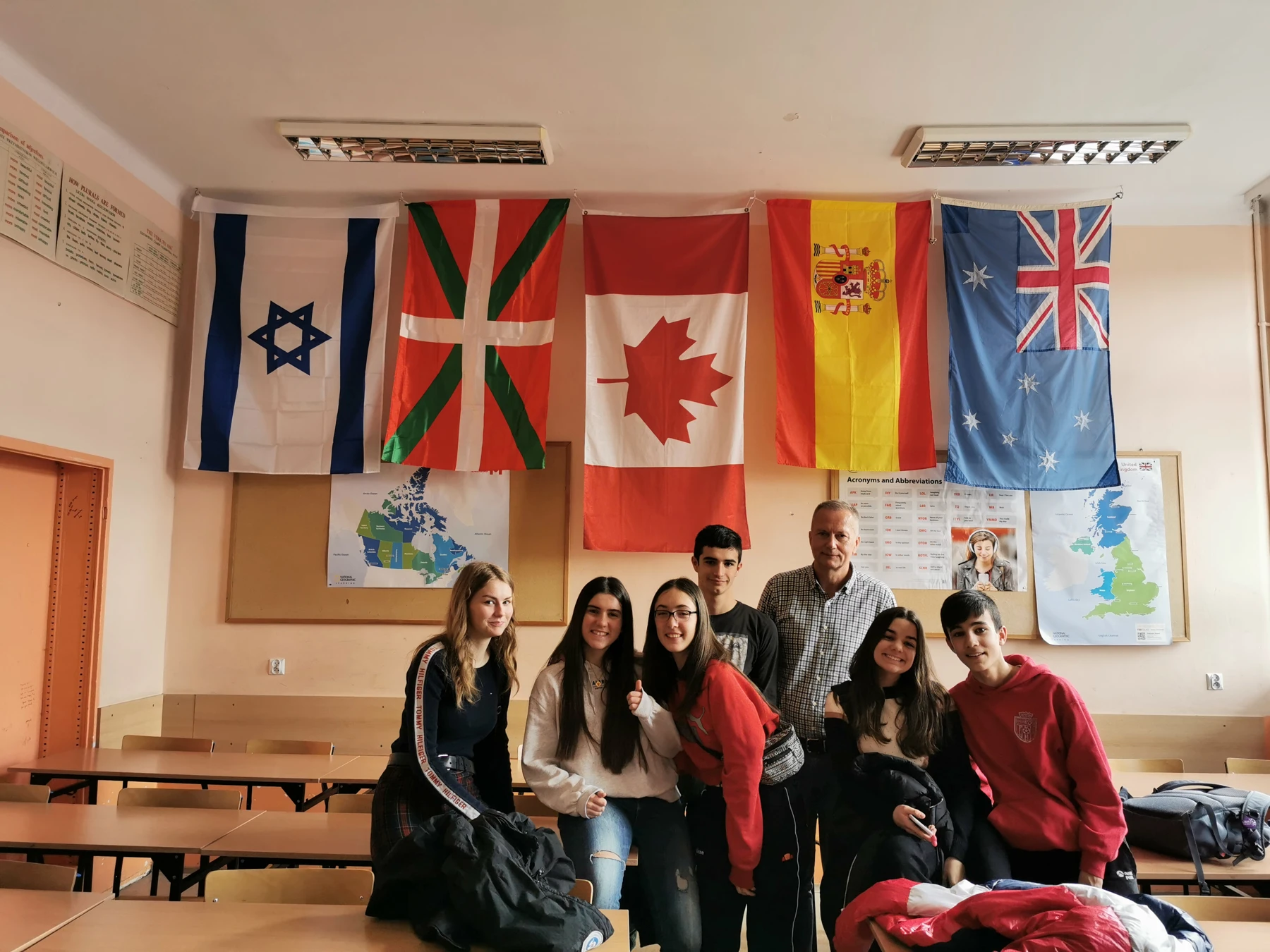
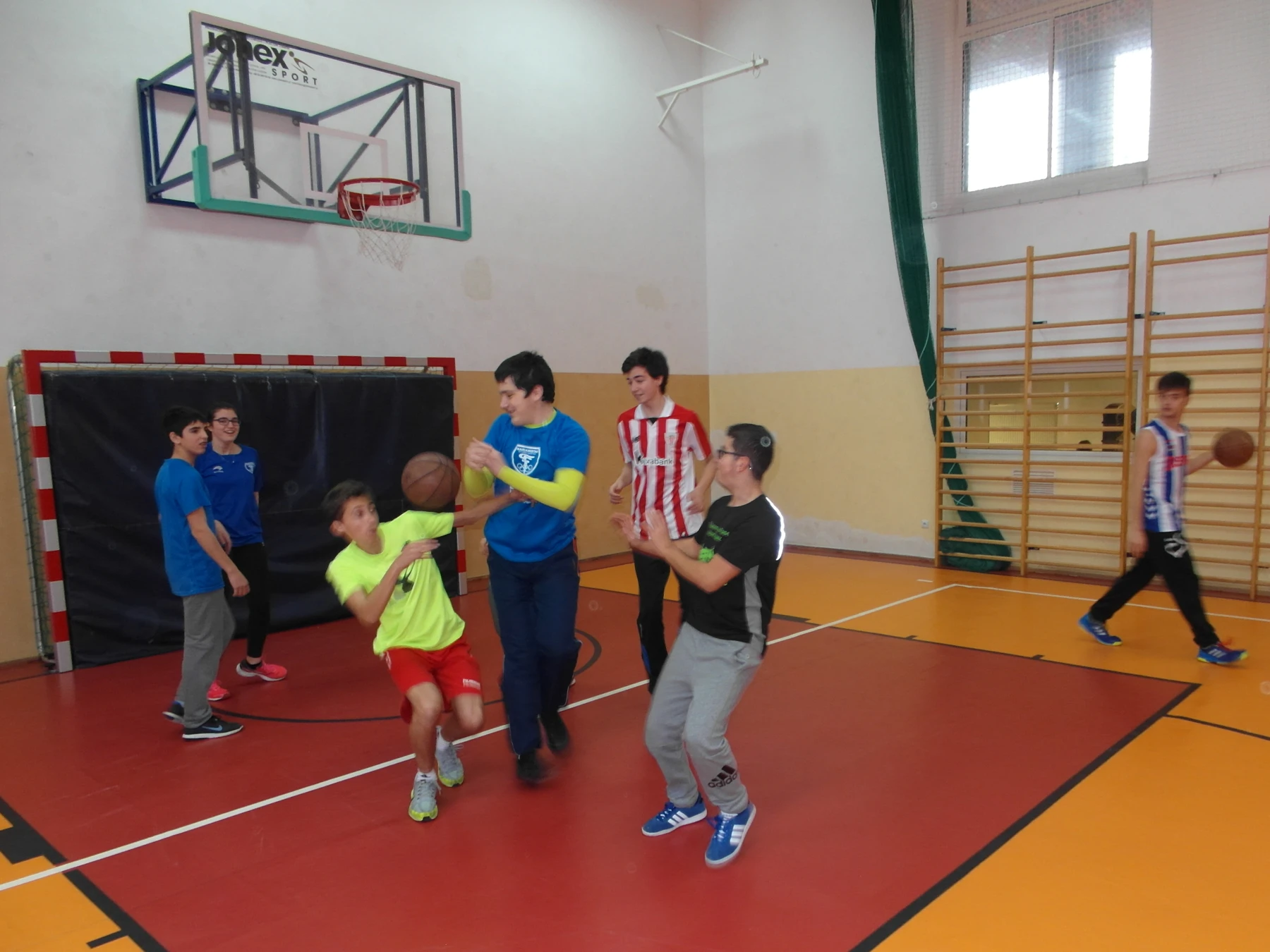
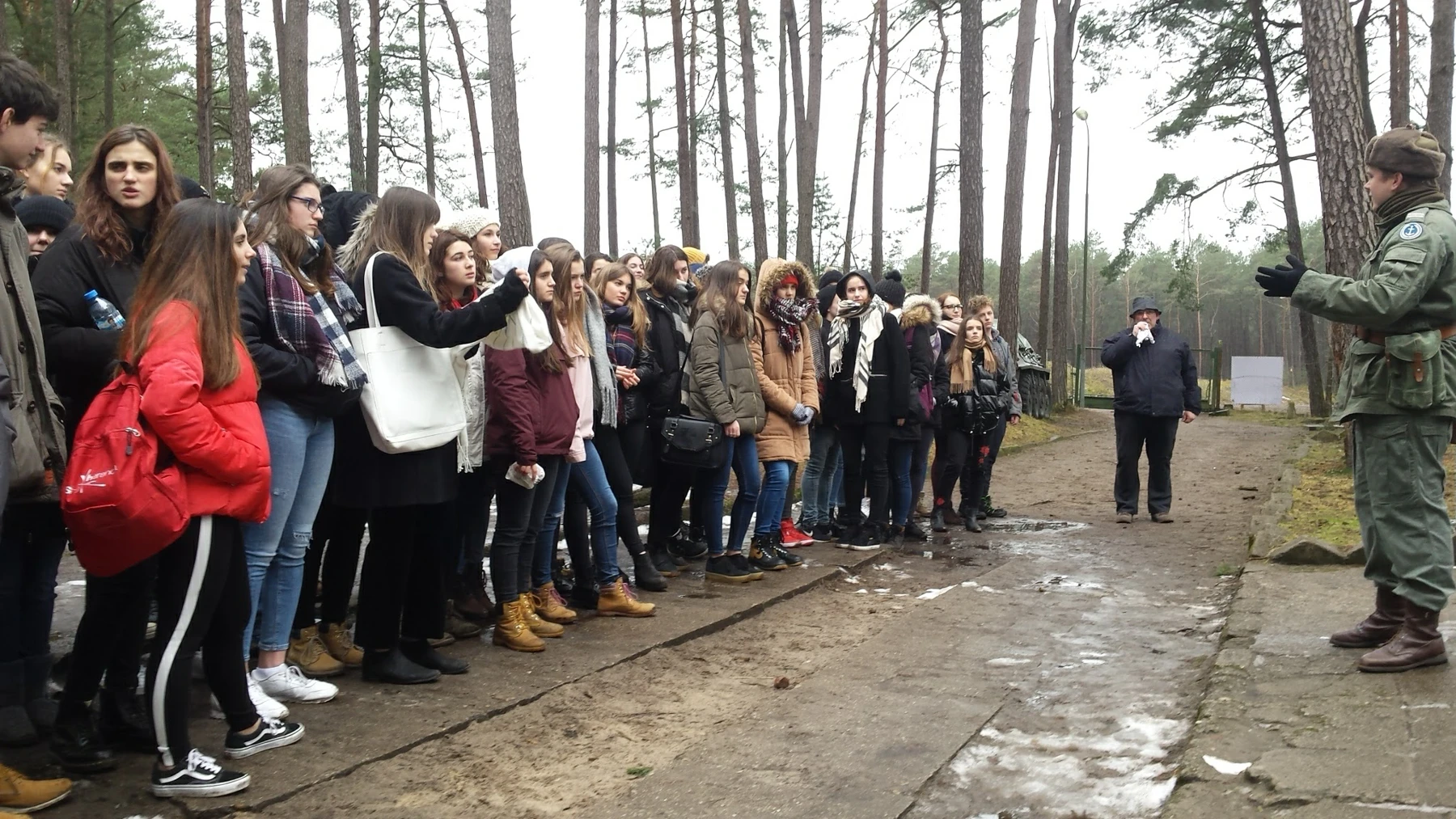
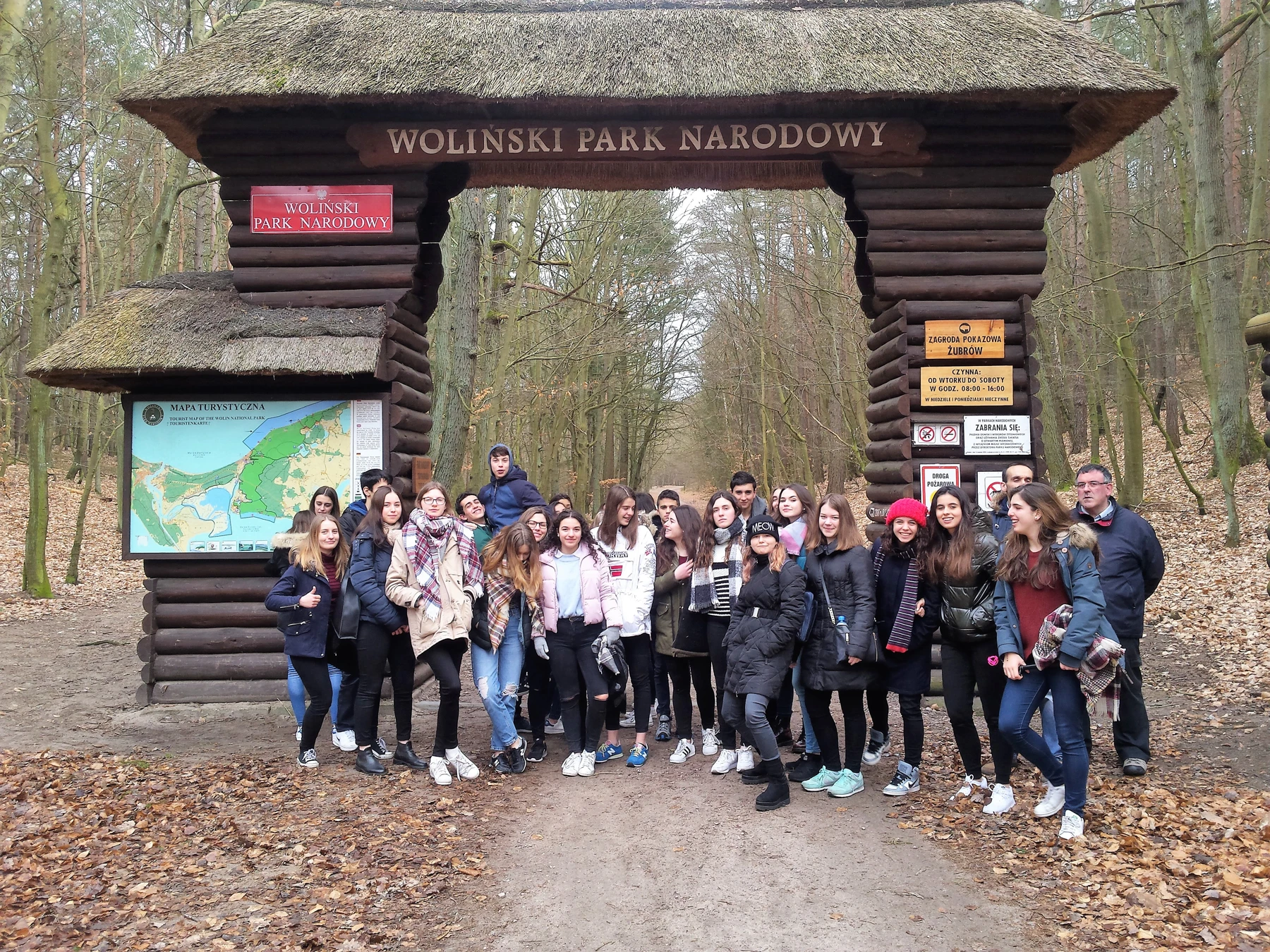
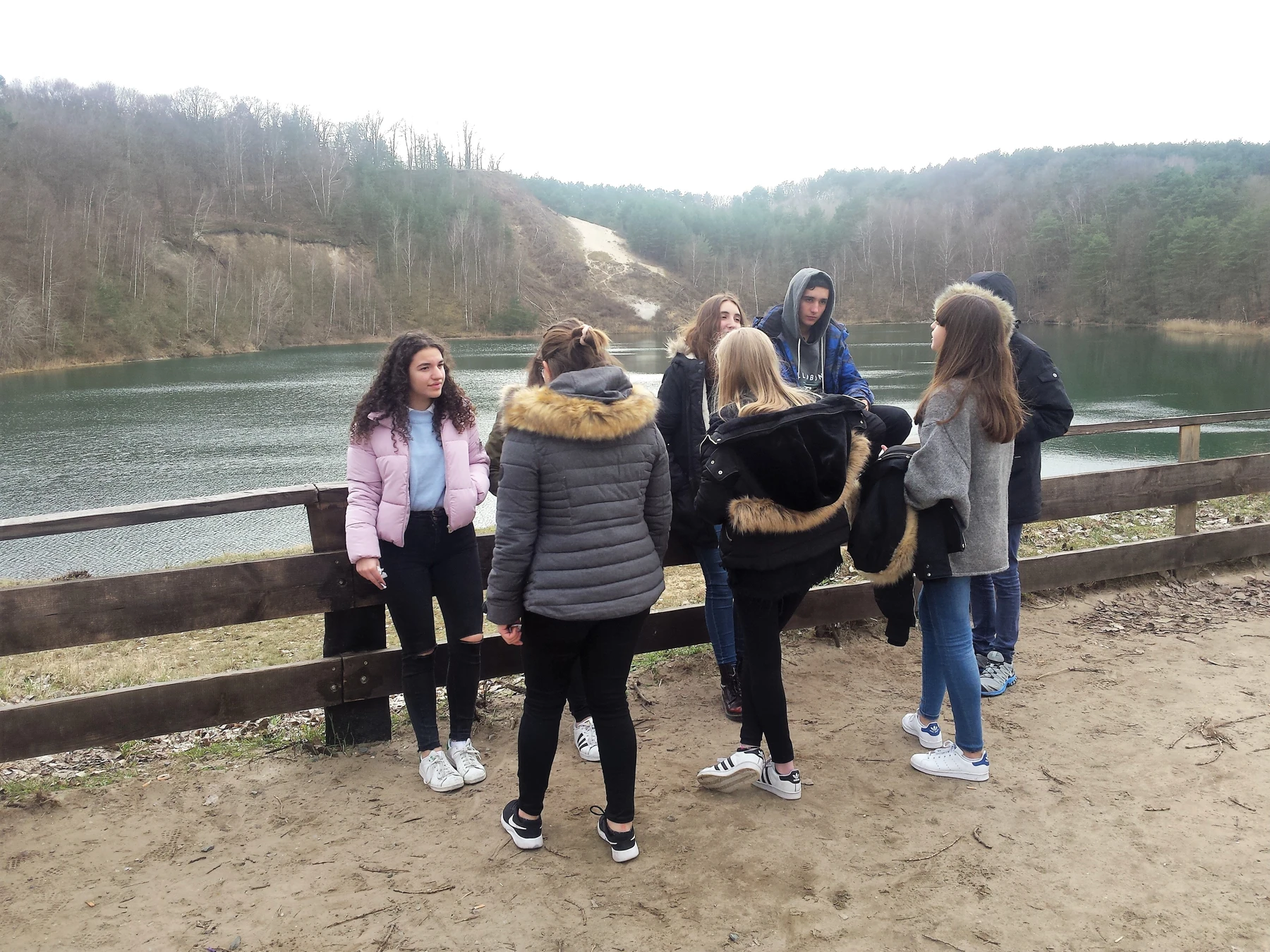
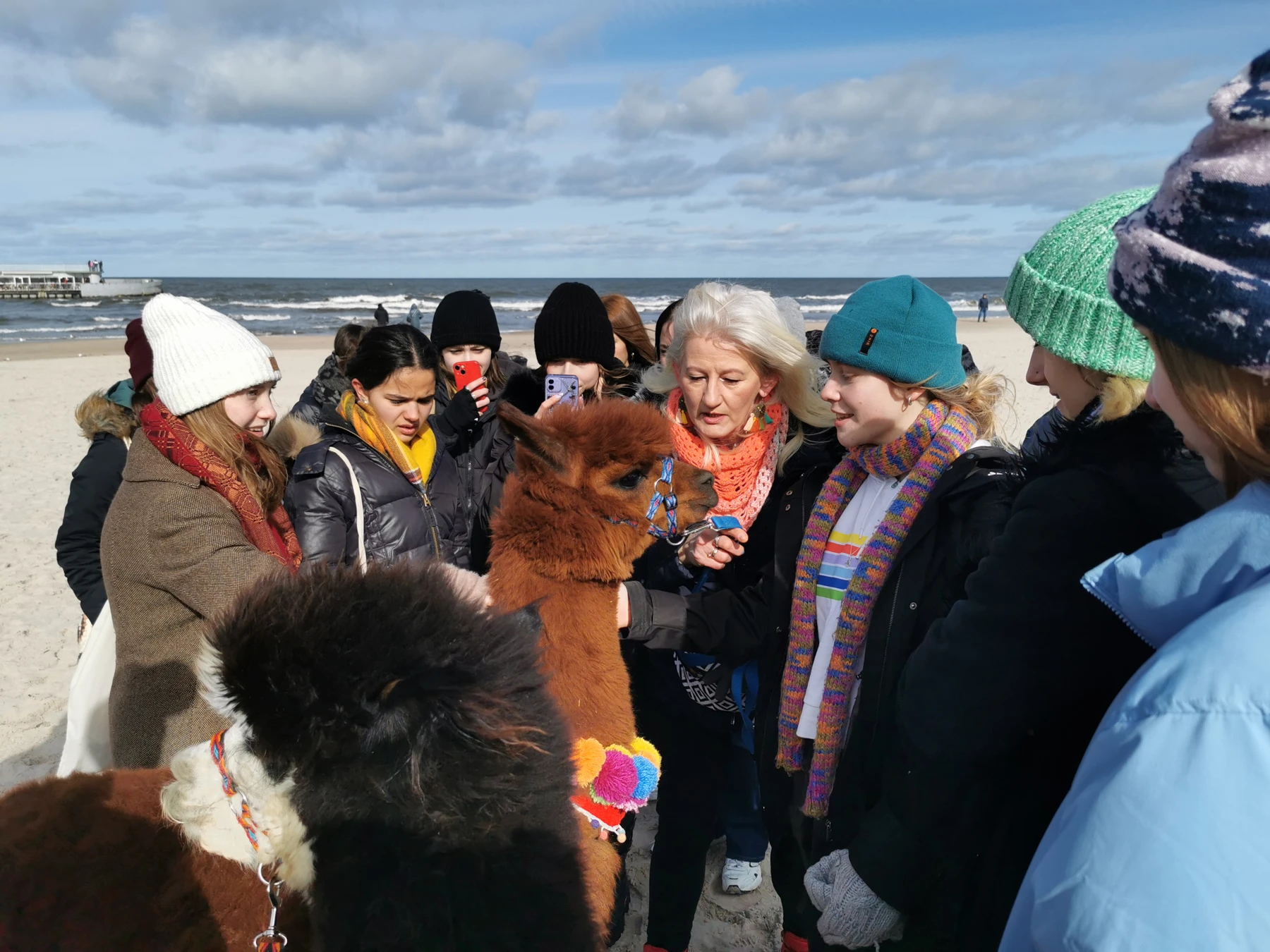
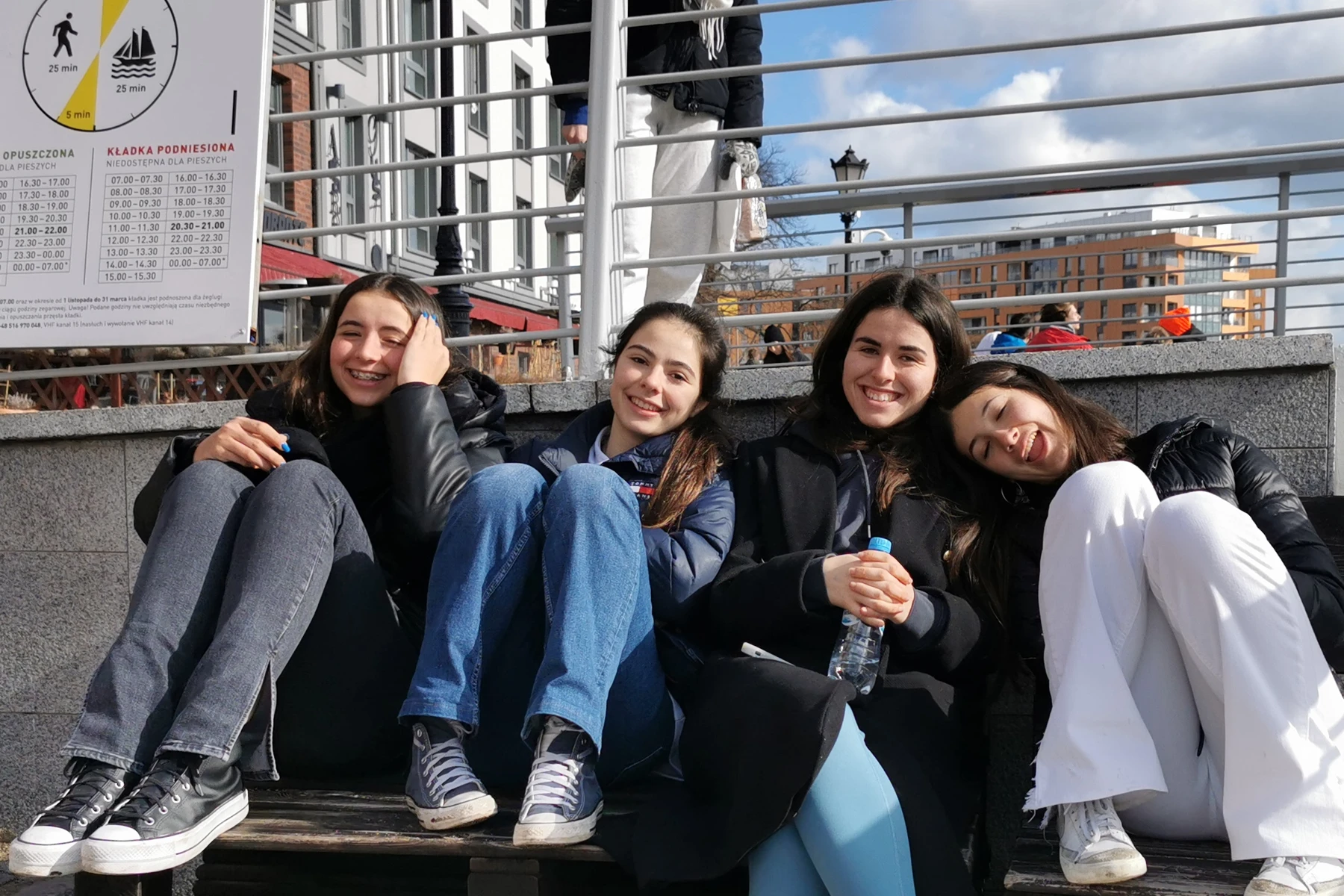
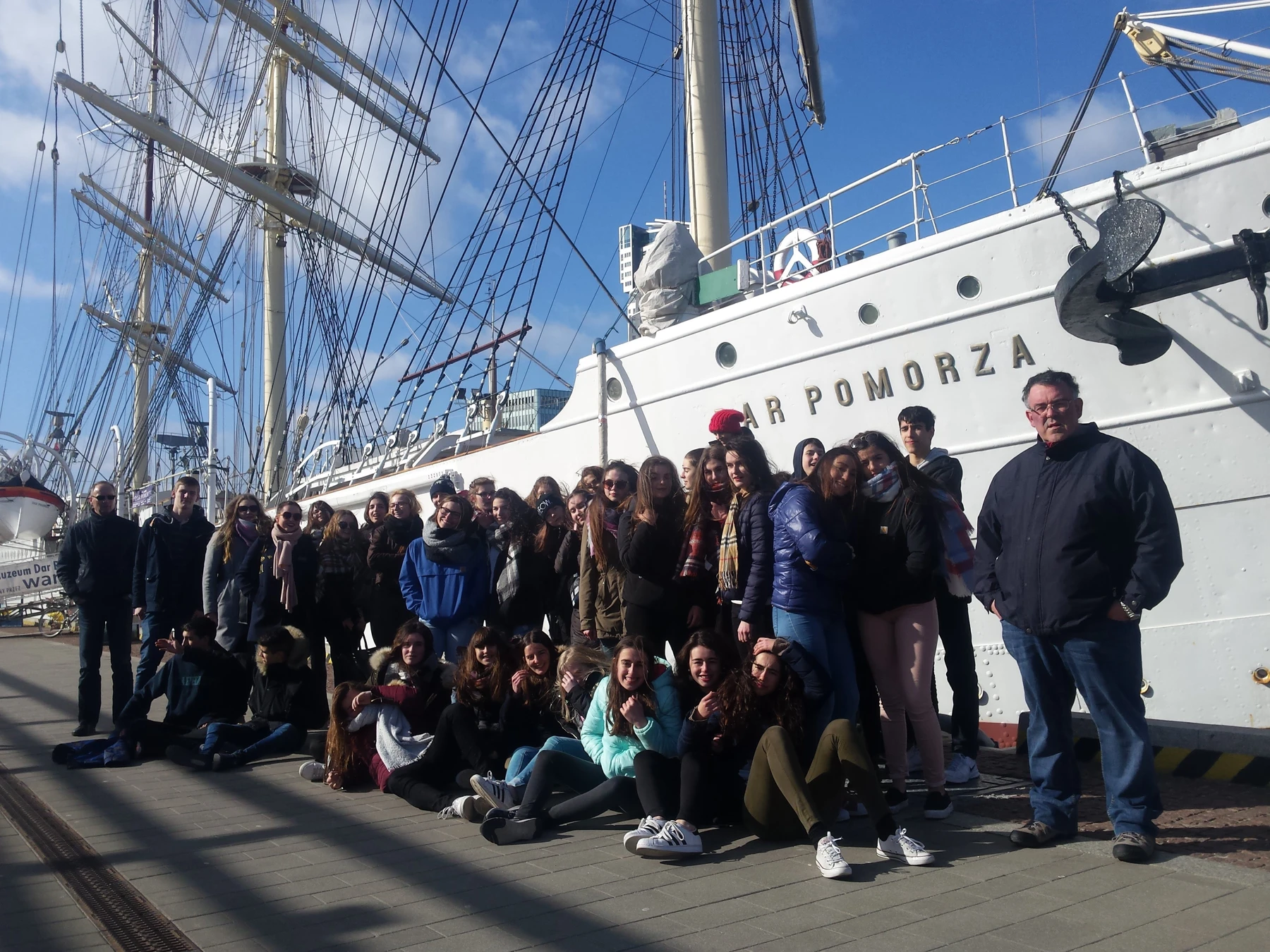
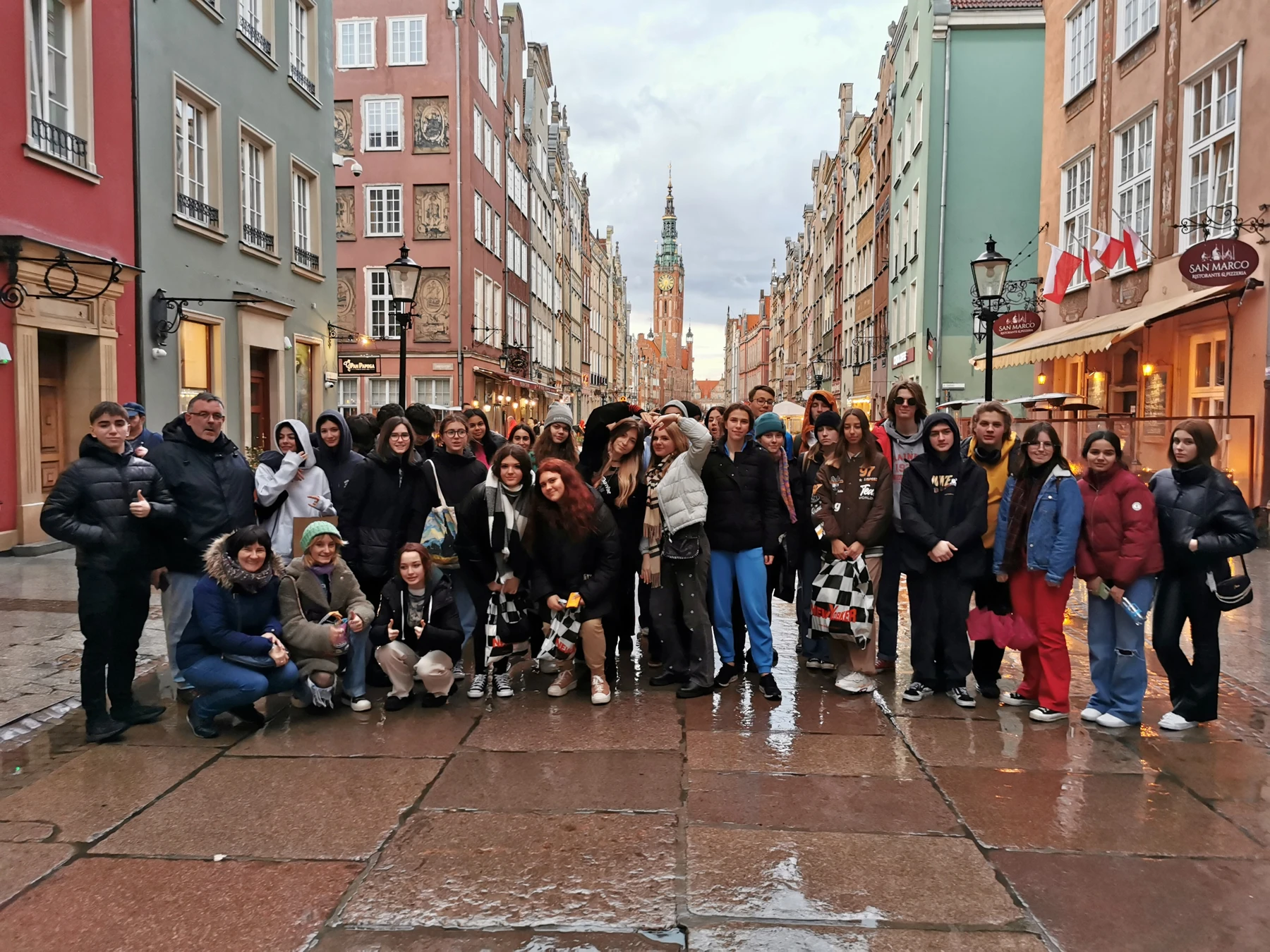
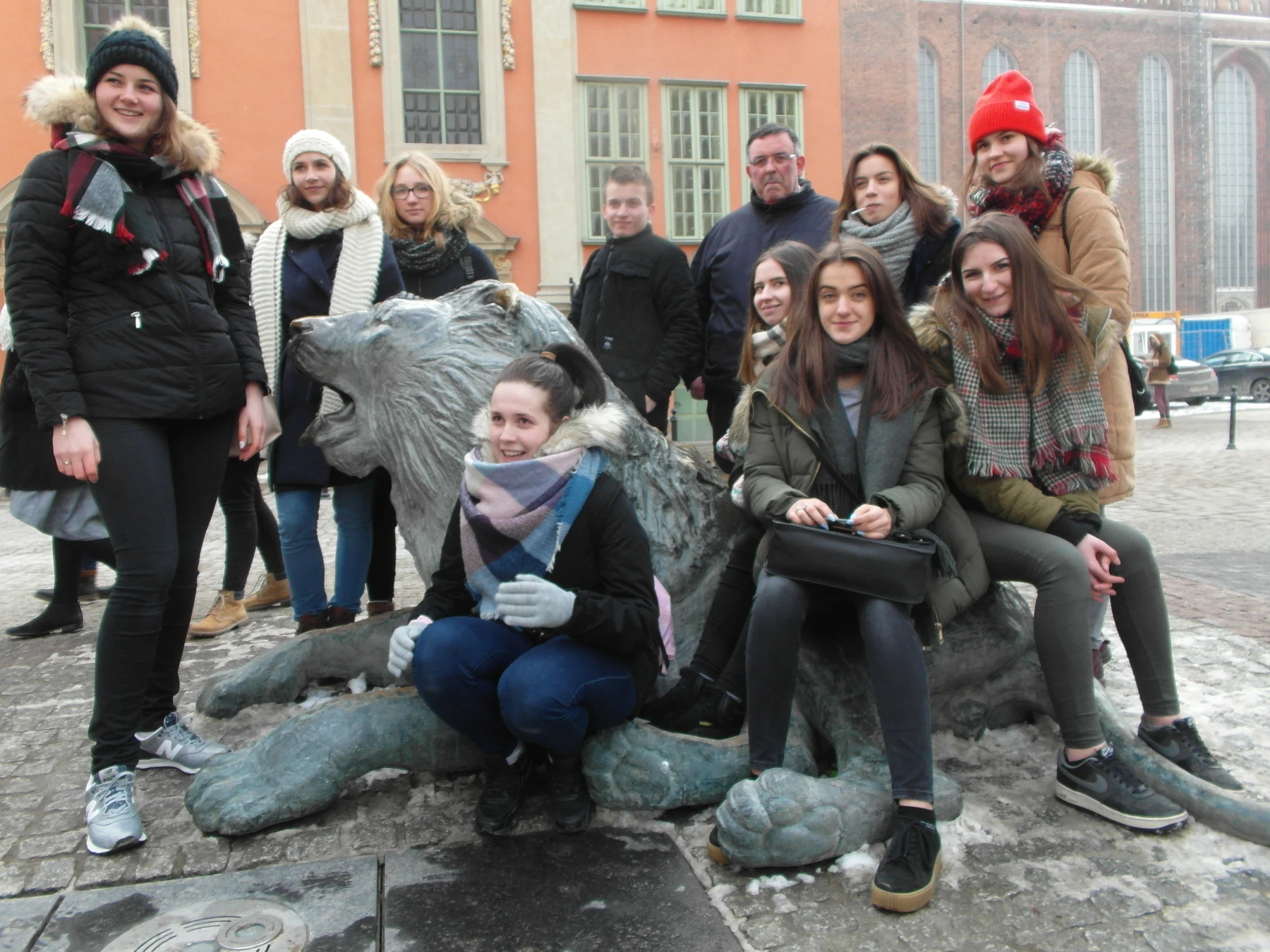
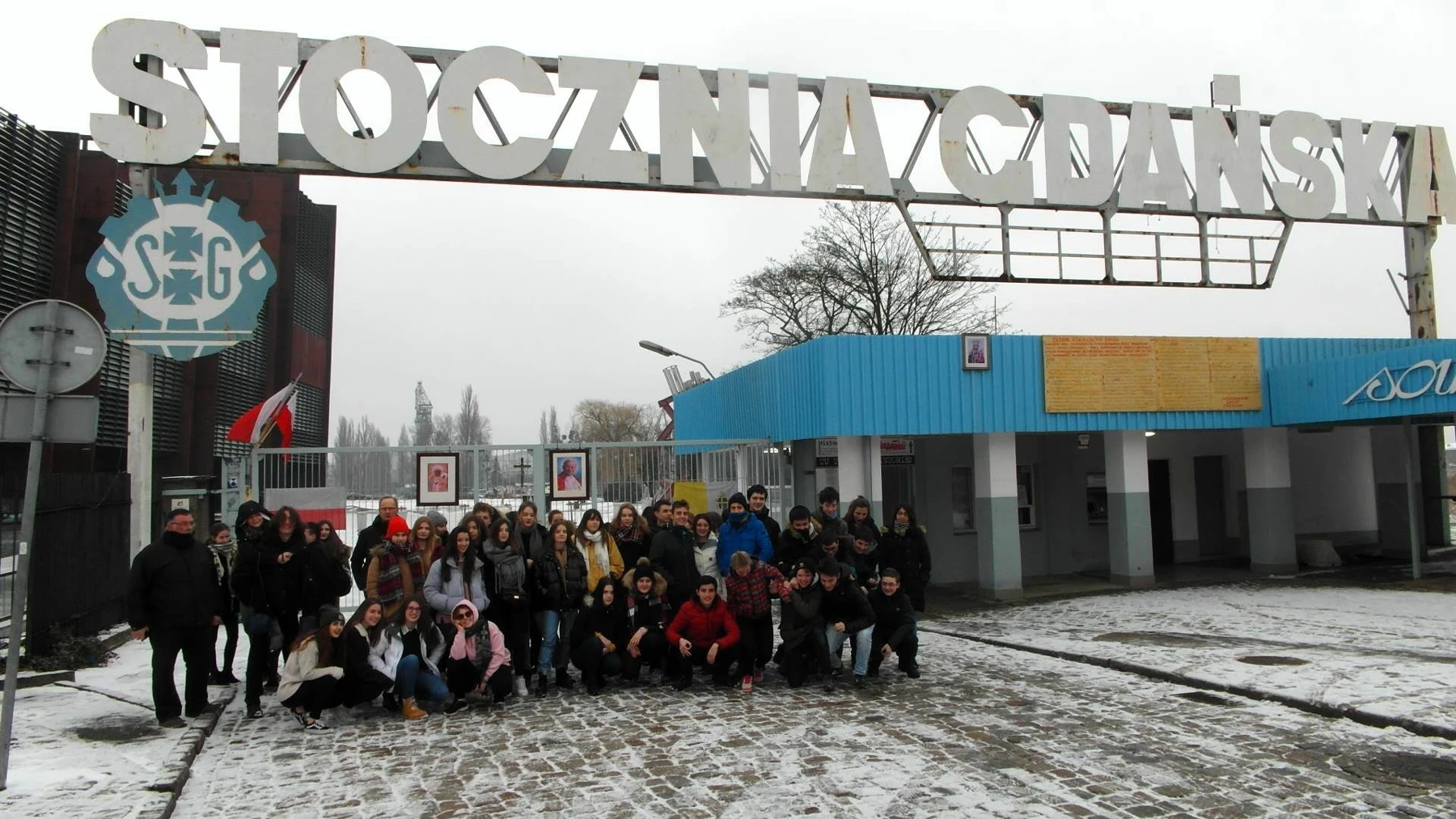
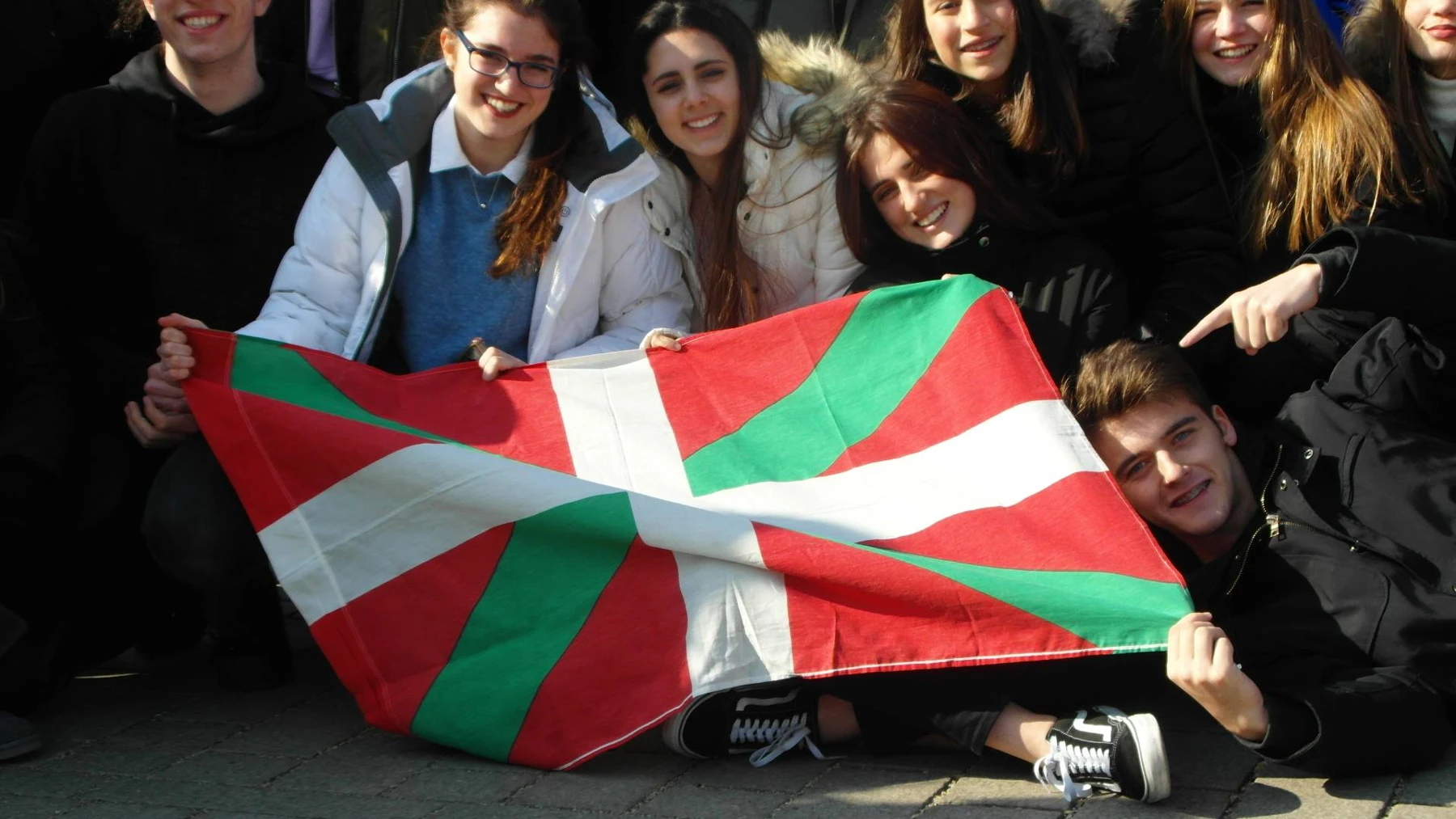
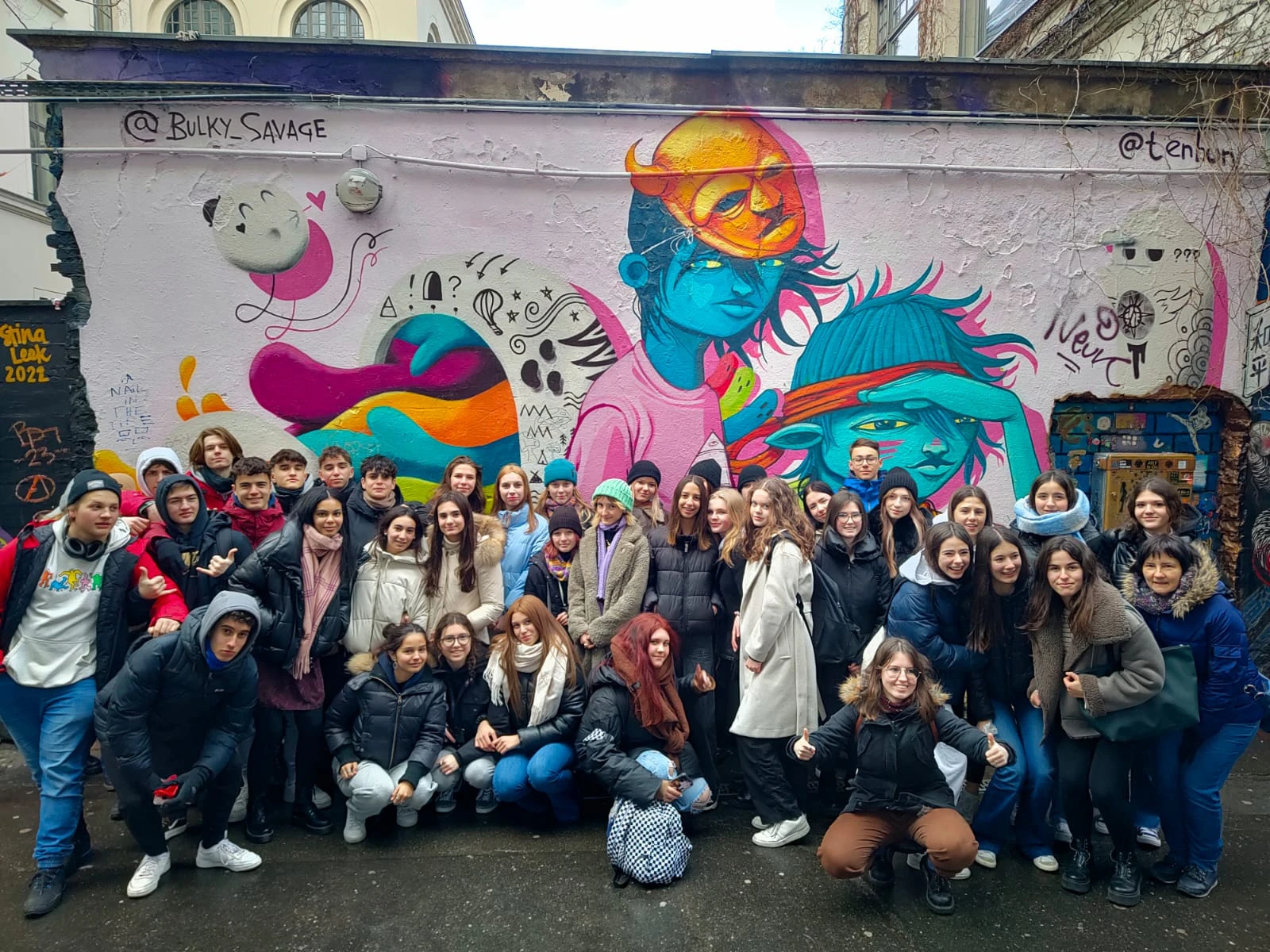
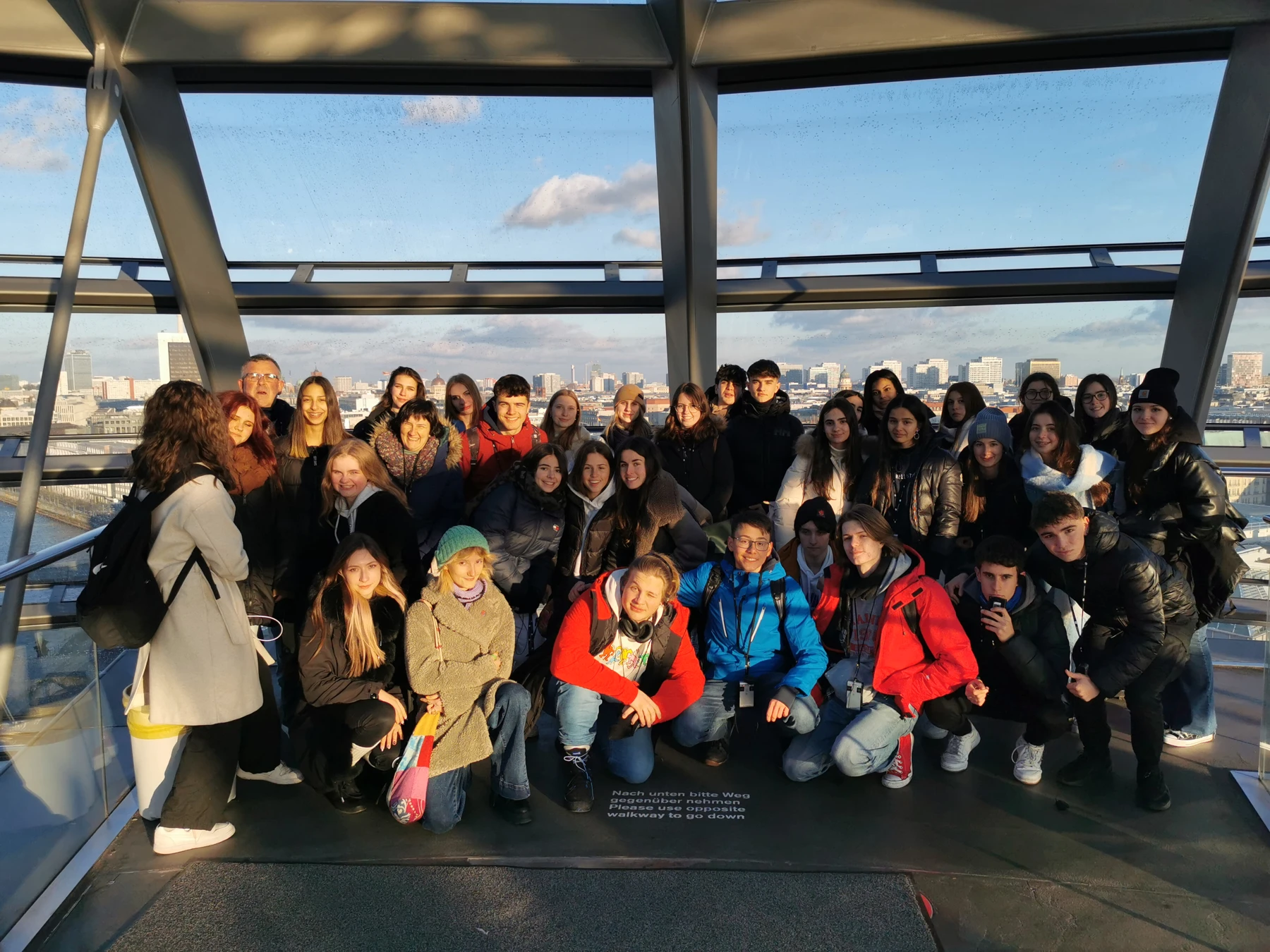
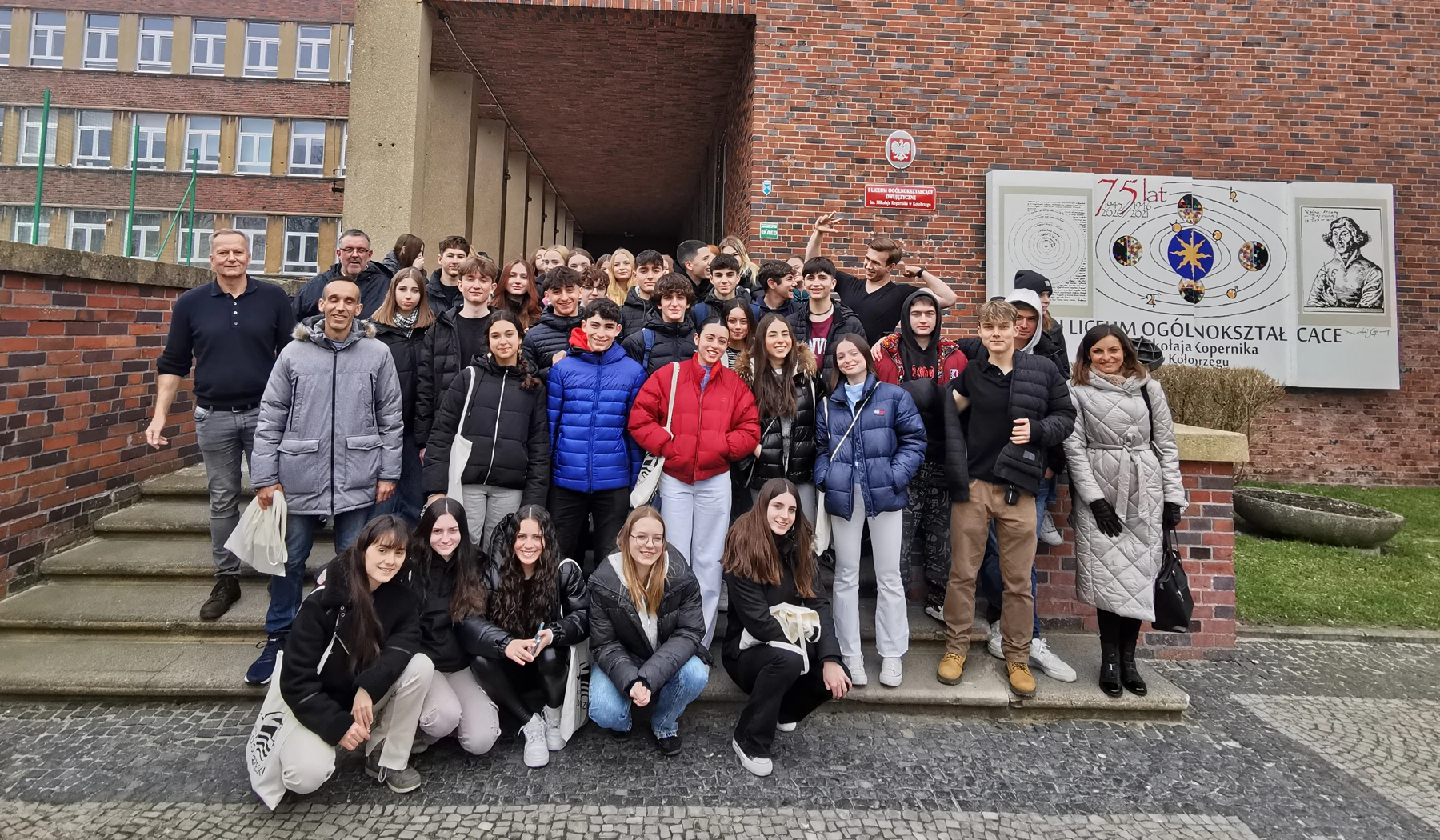
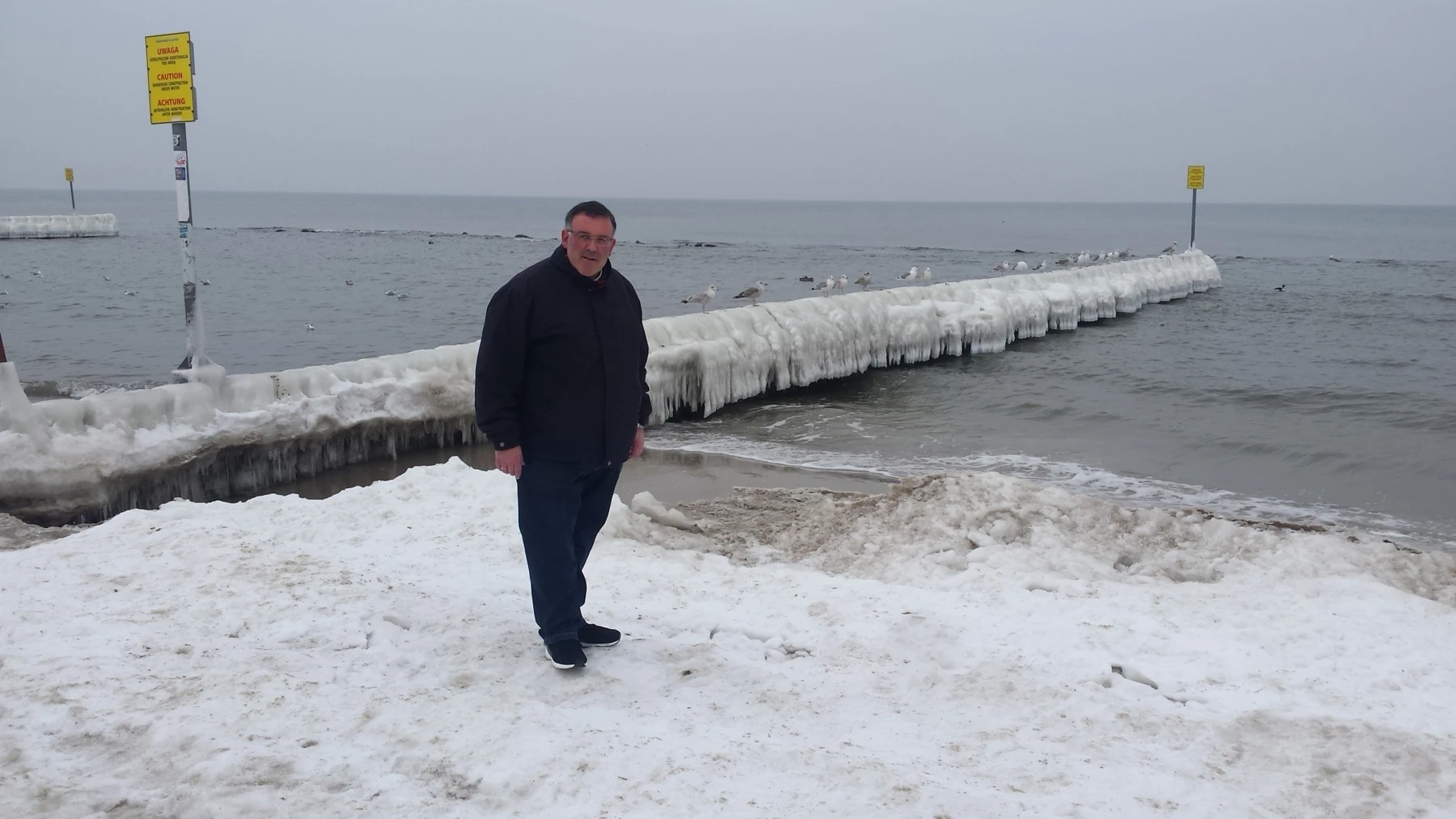
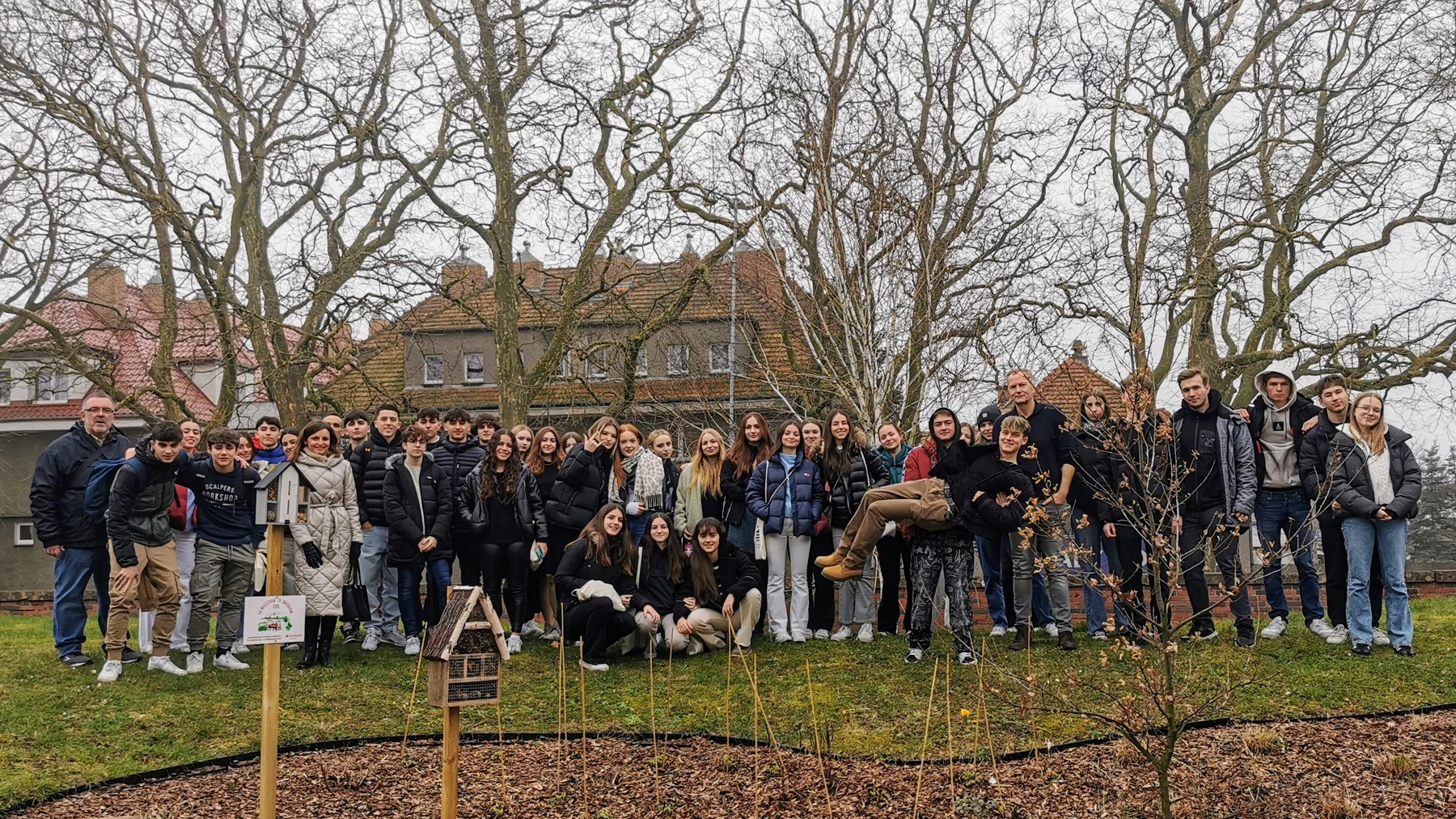
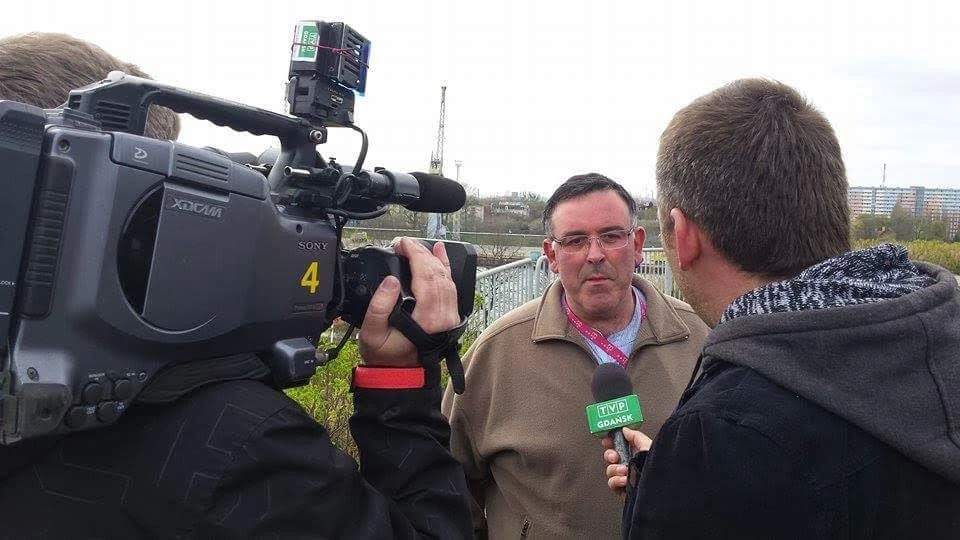
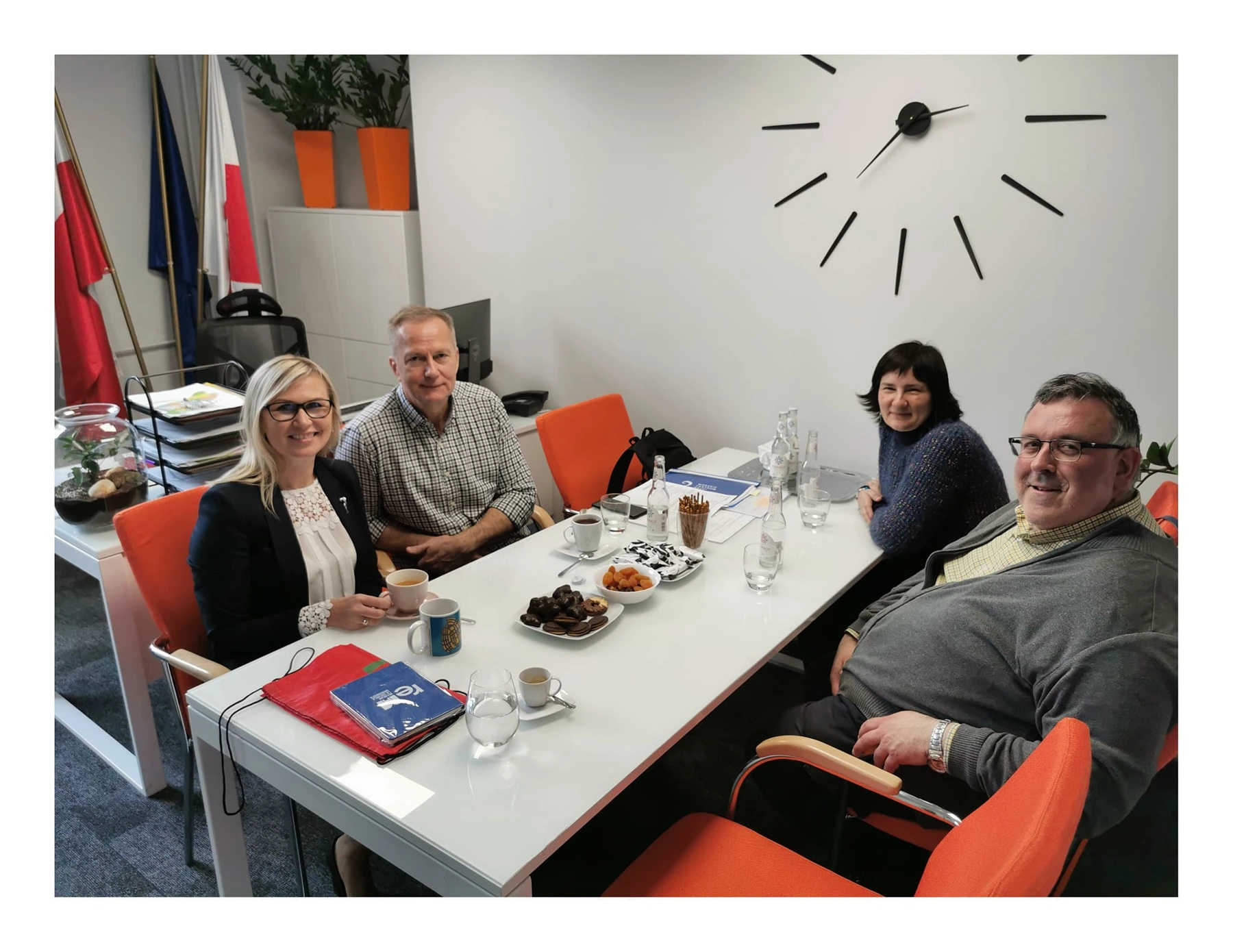
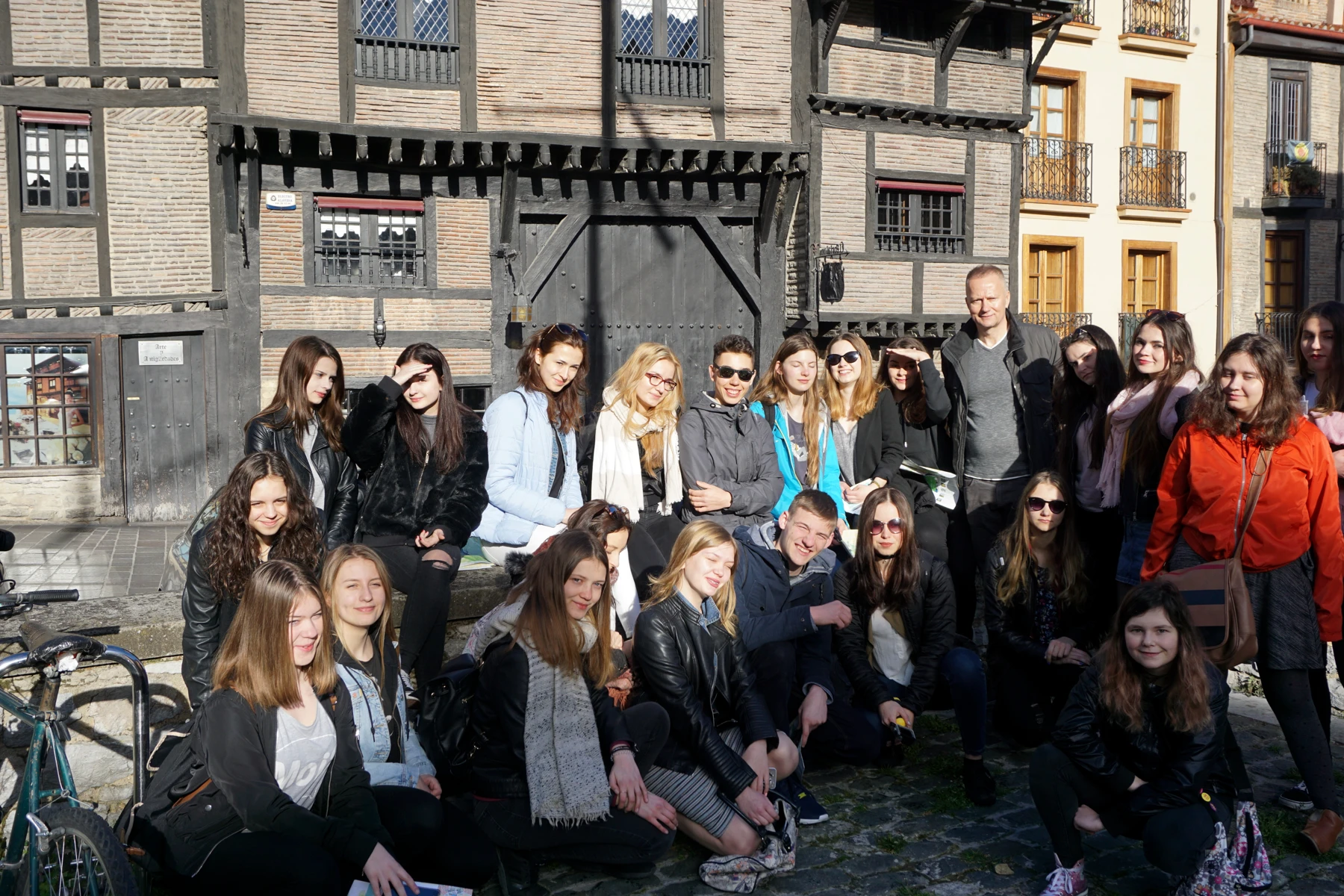
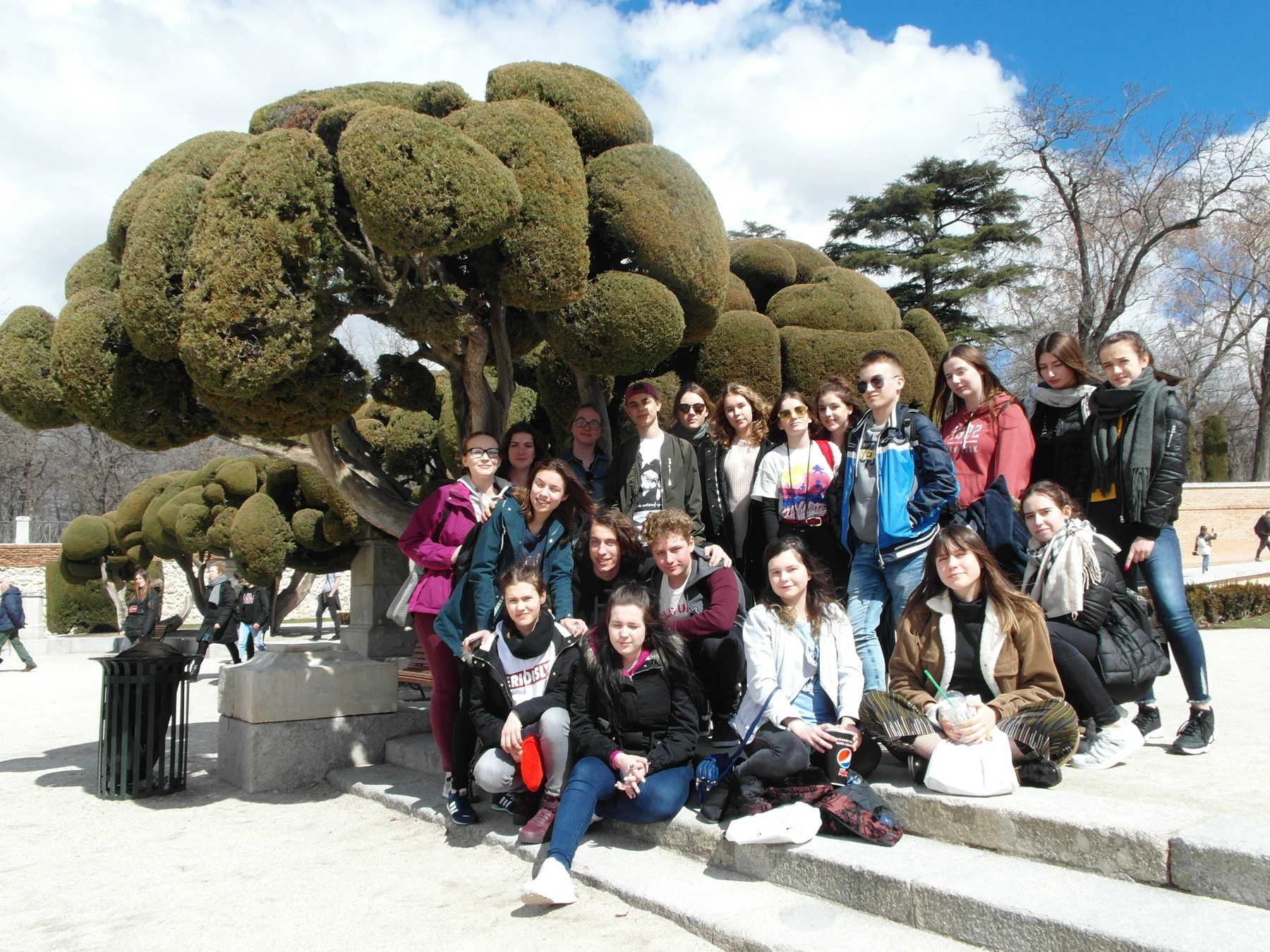
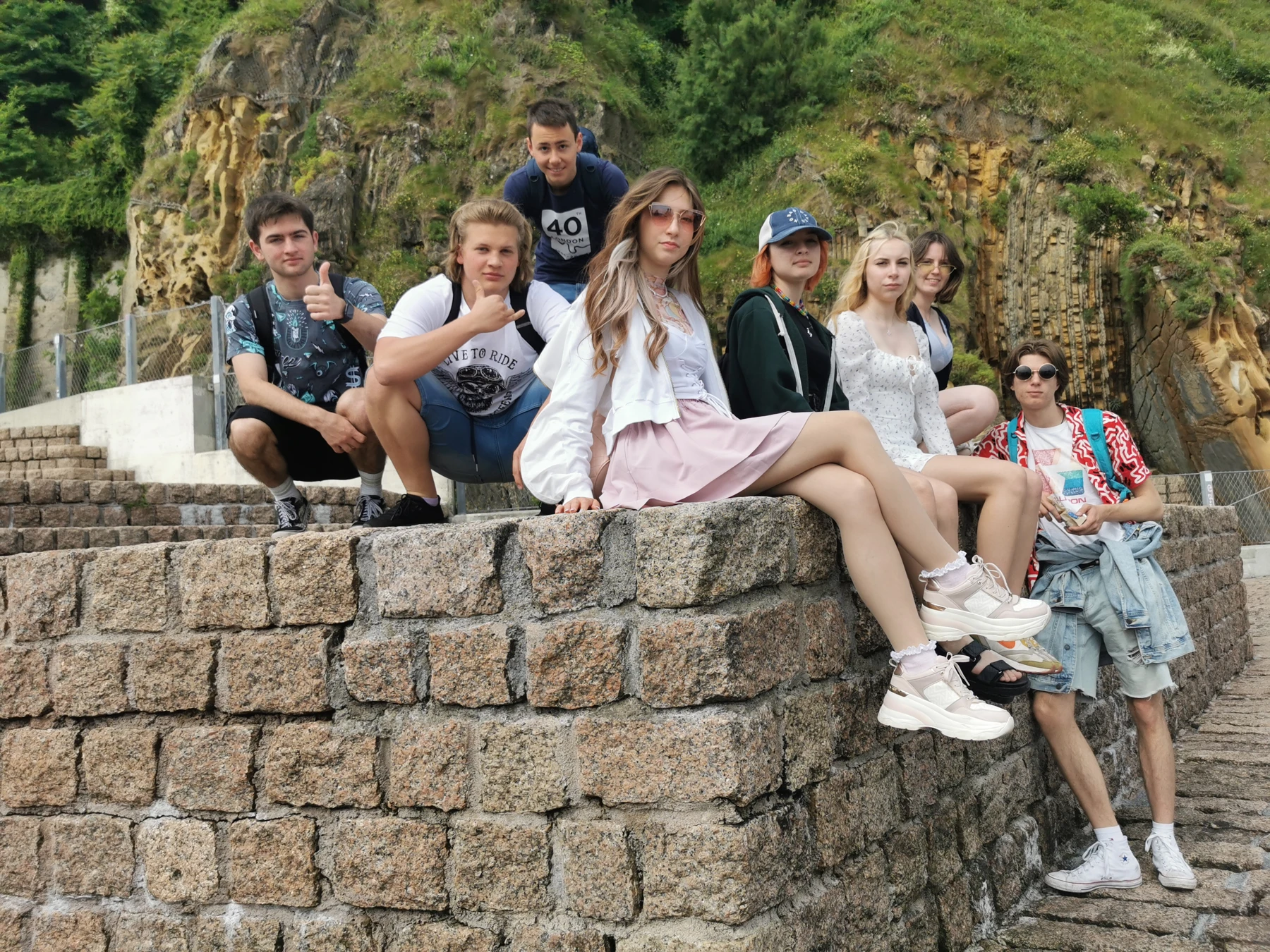
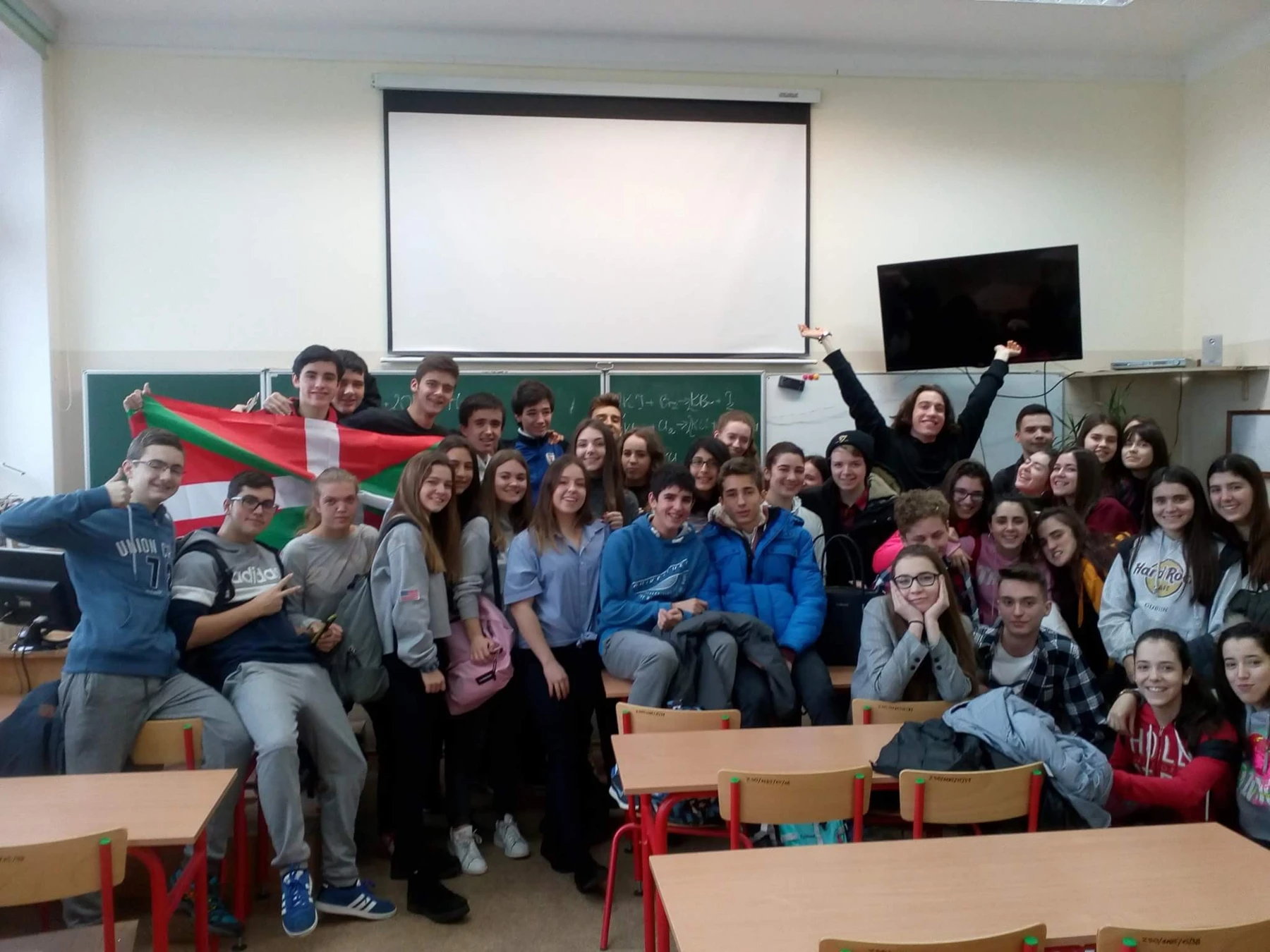
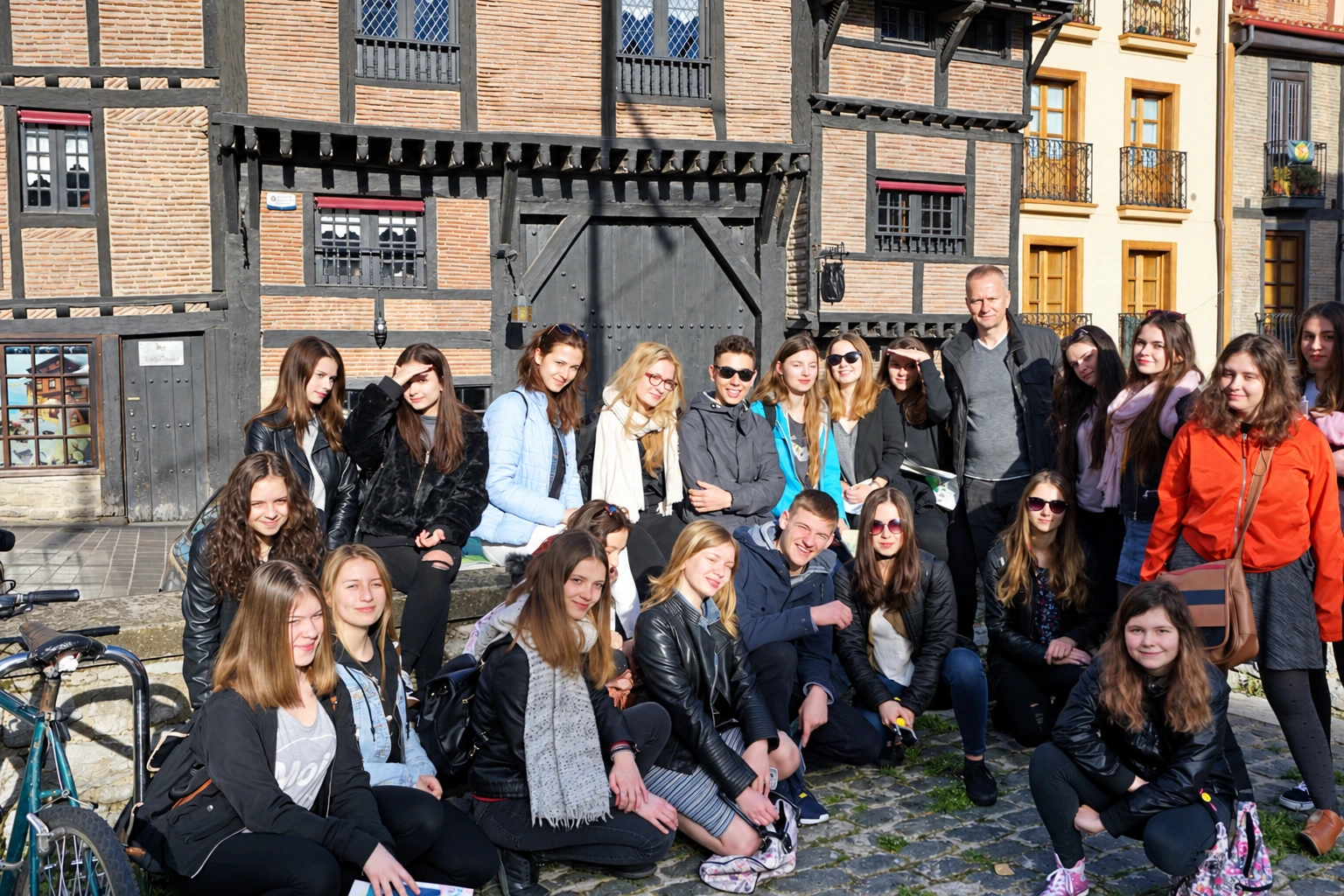
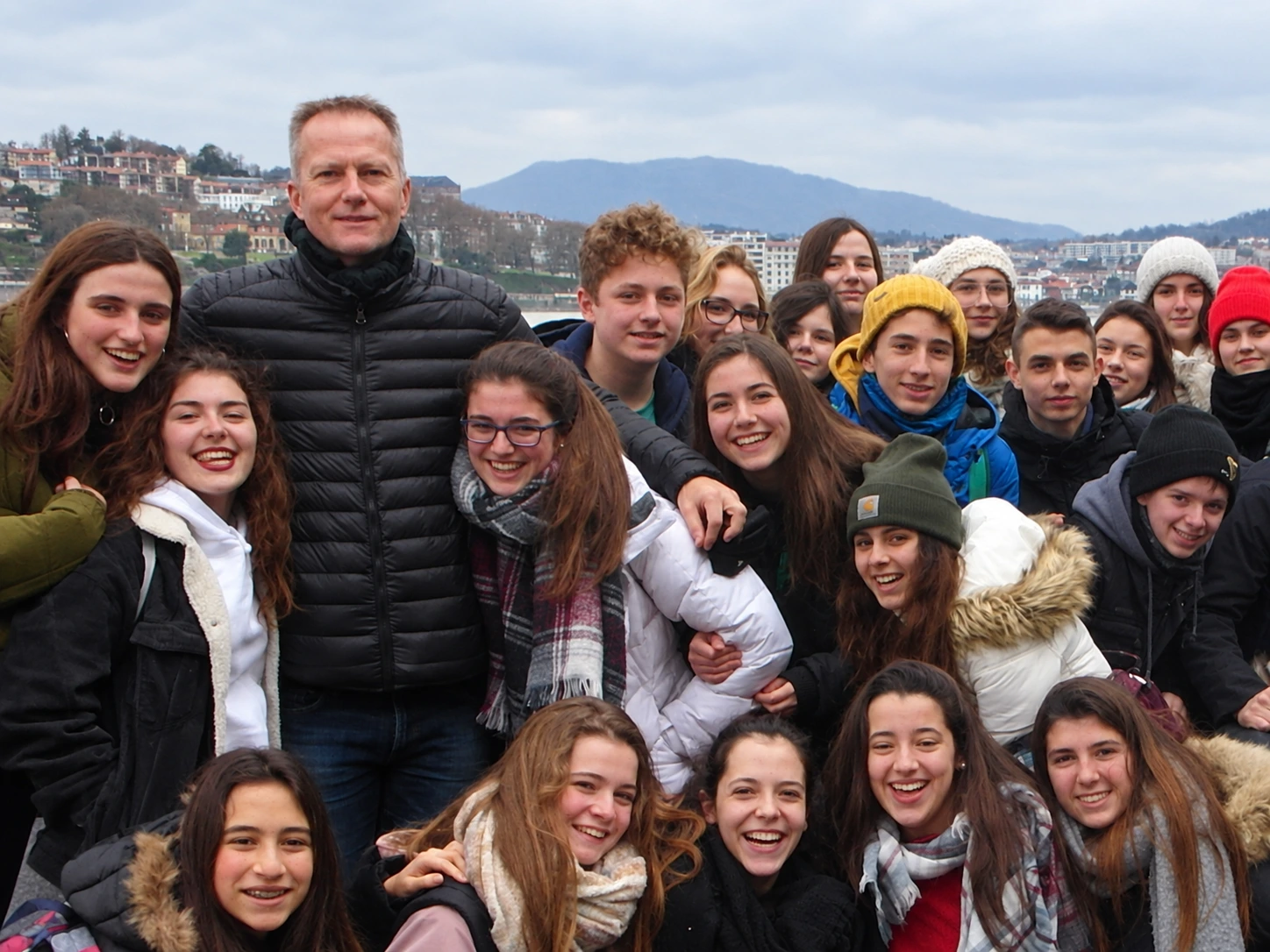
Gdańsk — travelling togetherKołobrzeg — by the Baltic SeaA seaside walkA moment to restWelcome to our schoolLearning from each otherMeeting at City Hall with Anna Mieczkowska, Mayor of KołobrzegA school open to the worldSport togetherHistory beyond the textbookWolin National ParkBy the lakeAn unexpected encounter on the beachFriendship along the wayGdynia — beside Dar PomorzaGdańsk — exploring the streetsGdańsk — beside the lionsLittle moments of joyGdańsk — the history of SolidarityA Basque touch in PolandTravel stop: Berlin — the colours of the cityTravel stop: Berlin — discovering togetherBack to schoolThe Baltic in winterA friendship that growsCecilio — a television interview in PolandMeeting with Anna Bańkowska, Deputy Marshal of the West Pomeranian Voivodeship, at the Marshal’s Office in Szczecin
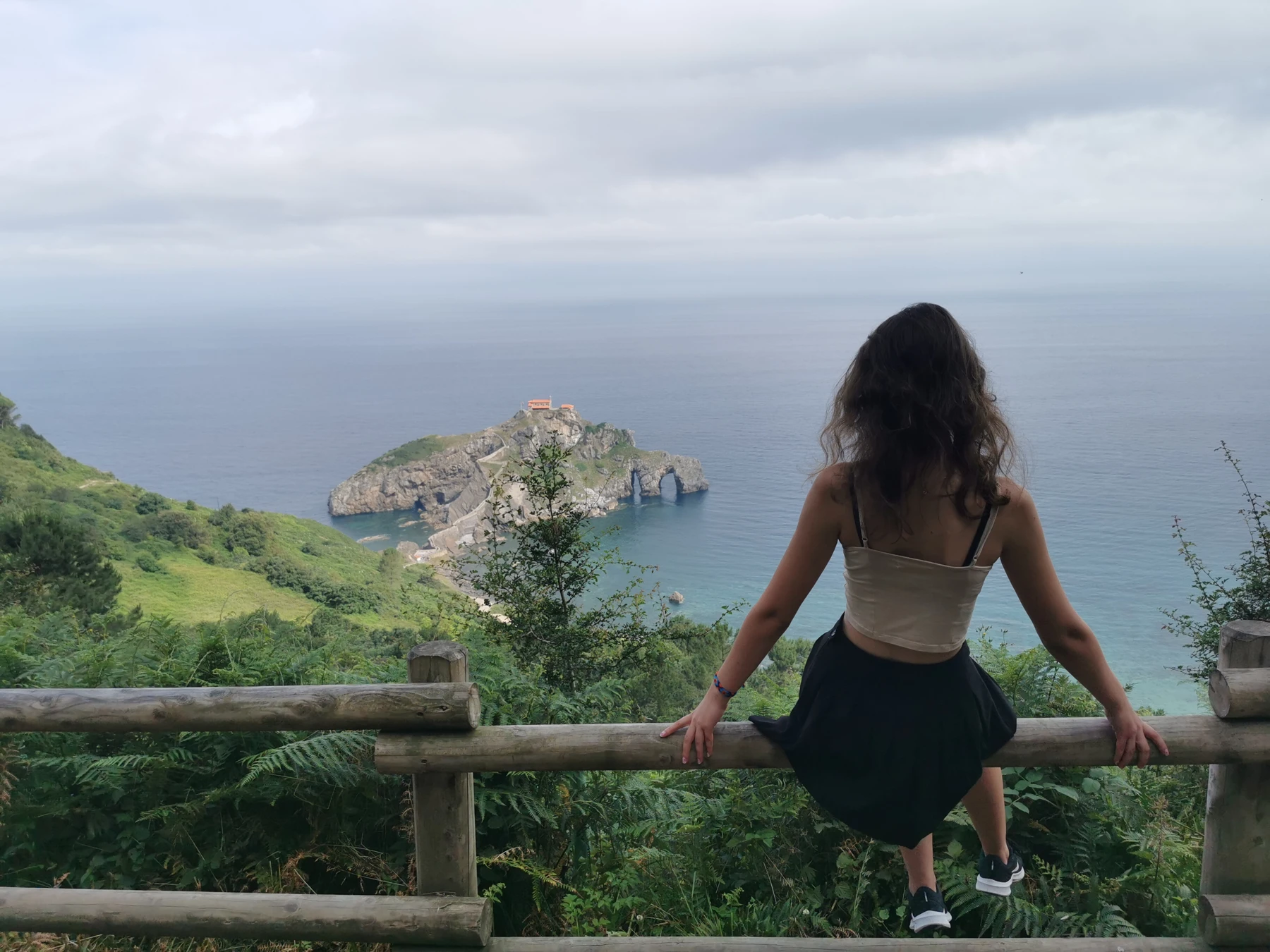
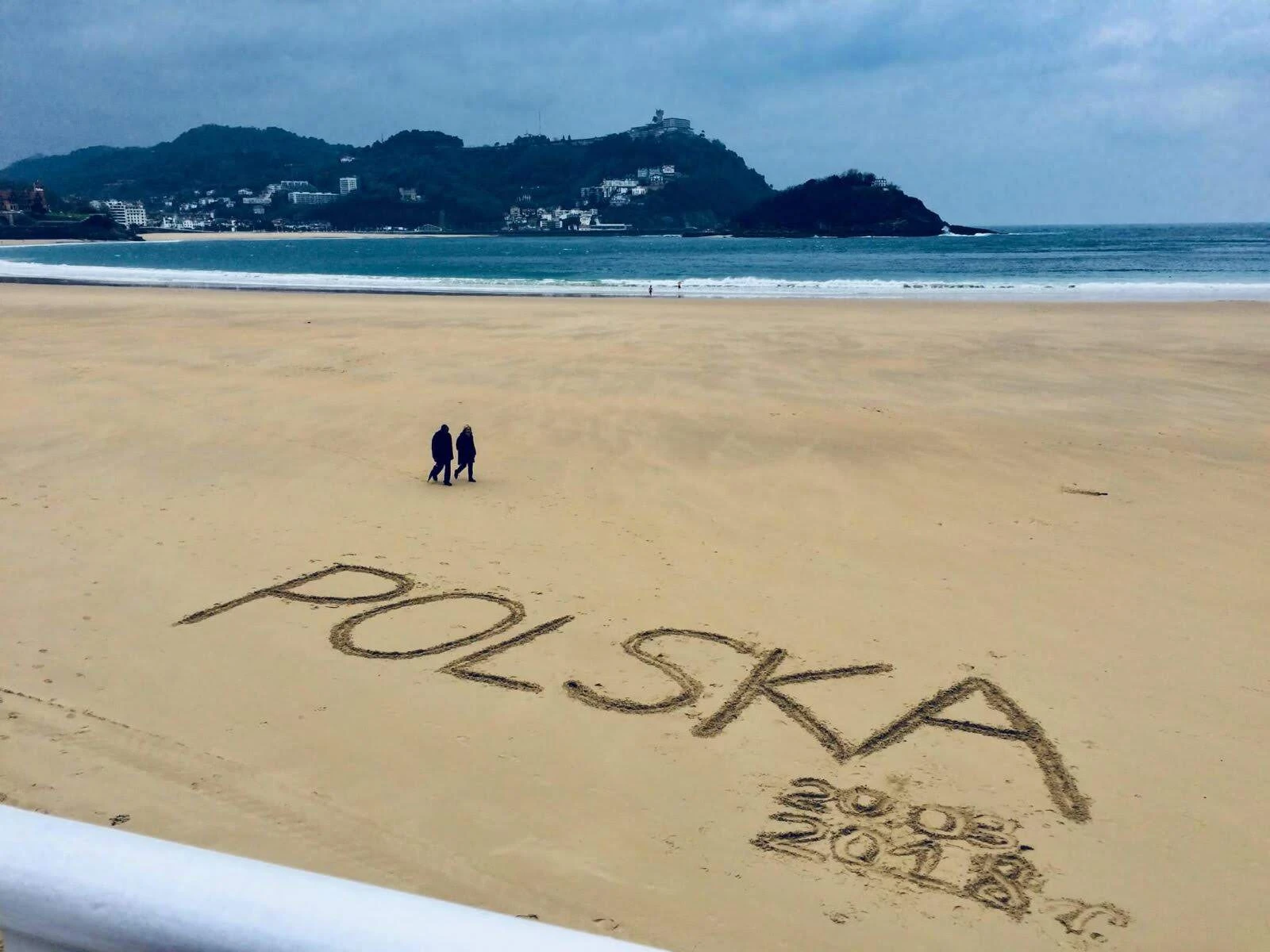
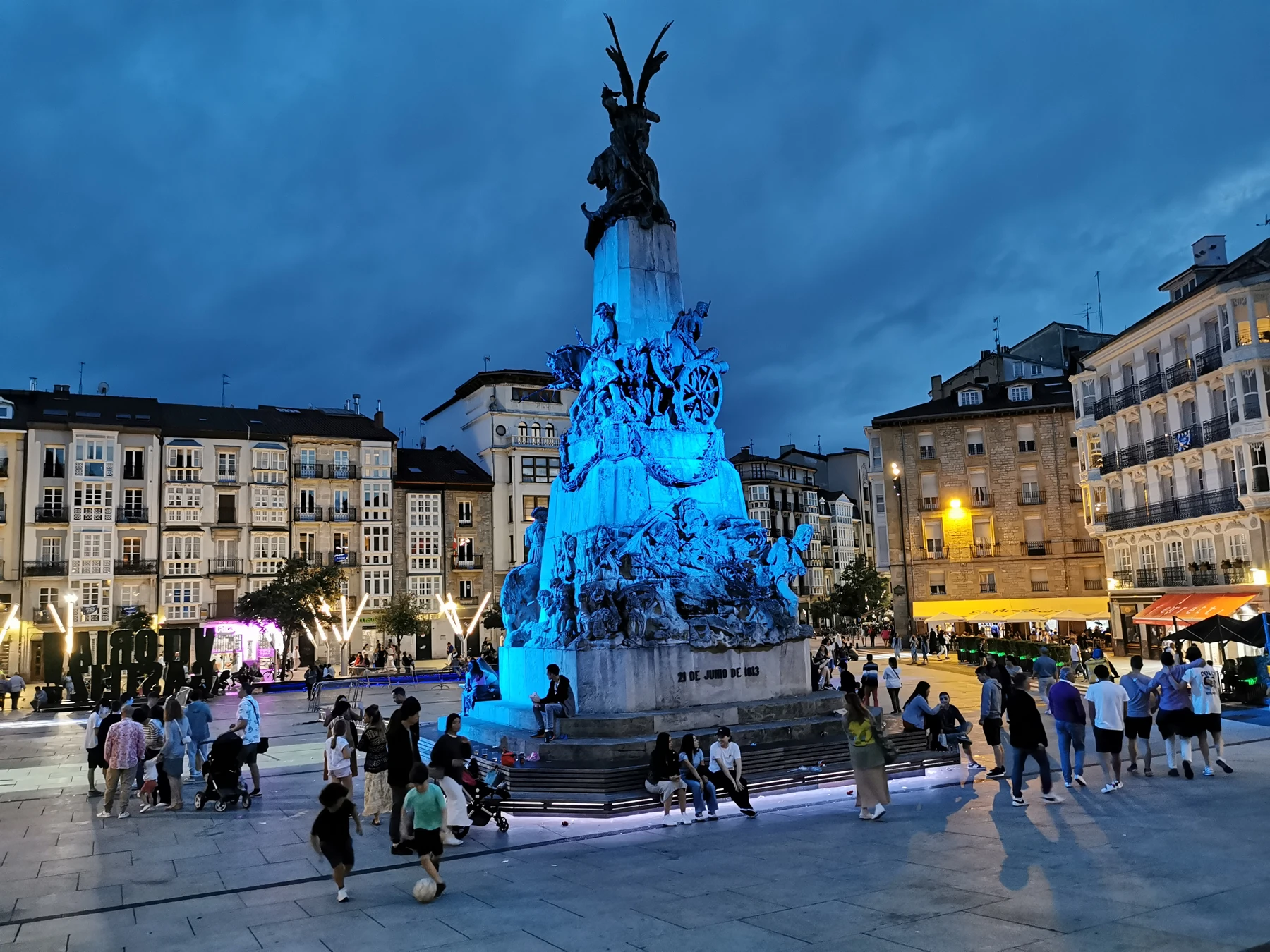
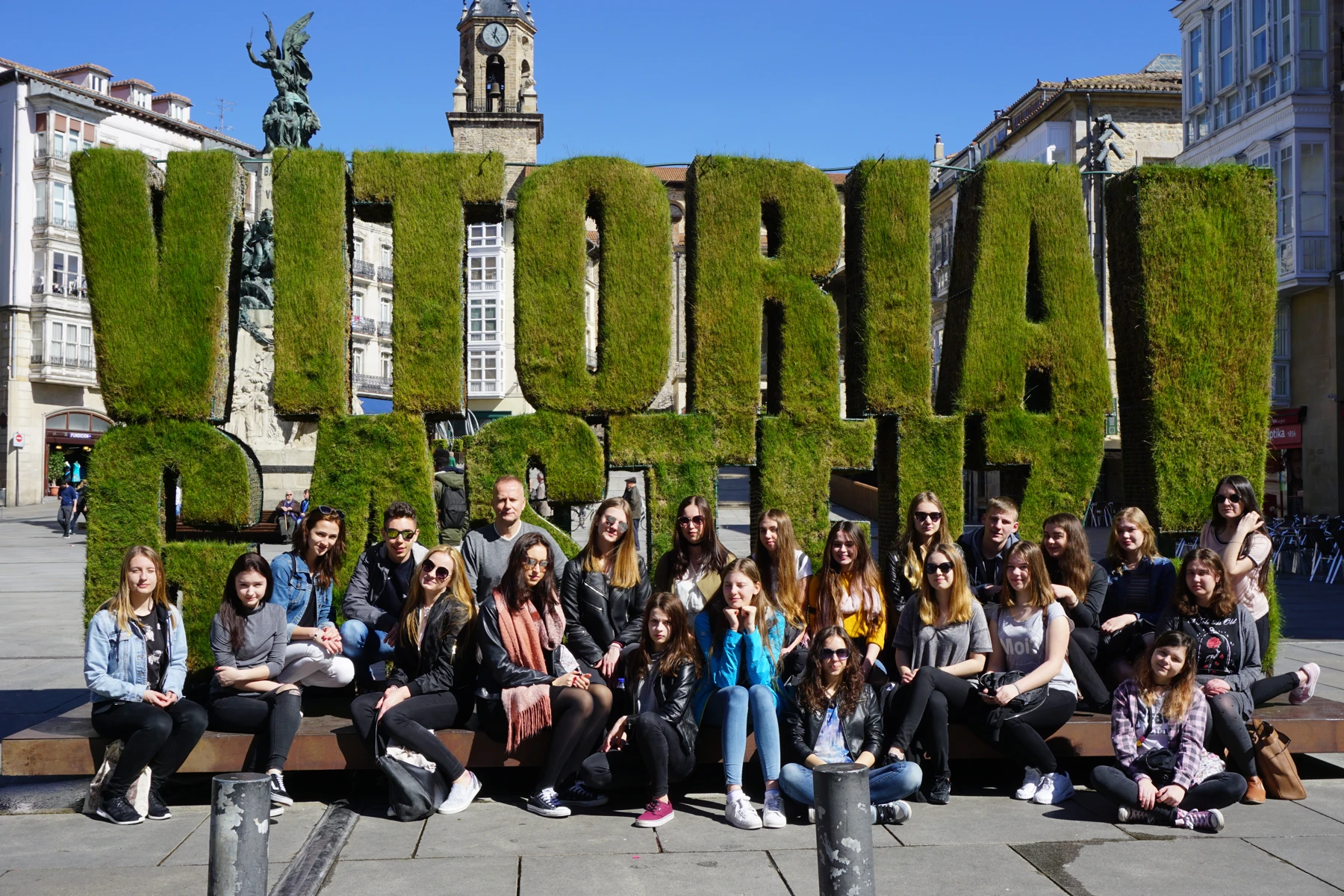
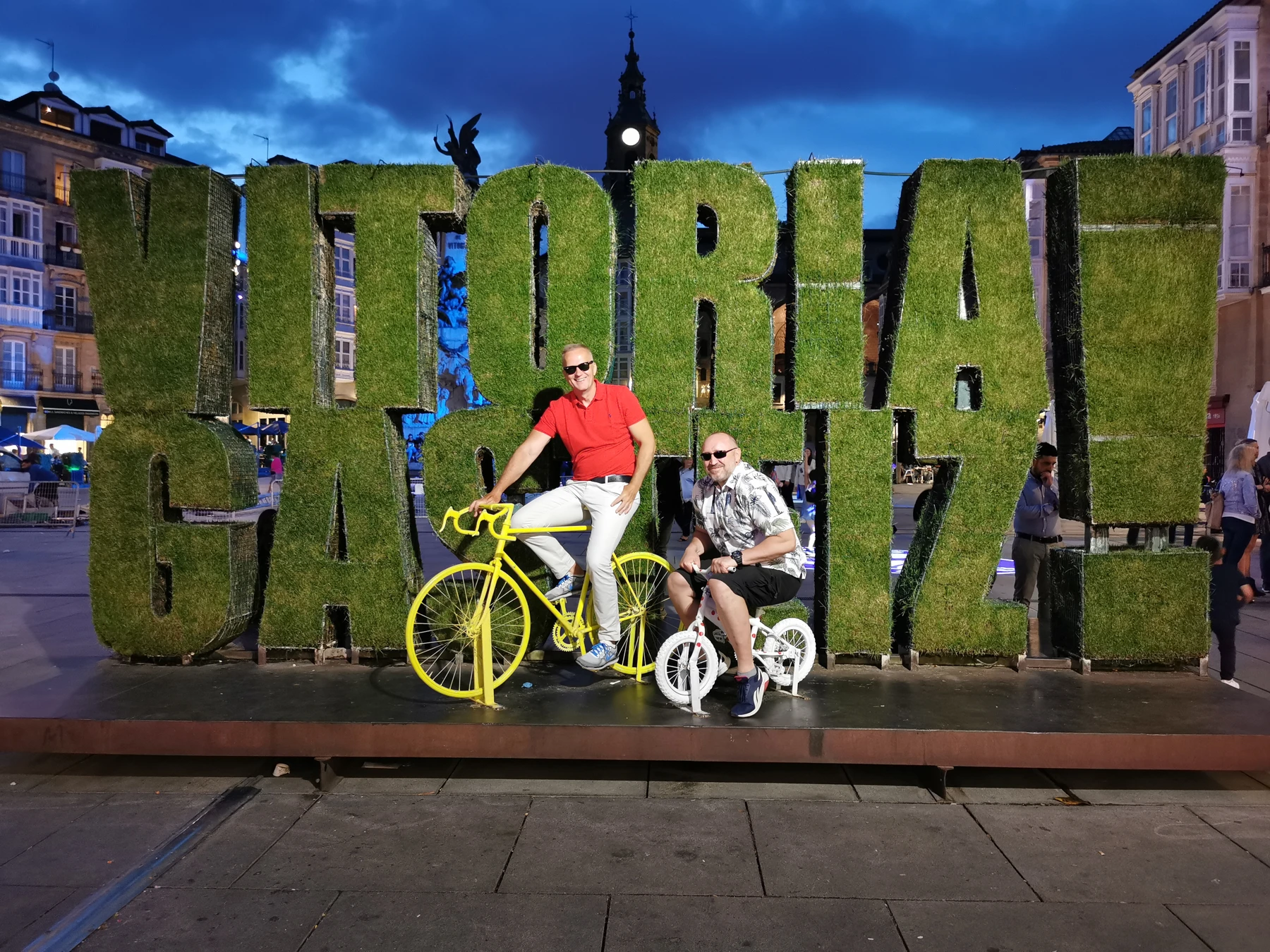
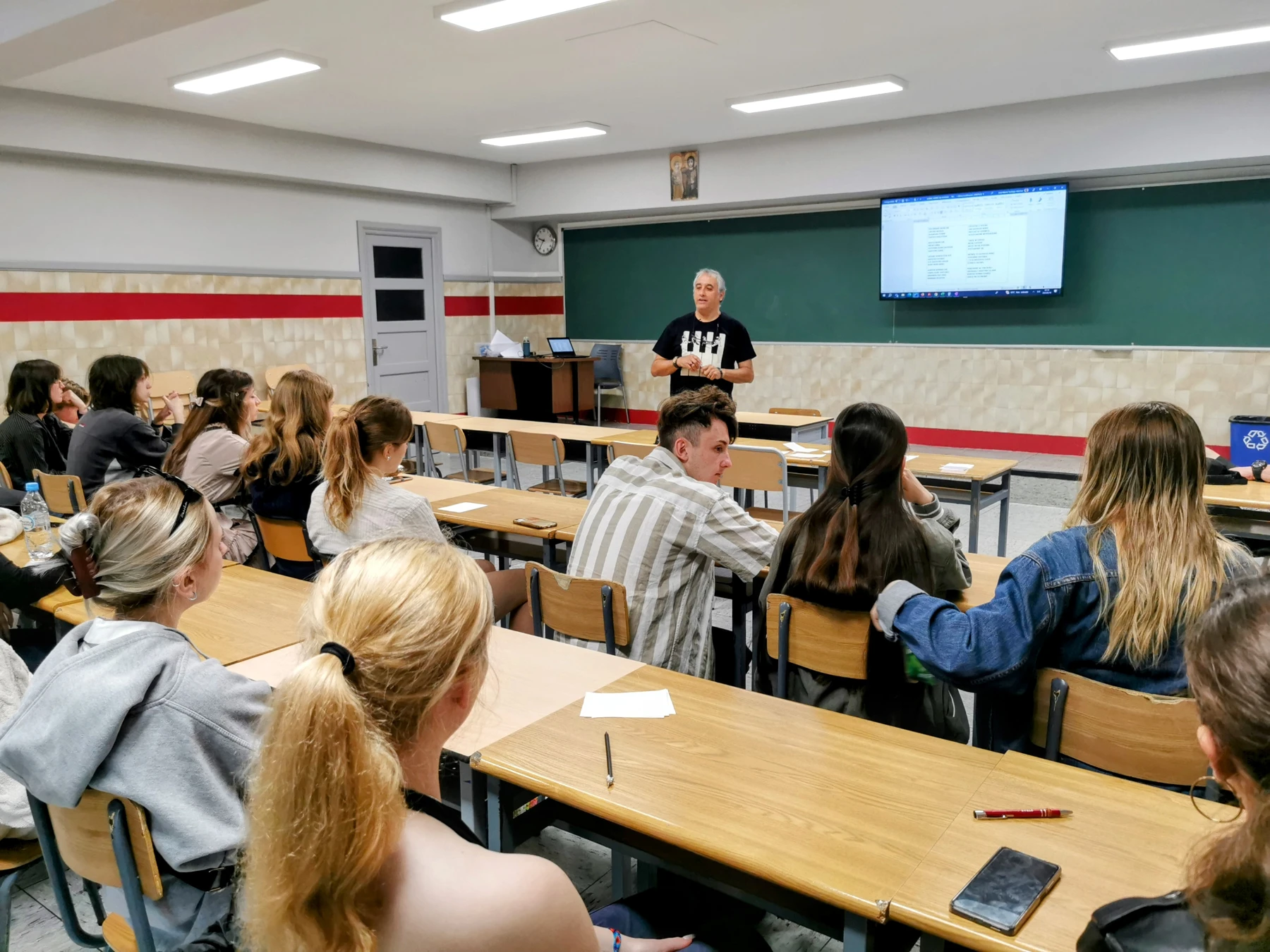
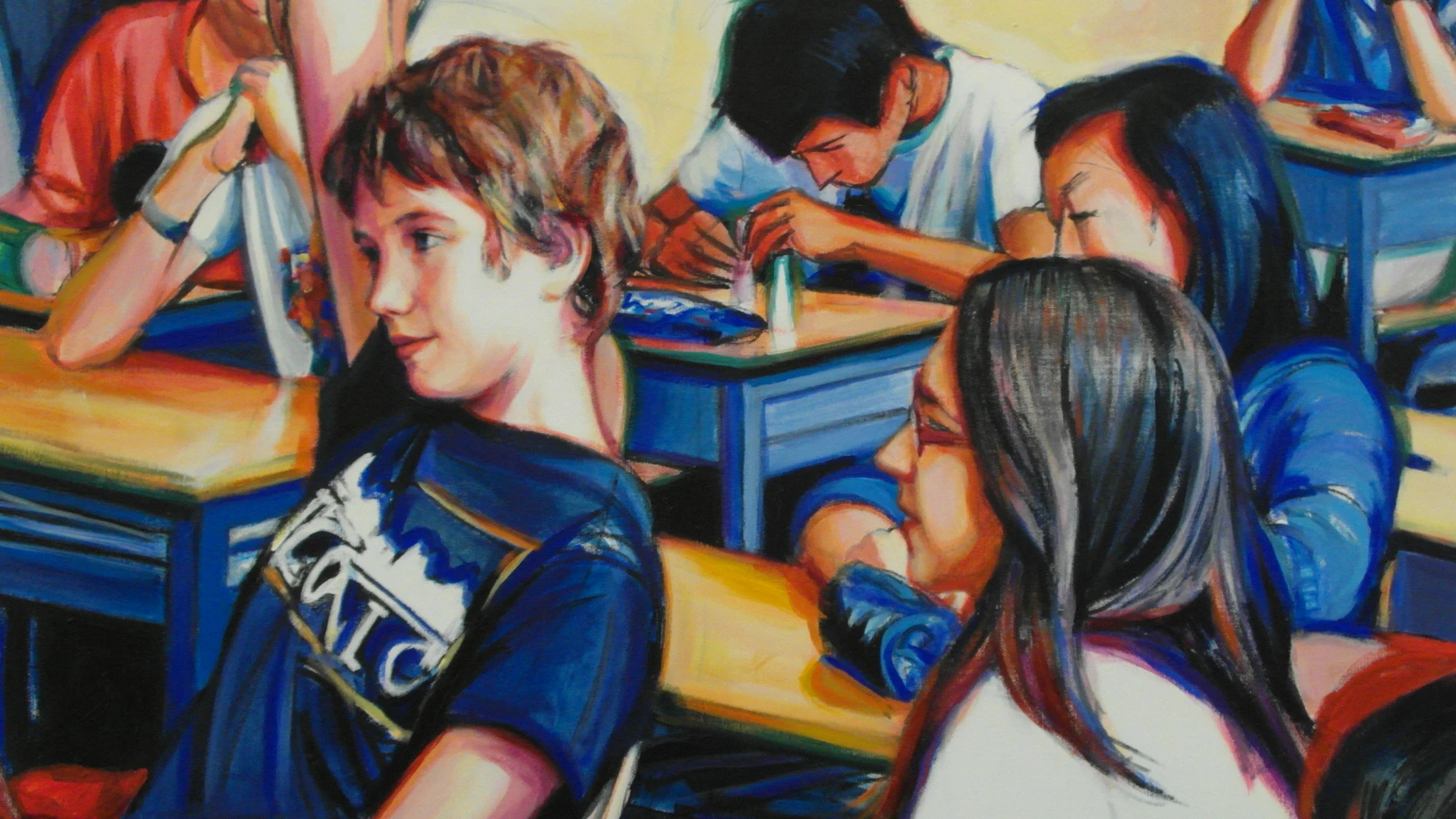
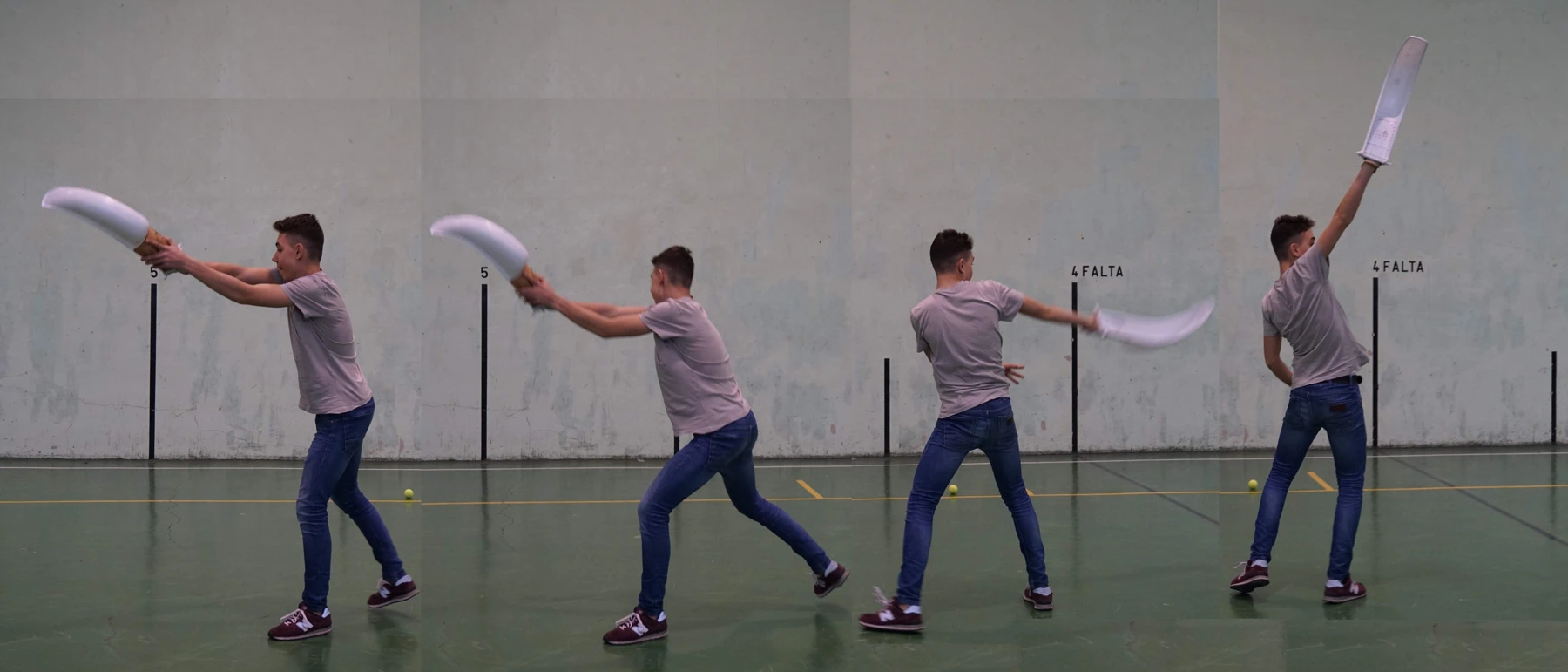
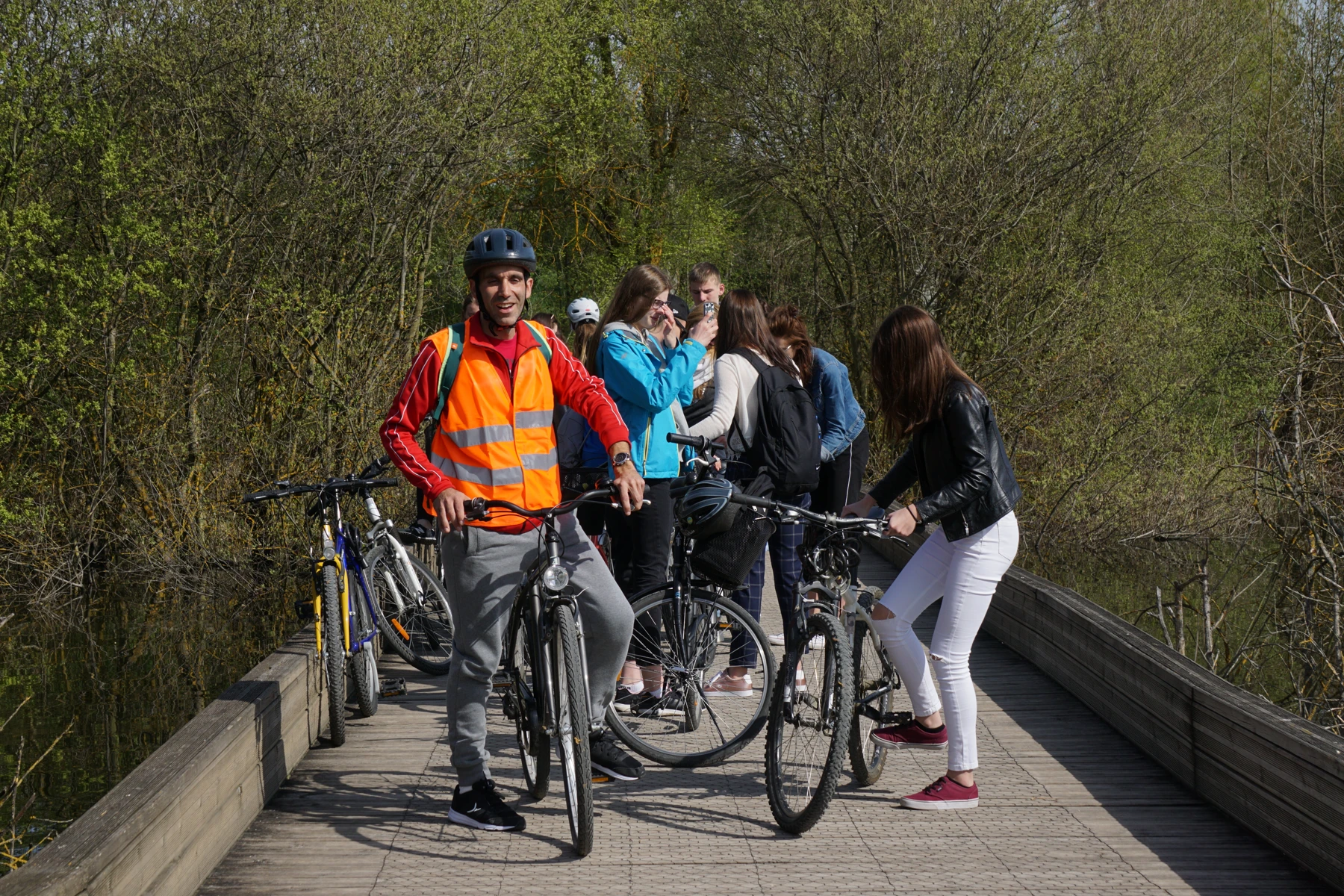
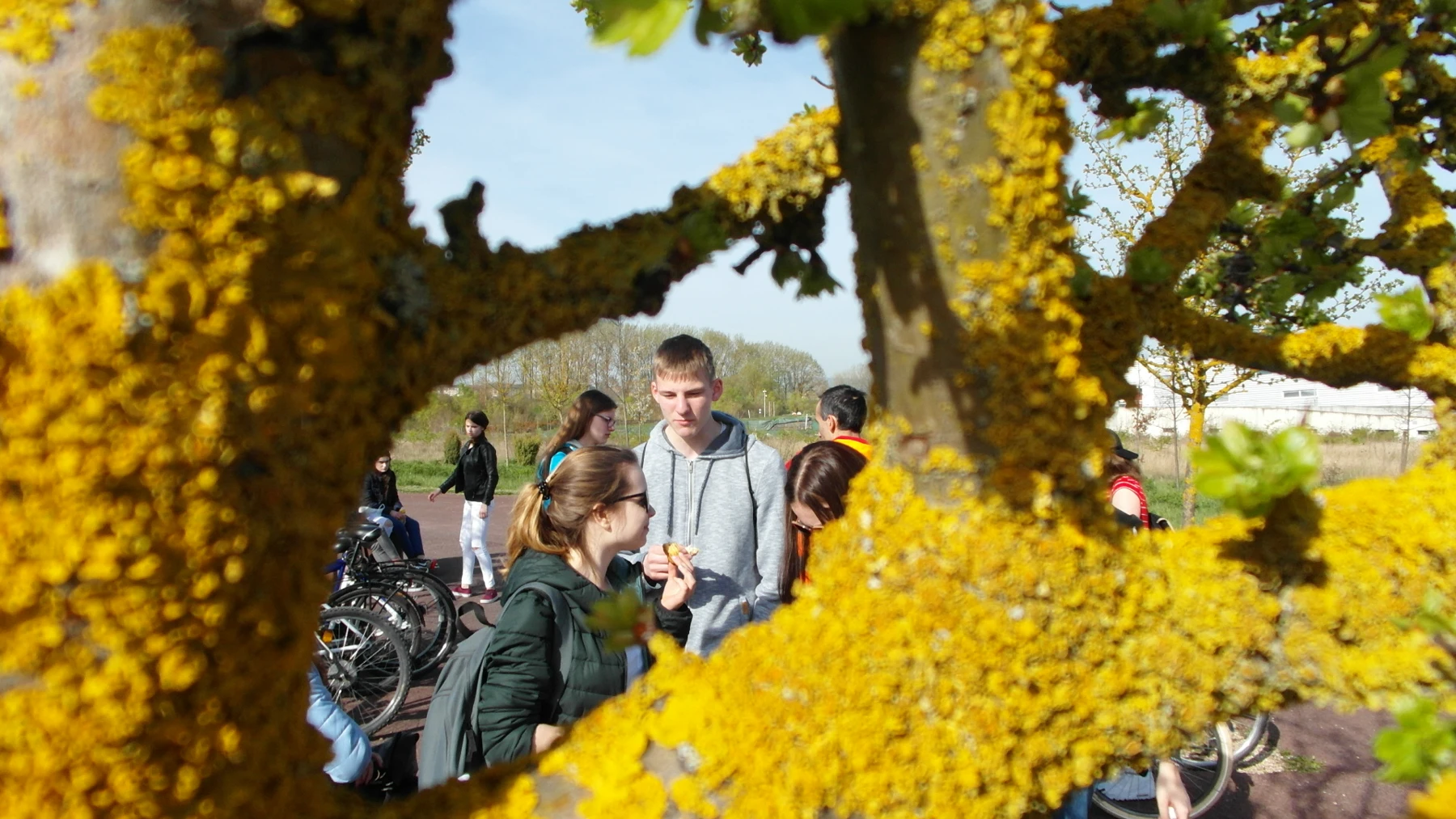
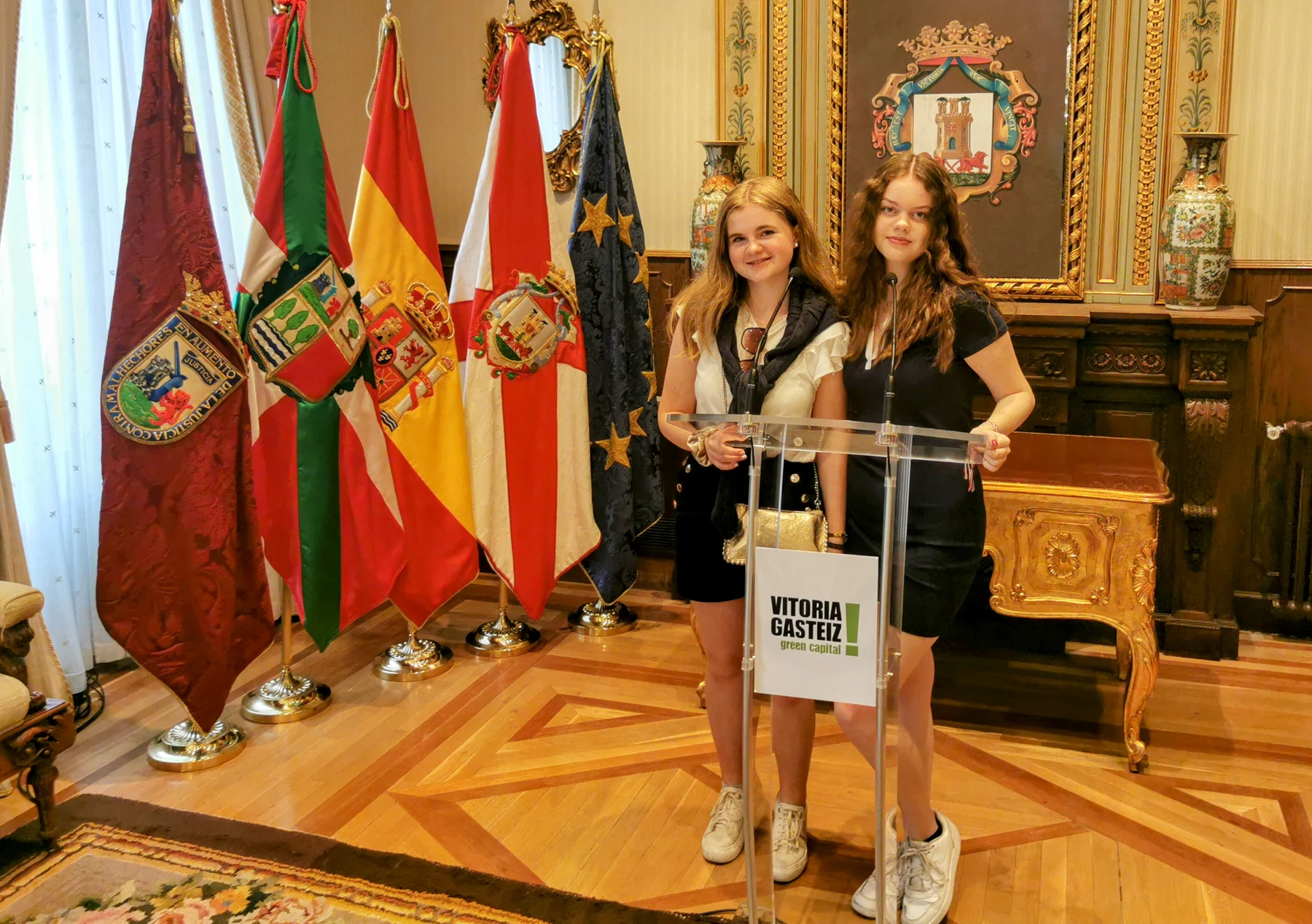
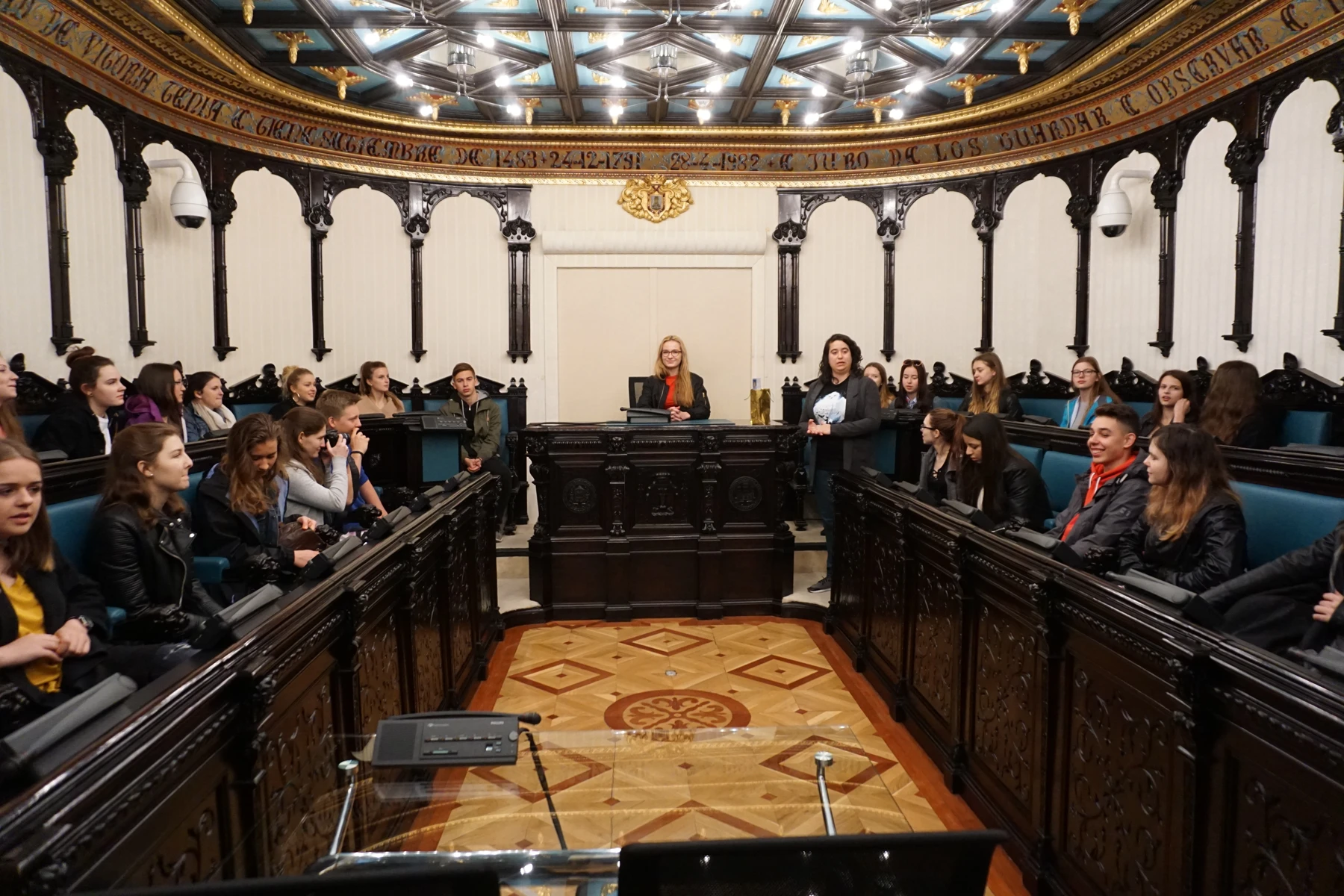
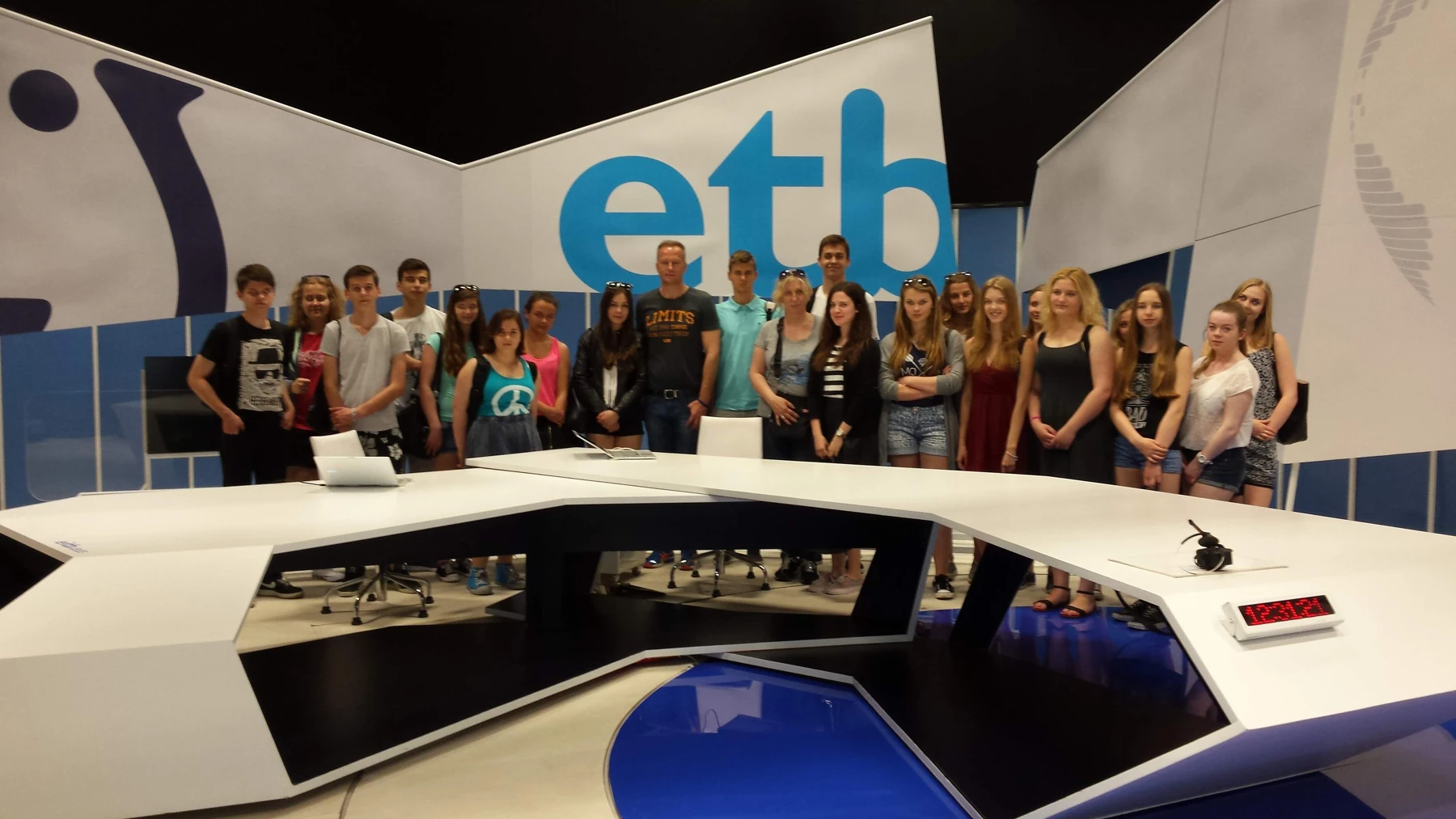
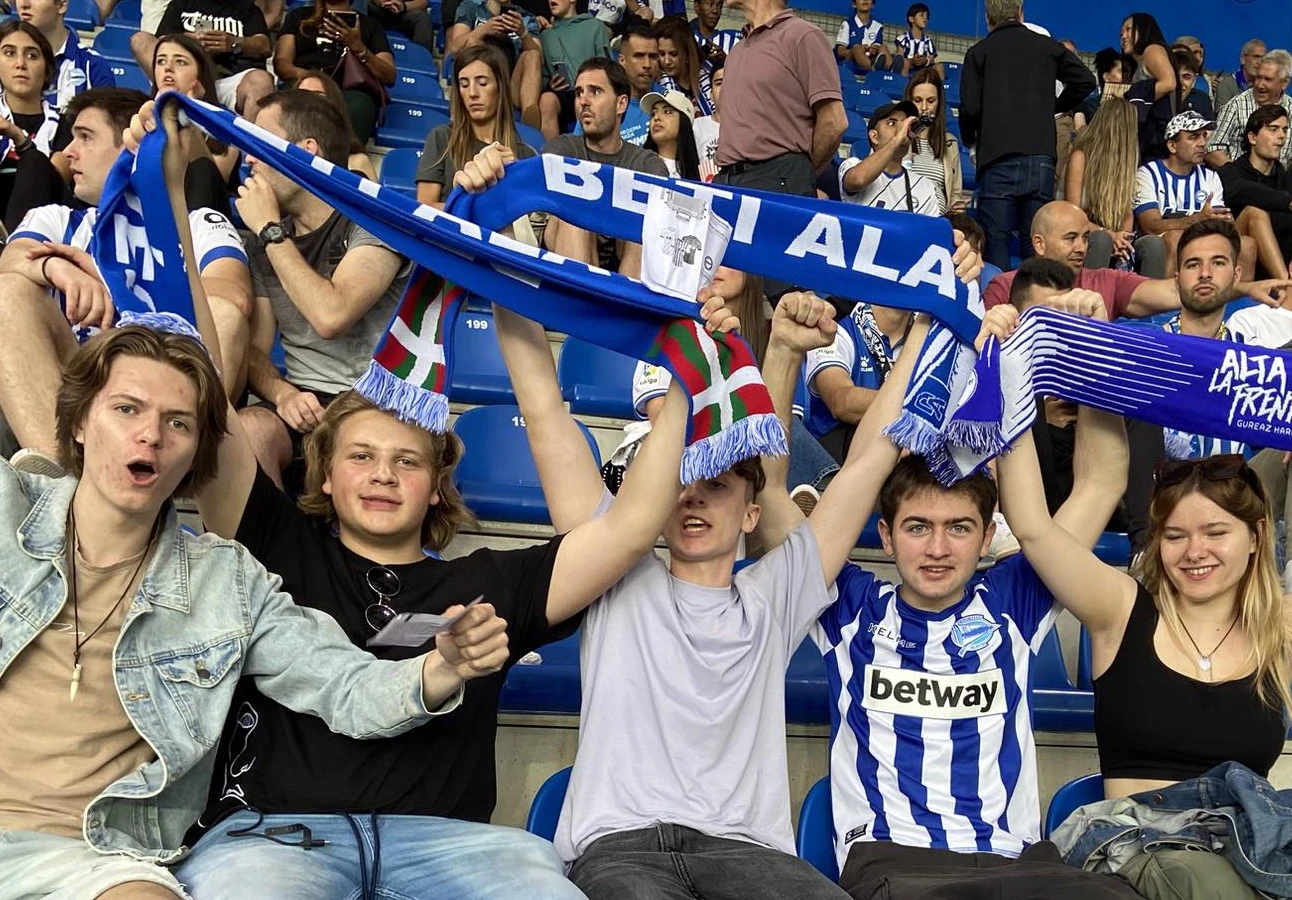
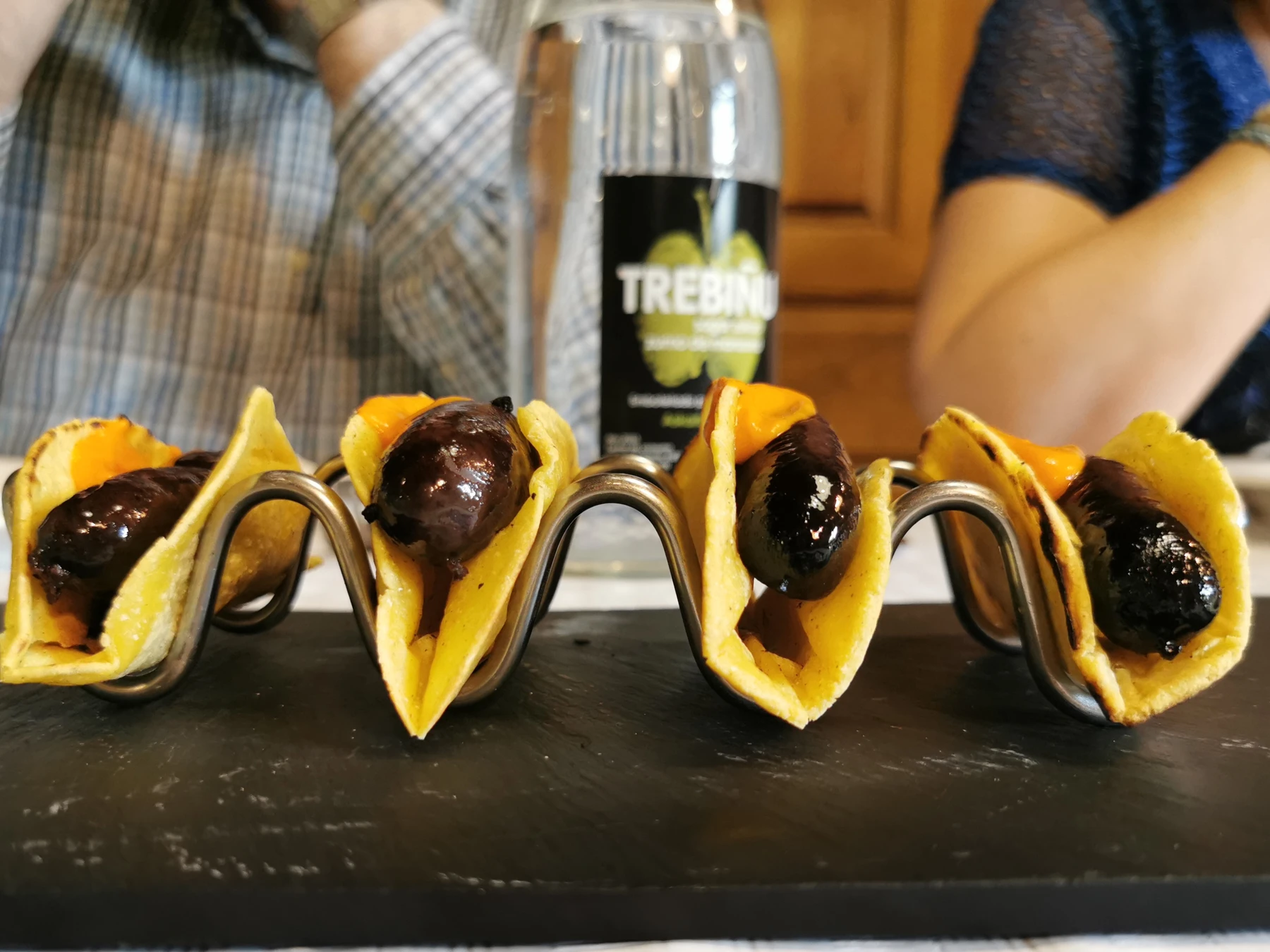
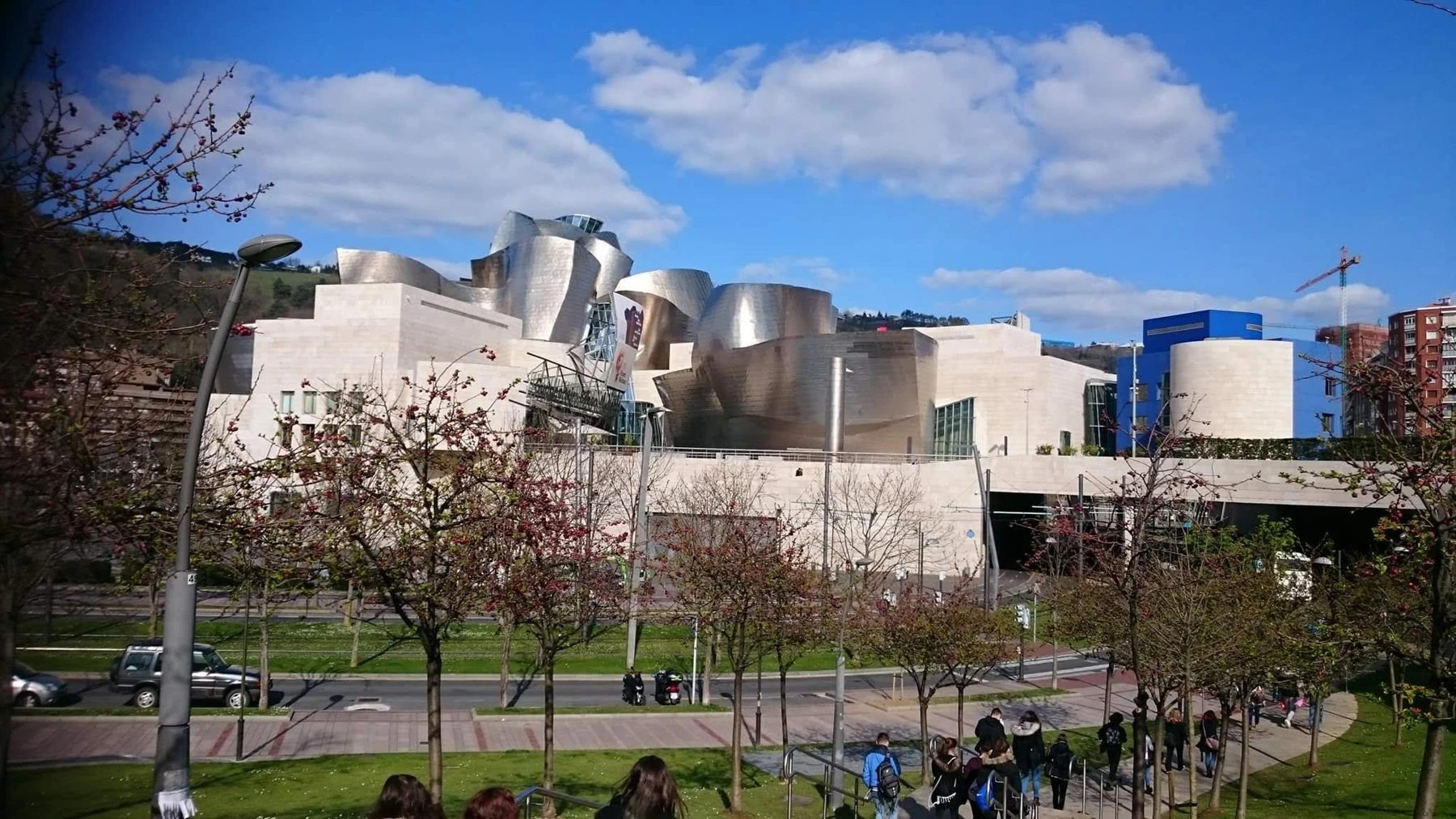
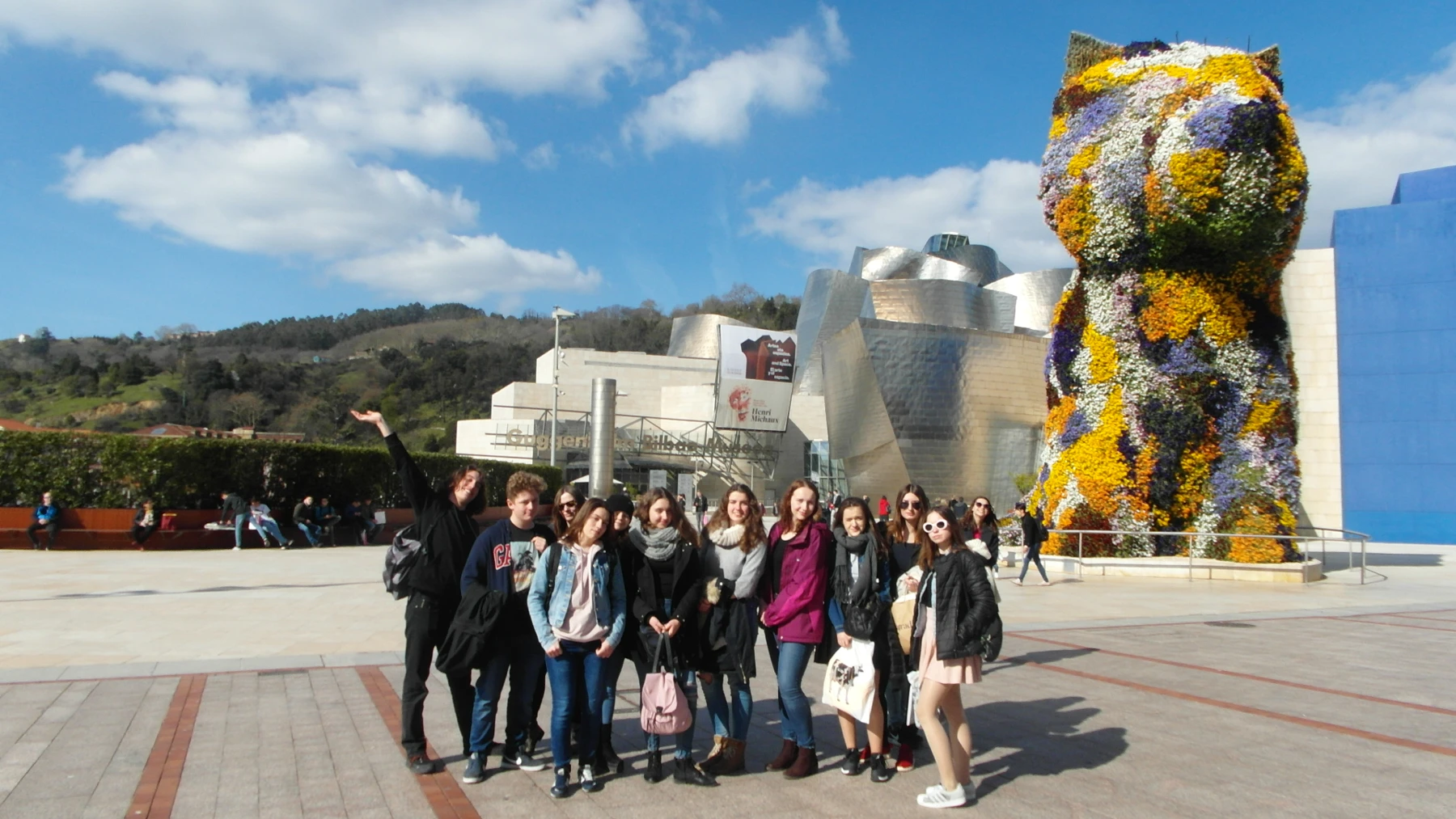
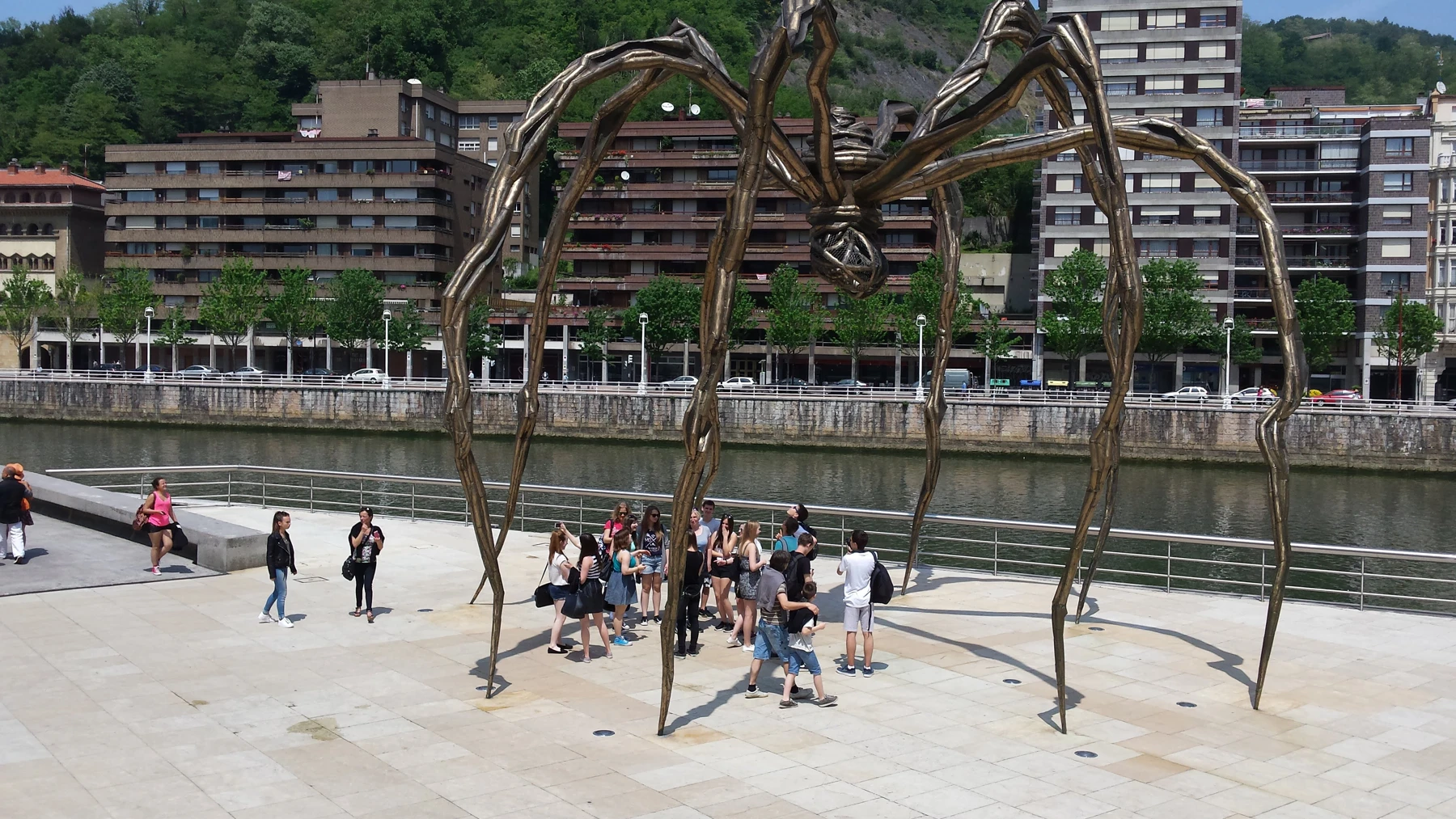
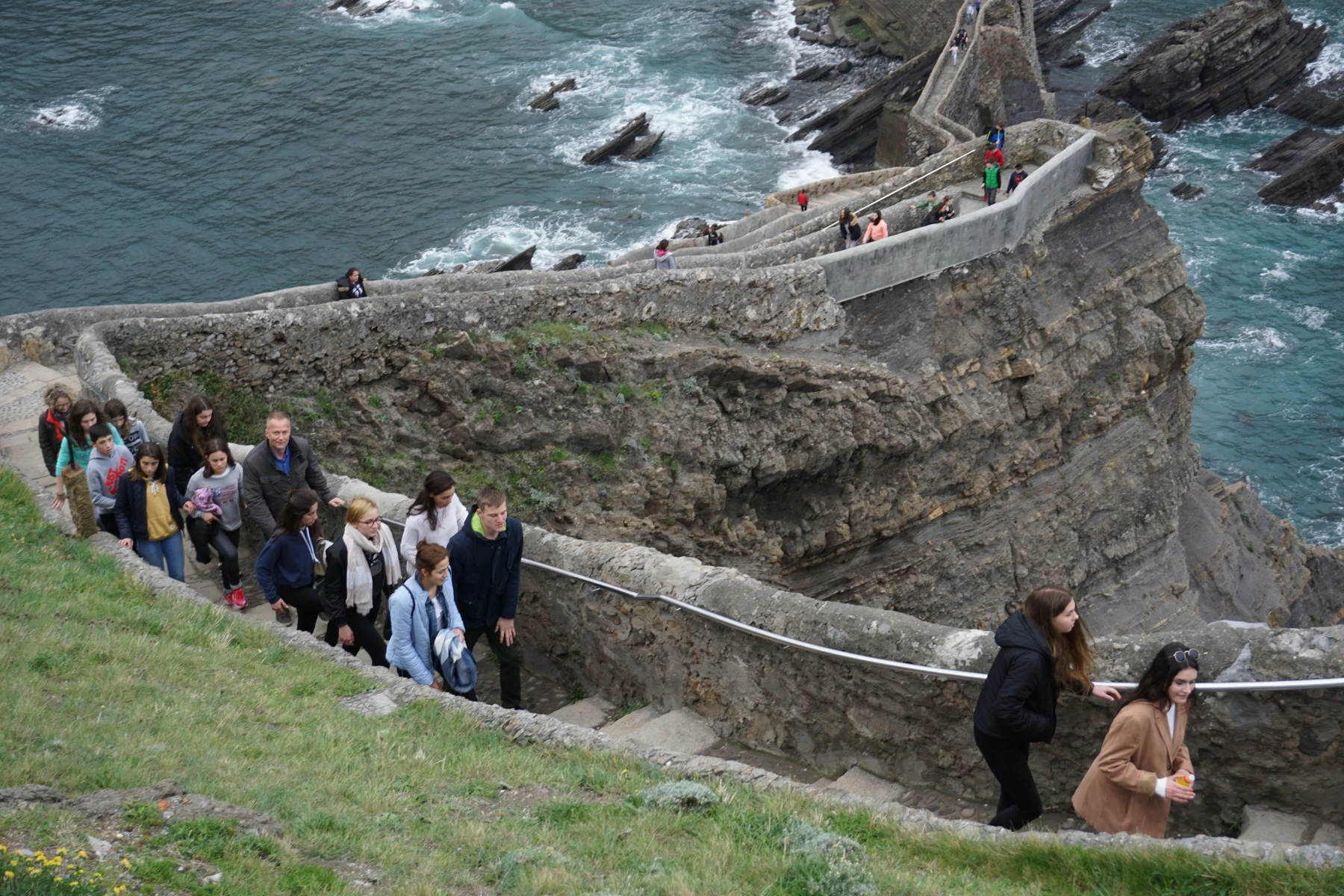
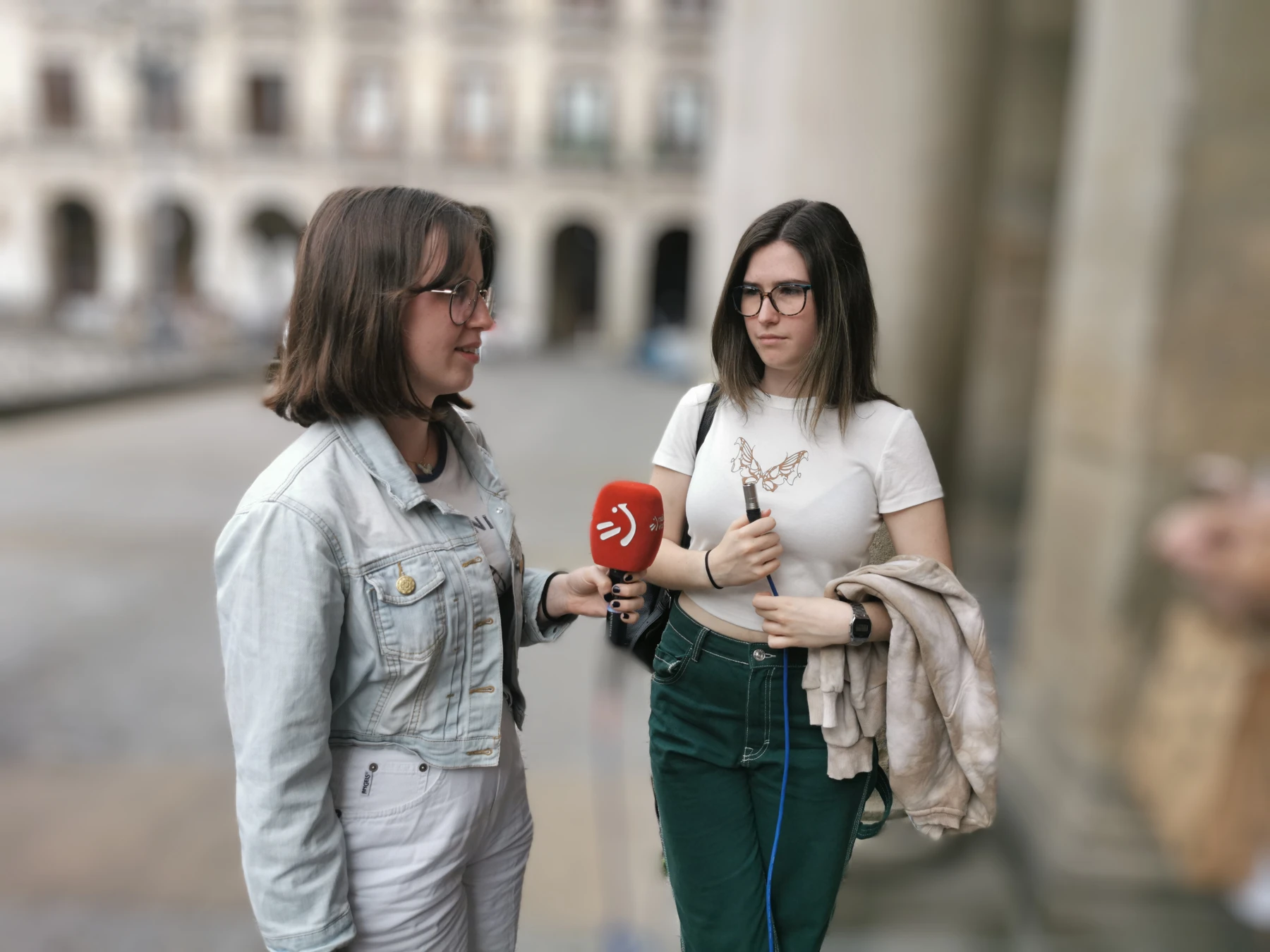
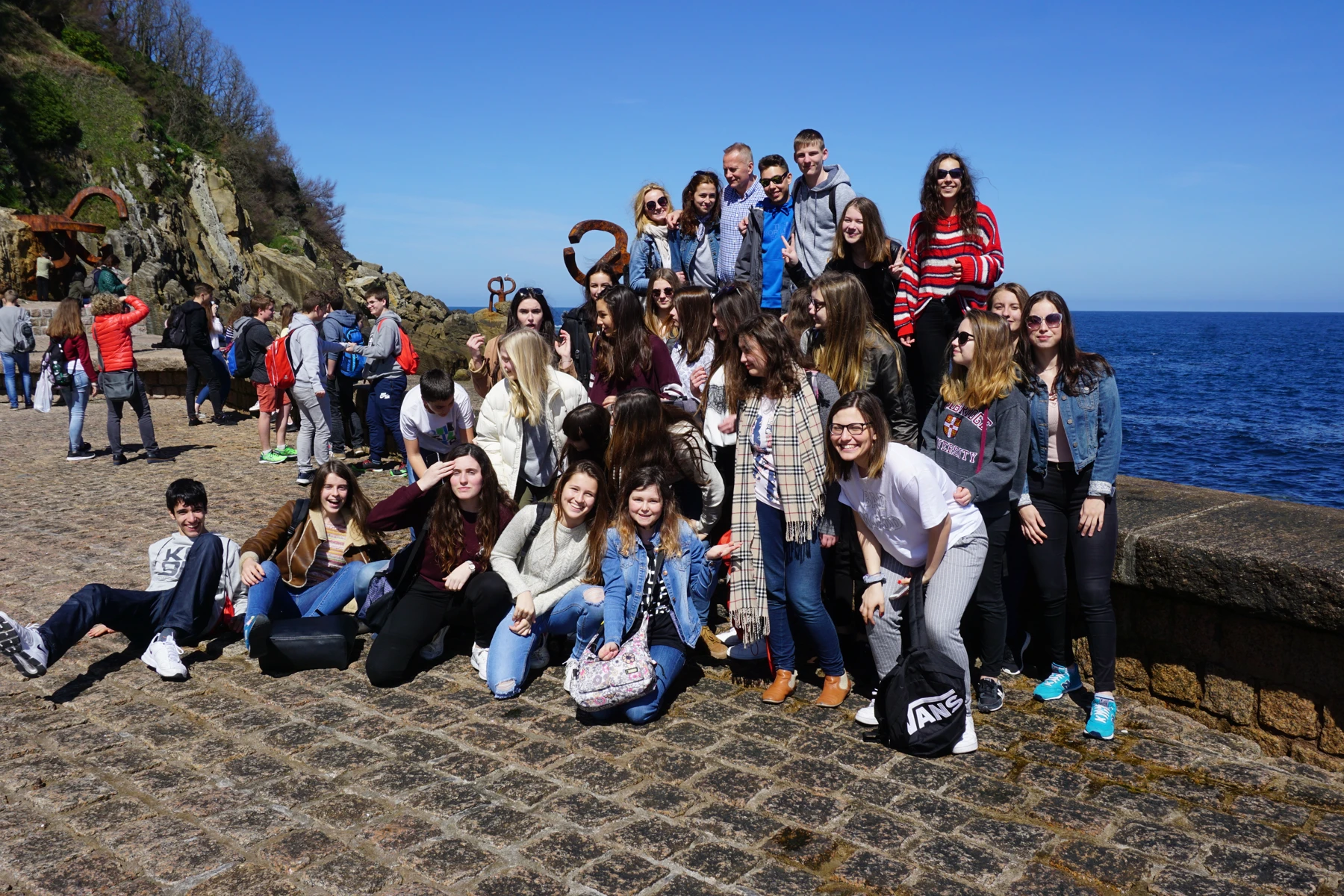
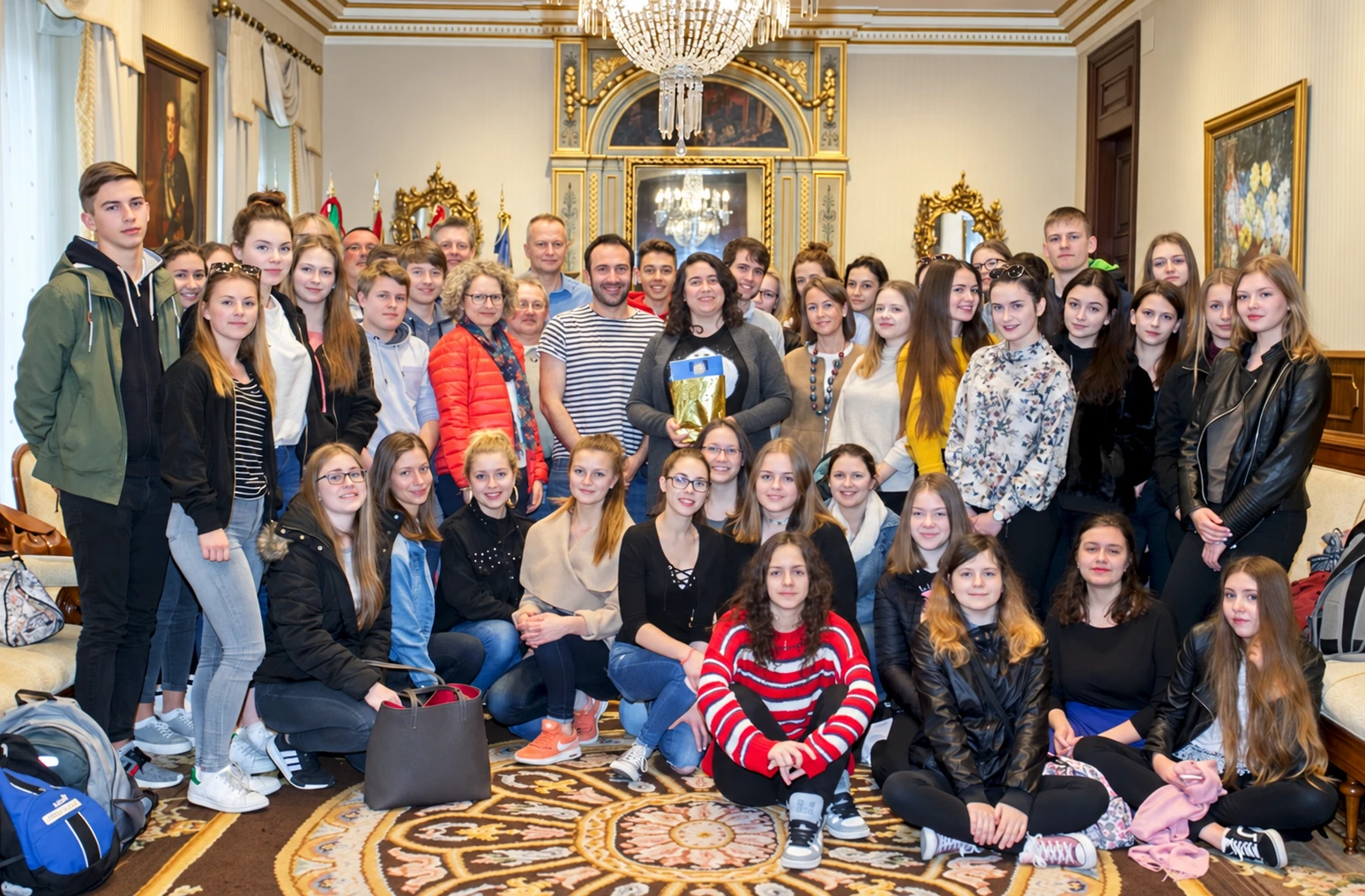
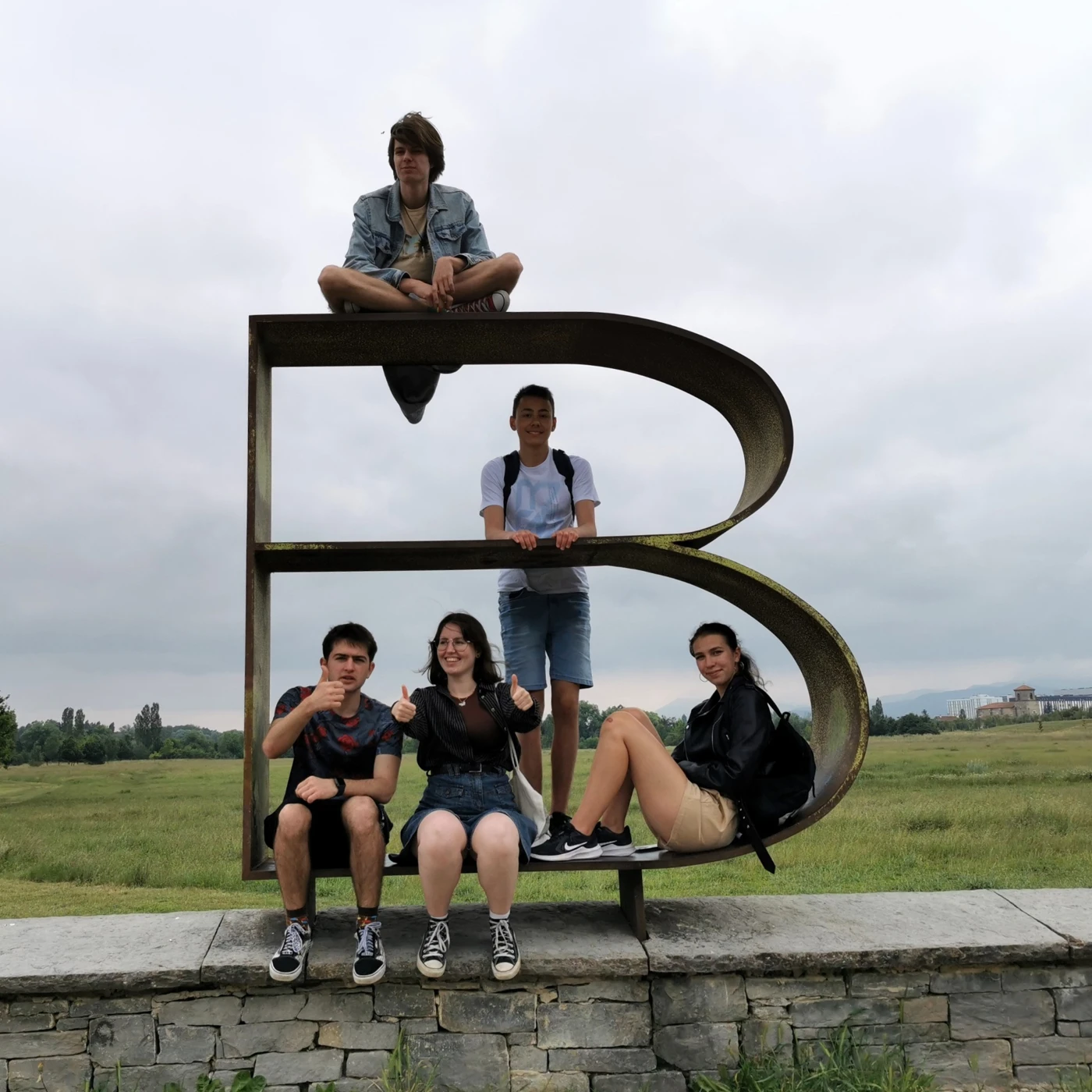
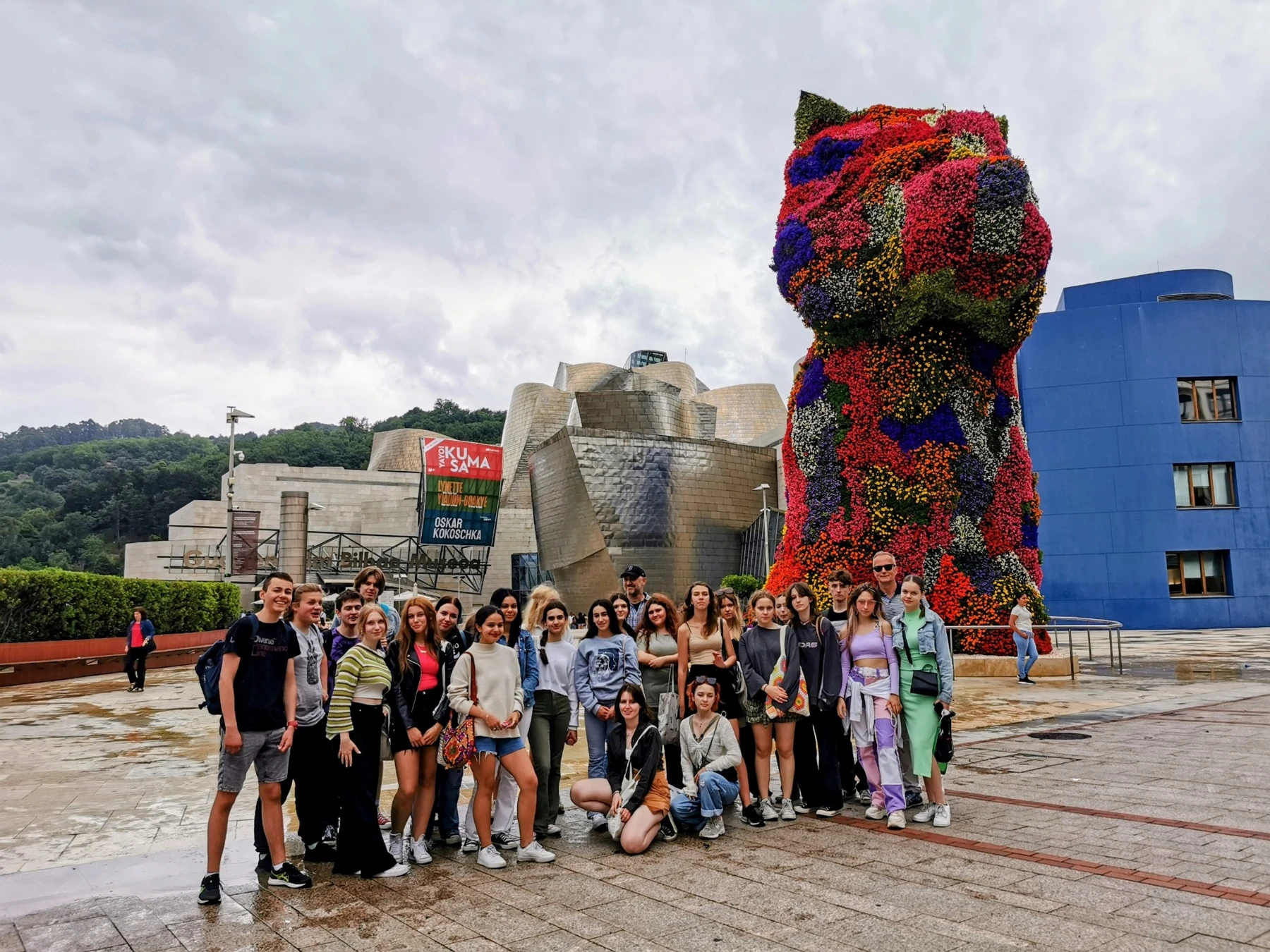
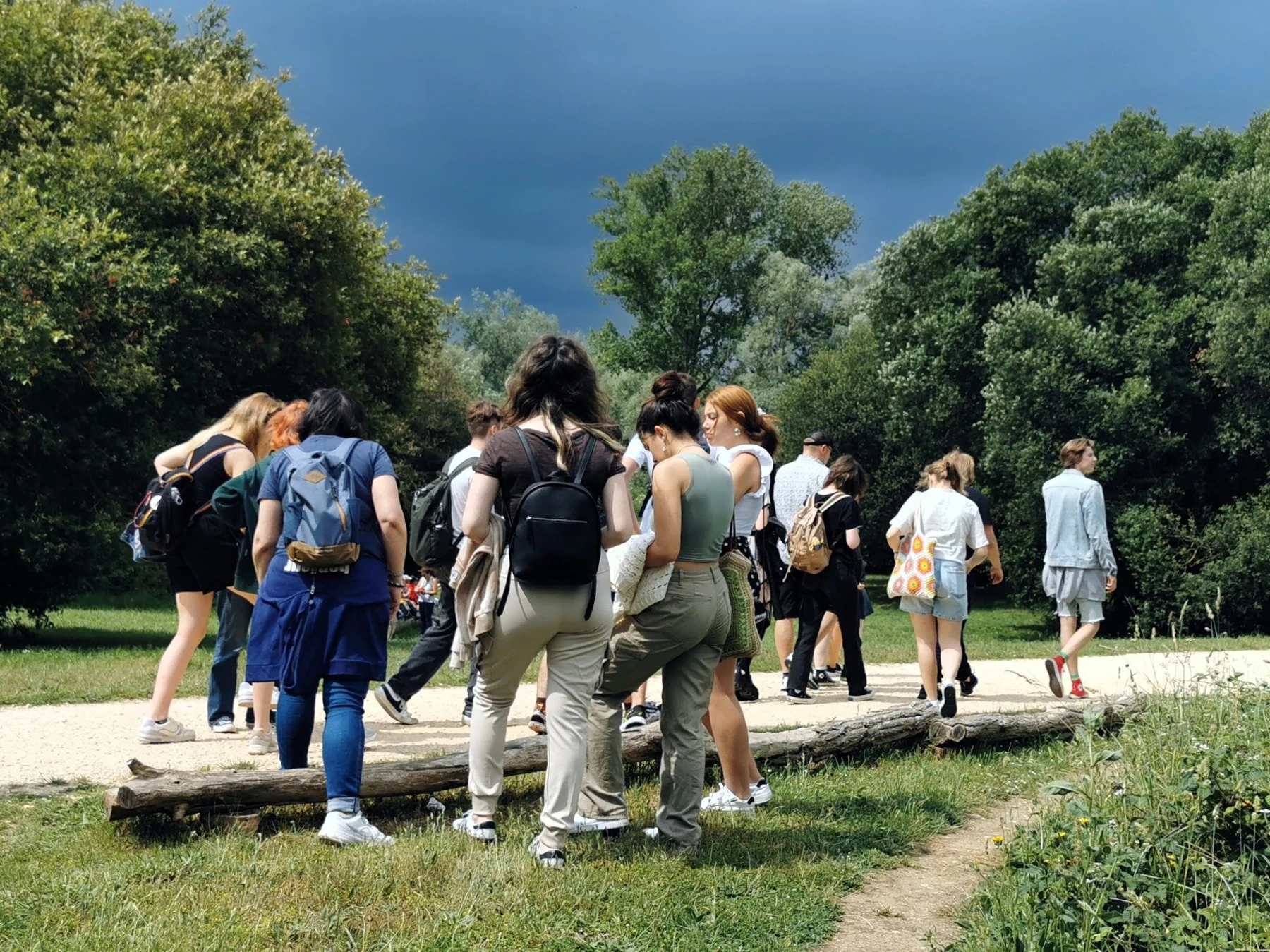
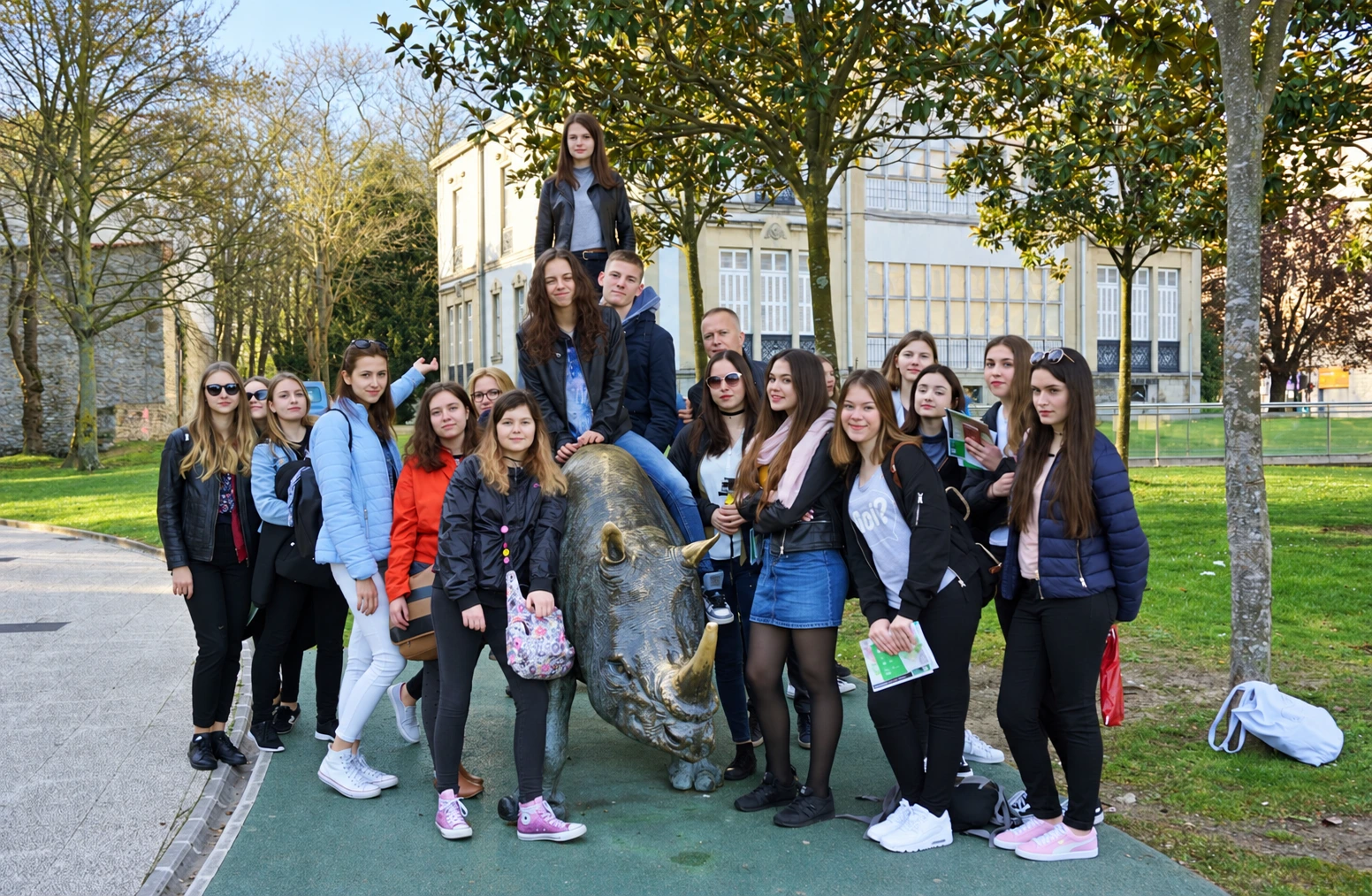
Poland on a Basque beachVitoria-Gasteiz at duskWelcome to Vitoria-GasteizThrough the streets of Vitoria-GasteizShared pathsLessons at our partner school about the Basque Country, its history and cultureA detail of a painting in the hall of our partner school in Vitoria-GasteizDiscovering pelota — phases of movementExploring by bicycleThe world through a yellow frame of branchesYoung people take the floorDiscovering local institutionsVisiting Basque televisionCheering togetherFlavours of the journeyVisiting MadridBilbao — Guggenheim architectureBilbao — participants and PuppyBilbao — art in the cityGaztelugatxe — wonder at the landscapeGaztelugatxe — a shared pathAn interview for Basque radioDonostia / San Sebastián — by the seaDonostia / San Sebastián — a moment to restFriendship across bordersMarianistas — friendship between schoolsVitoria-Gasteiz — a meeting with the Mayor in the ceremonial interior of City HallShared moments outdoors — the joy of being togetherBilbao — exchange participants beside Puppy and the Guggenheim MuseumDiscovering the Basque Country — walking together among the greeneryHeadteacher Hugo — co-initiator of the partnership between our schoolsBeside the rhinoceros sculpture in the square outside Marianistas school in Vitoria-GasteizVitoria-Gasteiz — the group exploring the old townSan Sebastián / Donostia — students exploring the city
04 / Participant voices
Students’ and teachers’ accounts
Personal memories from the people who built this friendship.
I took part in this year’s exchange with Spain. I met many wonderful people and discovered Spanish culture. We visited three cities in the Basque Country, and all of them are beautiful. Vitoria-Gasteiz impressed me with its architecture and varied attractions, and San Sebastián with its seaside scenery. I met many people from Spain during the exchange, and every one of them was keen to get to know us. I highly recommend taking part in an exchange like this.
04 / Our stories
Exhibition. Film. Publication.
Three ways to preserve our shared history.
In preparation
From our partnership archive
Archive video from 2017
A short clip from our partnership archive, provided by the coordinator.
The people who have connected our schools for years.
Marek KieśKołobrzeg · I LO bilingual secondary schoolRead the story
Marek Kieś — a curiosity about the world that brings people together
My openness to other cultures grew through learning languages, travelling and meeting people. I am a graduate of Adam Mickiewicz University in Poznań; I also studied at Martin Luther University Halle-Wittenberg and, as a US Department of State scholarship recipient, attended a course for teachers at Columbia University in New York. Each of these experiences taught me how much we can learn and gain from one another when we meet with curiosity and openness.
Israel and the Basque Country hold a special place in my heart: their culture, their history and, above all, their people. Years of cooperation with schools in both places have grown into lasting friendships. Through them, places that once seemed distant have become close, filled with familiar faces, shared memories and warm encounters.
I try to share this affection and the joy of discovering other cultures with successive generations of students. I hope that discovering the world also means getting to know another person: their language, their experiences and their way of looking at life.
My greatest joy is seeing young people gain confidence through these encounters, open themselves to the world and form friendships across borders, while learning empathy, mutual respect and understanding.
Cecilio ErazquinVitoria-Gasteiz · MarianistasRead the story
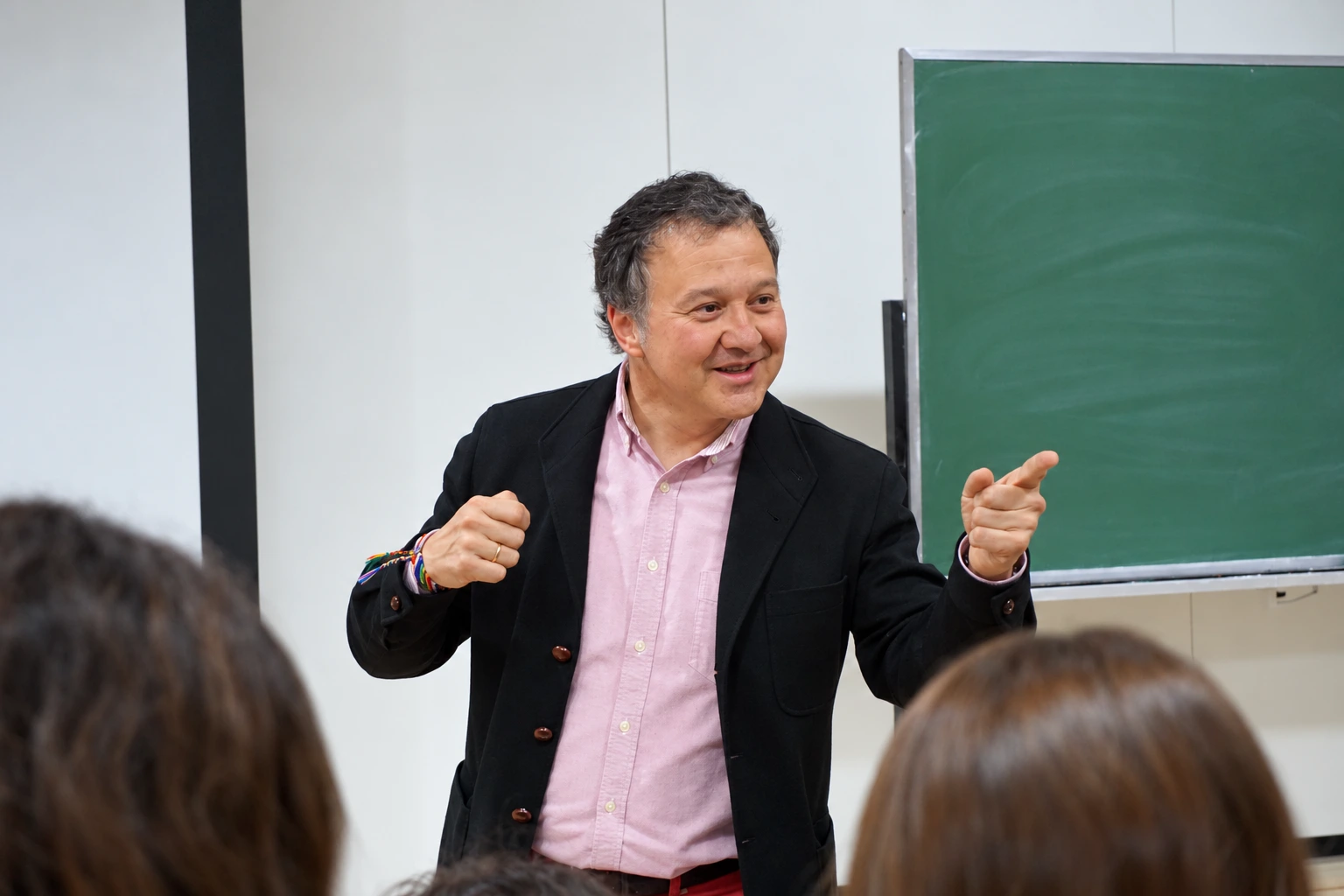
Cecilio Erazquin — a longstanding friend and advocate for Poland in the Basque Country
Cecilio’s interest in Poland and Polish culture began long before our schools started working together. He visited our country back in the days of the Polish People’s Republic, getting to know its people, customs and everyday life. He is particularly fond of Polish cuisine, and sharing a meal gives us many opportunities for conversation and warm encounters.
For many years, Cecilio has worked with dedication to introduce Poland to students and residents of the Basque Country. He shares his own experiences, encourages people to discover our culture and helps organise exchanges through which successive generations of young Basques can get to know our country firsthand. His contribution goes beyond organising meetings: he builds a lasting affection for Poland and its people. This patient work over many years helps overcome stereotypes and turn the distance between countries into closeness between people.
One of the things that connects us is the Catholic tradition present in both Poland and the Basque Country. This shared heritage helps us find familiar customs and values while exploring the differences between our cultures with curiosity.
Thanks to Cecilio, Poland becomes a place of familiar faces, hospitality and friendships worth returning to for many young people. His dedication holds a special place in the history of our schools’ partnership, both as a teacher and coordinator and as someone who knows how to share his affection for our country with others.
His commitment works in both directions: thanks to Cecilio, the Basque Country, its culture and its people have become familiar and dear to our community in Kołobrzeg and, through joint projects and events, to a wider audience in the West Pomeranian region. For years, he has built a bridge between our regions, helping Polish people get to know the Basques and Basque people discover Poland.
Our friendship also has a sweet side. Cecilio’s daughter collects sugar packets and, as her family tells it, has assembled one of the largest collections of its kind in the world. In time, Marek joined in this passion, looking out for packets on his travels around the globe. This small gesture became another warm thread connecting our families. Sometimes friendship is expressed through major joint ventures, and sometimes through a little sugar packet brought back from a faraway journey.
The people behind our cooperation
Around 300 students have participated in the exchanges to date. Teachers from both schools have helped shape these encounters, supporting young people in learning, discovering other cultures and building friendships.
Teachers who have participated in the exchanges — Polish school
Teacher
Subjects and role
Rafał BańkowskiYears of participation: 2020, 2023
English and safety education
Dorota FularaYears of participation: 2024
English
Witold GrabowskiYears of participation: 2018
Physics
Beata KieśYears of participation: 2015
German and Spanish
Marek KieśYears of participation: 2015, 2017, 2018, 2023
Cooperation coordinator; English, German and geography
Marek MuciekYears of participation: 2017
Physics and astronomy
Kamila Rapacz-KisielYears of participation: 2020
English and German
Alina SosnaYears of participation: 2024
English and biology
Teachers from Marianistas school
Cecilio Erazquin — Exchange coordinator
The list of teachers from our partner school will be added after we receive it from Cecilio Erazquin.
Patronage
We are seeking institutional patronage. Confirmed support and guest participation will be published after official replies are received.
06 / Bridges of friendship
Join us
An invitation to collaborate
We also invite other schools, institutions and organisations from Poland and the Basque Country to help shape this space by sharing their experience of youth exchanges, educational projects, cultural cooperation and other forms of Polish–Basque contact.
We would like this website to become a place for sharing experiences, good practice, ideas and reflections, and for building new connections between schools, teachers, students and organisations in Poland and the Basque Country.
We believe that our school’s partnership with Vitoria-Gasteiz is one of many examples of how meeting people, learning together and discovering other cultures can build lasting relationships.
We hope this initiative will become one of many bridges of friendship connecting Poland with Spain and the Basque Country — bridges built by young people, teachers, schools, institutions and everyone who believes in dialogue, mutual understanding and cooperation across borders.
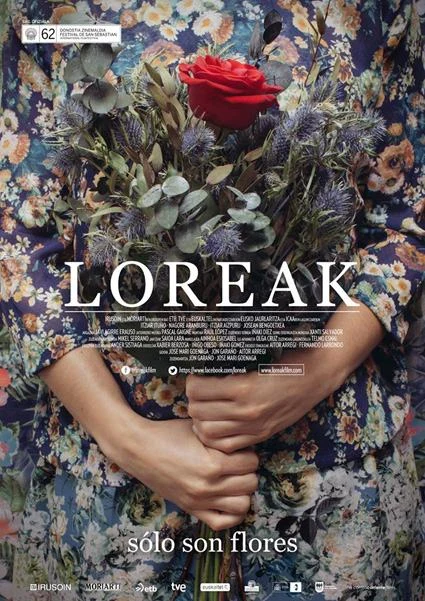
Literatura · Cinema
The Basque Country — books and films
Discover the Basque Country through literature and cinema. Start with the coordinators’ recommendation, then explore selected works. We also welcome your inspirations — recommendations of books and films worth discovering.
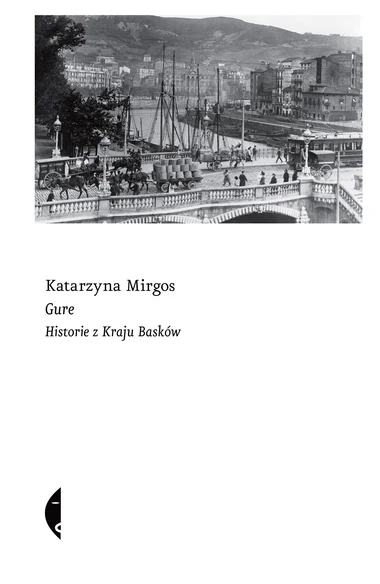
Katarzyna Mirgos
About the author
Katarzyna Mirgos is an anthropologist and professor at the University of Gdańsk, studying Basque culture, migration and identity. Her work combines academic research with personal encounters with the Basque language and everyday life.
Katarzyna Mirgos, Professor at the University of Gdańsk
Coordinators Marek Kieś and Cecilio Erazquin particularly recommend this book as a first introduction to the Basque Country. They value it as a compendium of knowledge about the region, written in a style accessible to young readers.
Through personal experiences and encounters with local people, the author explores Basque history, culture, language, beliefs and contemporary life. A useful introduction before a school exchange.
Pío Baroja (1872–1956) was a writer of Basque origin who wrote in Spanish. He was born in Donostia–San Sebastián. His fiction explores both the Basque Country and other regions of Spain.
Selected English translations. These are historical editions, with publication details for the specific volumes listed.
Pío Baroja
The Tree of Knowledge
Medical student Andrés Hurtado confronts illness, poverty and the limits of progress.
Read more
Medical student Andrés Hurtado confronts illness, poverty and the limits of progress. His search for meaning turns into a questioning of science, society and the possibility of happiness.
Set in the fading town of Labraz, this novel explores a declining household and the tensions of a closed community.
Read more
Set in the fading town of Labraz, this novel explores a declining household and the tensions of a closed community. It belongs to Baroja’s Basque Land trilogy.
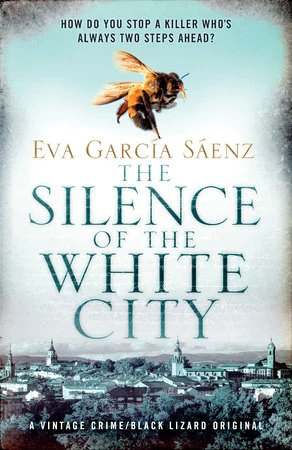
Eva García Sáenz de Urturi was born in Vitoria-Gasteiz and writes in Spanish. Her White City Trilogy combines crime mysteries with the history of her home city, Basque culture and memories of the past.
A double murder in Vitoria-Gasteiz echoes crimes committed twenty years earlier.
The first volume of the White City Trilogy, followed by The Water Rituals and The Lords of Time.
Read more
A double murder in Vitoria-Gasteiz echoes crimes committed twenty years earlier. Criminal profiler Unai López de Ayala, known as Kraken, races to stop further killings. The mystery draws on the city’s history and Basque culture and traditions.
The books below are specific Polish editions. Academic works offer further reading after Gure.
Bernardo Atxaga
About the author
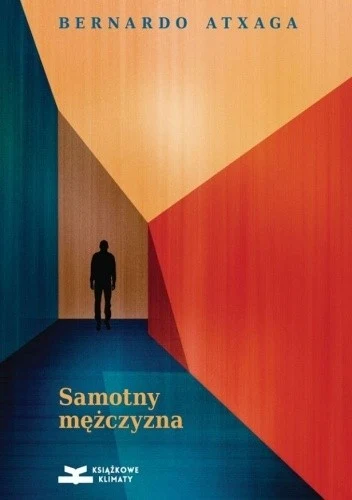
Bernardo Atxaga is the pen name of Joseba Irazu Garmendia, a major writer in the Basque language. His fiction brings together storytelling, memory, identity and the consequences of violence.
During the 1982 World Cup, ETA members hide in a Catalan hotel.
Read more
During the 1982 World Cup, ETA members hide in a Catalan hotel. A former activist must choose between old loyalties and a new life. A novel about responsibility and the difficulty of leaving the past behind.
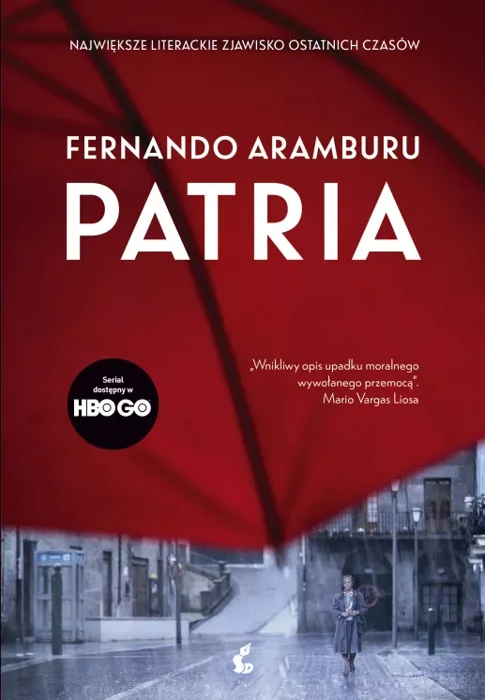
Fernando Aramburu was born in Donostia–San Sebastián in 1959 and writes in Spanish. In Patria, he explores how ETA violence entered everyday life, divided families and destroyed friendships.
Two Basque families experience decades of fear and division caused by terrorism.
Read more
Two Basque families experience decades of fear and division caused by terrorism. A return to the home village raises questions of guilt, memory and the possibility of forgiveness.
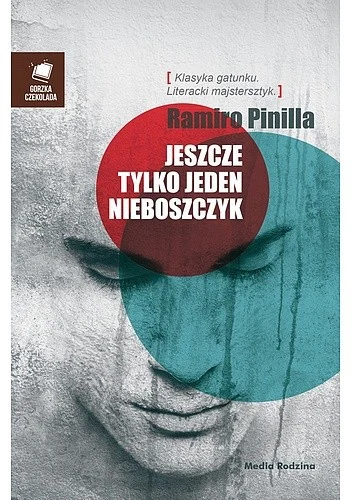
Ramiro Pinilla (1923–2014) was born in Bilbao and lived for many years in Getxo. He wrote in Spanish, drawing extensively on Basque history and society.
A bookseller dreaming of writing crime fiction becomes detective Samuel Esparta.
Read more
A bookseller dreaming of writing crime fiction becomes detective Samuel Esparta. He investigates an old murder in a fishing town near Bilbao. The story plays with the boundary between writing a mystery and solving one.
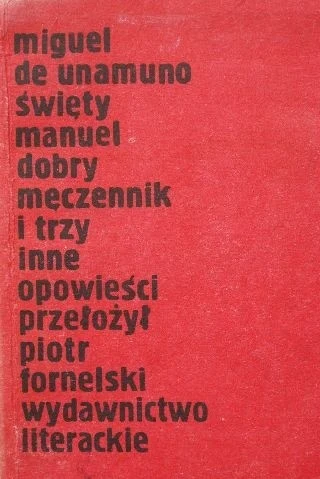
Miguel de Unamuno (1864–1936) was a writer and philosopher of Basque origin, born in Bilbao and writing mainly in Spanish. His works explore identity, faith, doubt and the meaning of human life.
Święty Manuel Dobry, męczennik i trzy inne opowieści
Edition language: Polish.
Four philosophical stories.
Read more
Four philosophical stories. In the title story, a priest admired by his community confronts doubts about faith and his responsibility towards others. Recommended for students who enjoy challenging questions and discussions about difficult choices. This is literature by an author of Basque origin, rather than a guide to the Basque Country. The edition listed here is the Polish translation published in 1985.
The books below are specific Polish editions. Academic works offer further reading after Gure.
Katarzyna Mirgos
About the author
Katarzyna Mirgos is an anthropologist and professor at the University of Gdańsk, studying Basque culture, migration and identity. Her work combines academic research with personal encounters with the Basque language and everyday life.
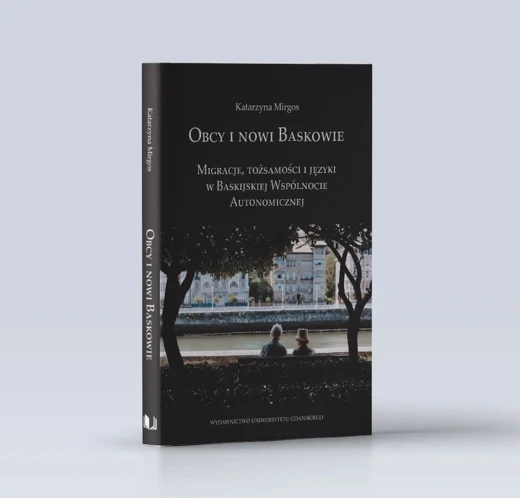
Obcy i nowi Baskowie. Migracje, tożsamość i języki w Baskijskiej Wspólnocie Autonomicznej
Edition language: Polish.
A study of migration and identity in the Basque Autonomous Community.
Read more
A study of migration and identity in the Basque Autonomous Community. It explores the Basque language as both a barrier for newcomers and a means of integration.
A monograph on Mari, an important figure in Basque mythology.
Read more
A monograph on Mari, an important figure in Basque mythology. It examines the myth’s sources and place in Basque culture. Four additional pages contain illustration plates.
Publisher
Polskie Towarzystwo Ludoznawcze · Prace Etnologiczne, t. 22
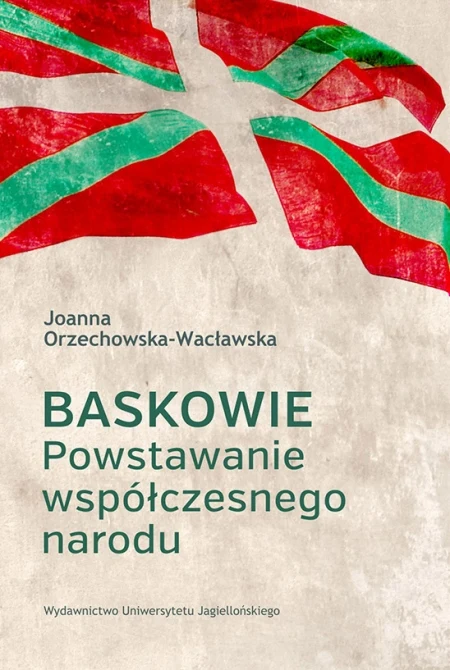
Joanna Orzechowska-Wacławska is an economist and sociologist studying national identity and nationalism. Her research examines how modernisation and economic change shaped the Basque nation.
How did the modern Basque nation take shape? This study explains industrialisation, social change and nationalism from the late nineteenth century.
Read more
How did the modern Basque nation take shape? This study explains industrialisation, social change and nationalism from the late nineteenth century. Further reading on history and identity.
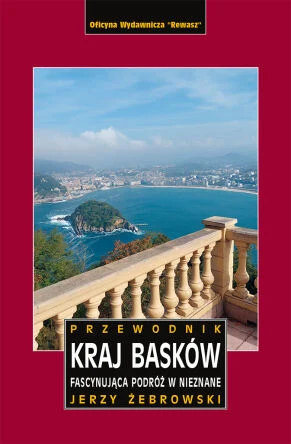
Jerzy Żebrowski writes guidebooks to Spanish regions for Rewasz. His Basque Country guide combines descriptions of places with an introduction to geography, history and local traditions.
Kraj Basków. Fascynująca podróż w nieznane. Przewodnik
Edition language: Polish.
An illustrated guide to the region’s cities and landscapes, including Vitoria-Gasteiz.
Read more
An illustrated guide to the region’s cities and landscapes, including Vitoria-Gasteiz. It introduces Basque history and traditions and helps plan excursions during an exchange.
Joseph Conrad (1857–1924), born Józef Teodor Konrad Korzeniowski, was a Polish-born writer working in English. His fiction uses adventure to explore loyalty, responsibility and difficult moral choices.
Classic fiction · Basque theme
Złota strzała
Edition language: Polish.
A Basque theme in classic fiction: the main action takes place in Marseille against the background of the Third Carlist War.
Read more
A Basque theme in classic fiction: the main action takes place in Marseille against the background of the Third Carlist War. The narrator meets the Basque woman doña Rita and becomes entangled in romantic and political commitments. A novel with a Basque heroine rather than a regional guide.
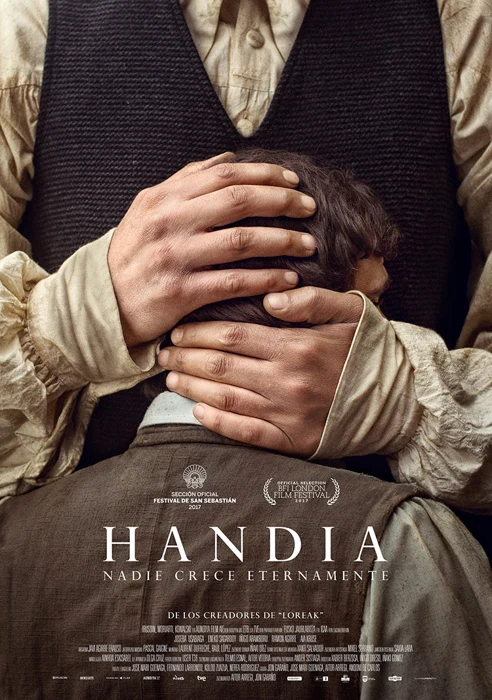
Returning from war to Gipuzkoa, Martín discovers that his brother Joaquín has grown to an extraordinary height. Their journey through Europe changes the family’s fate. Inspired by true events.

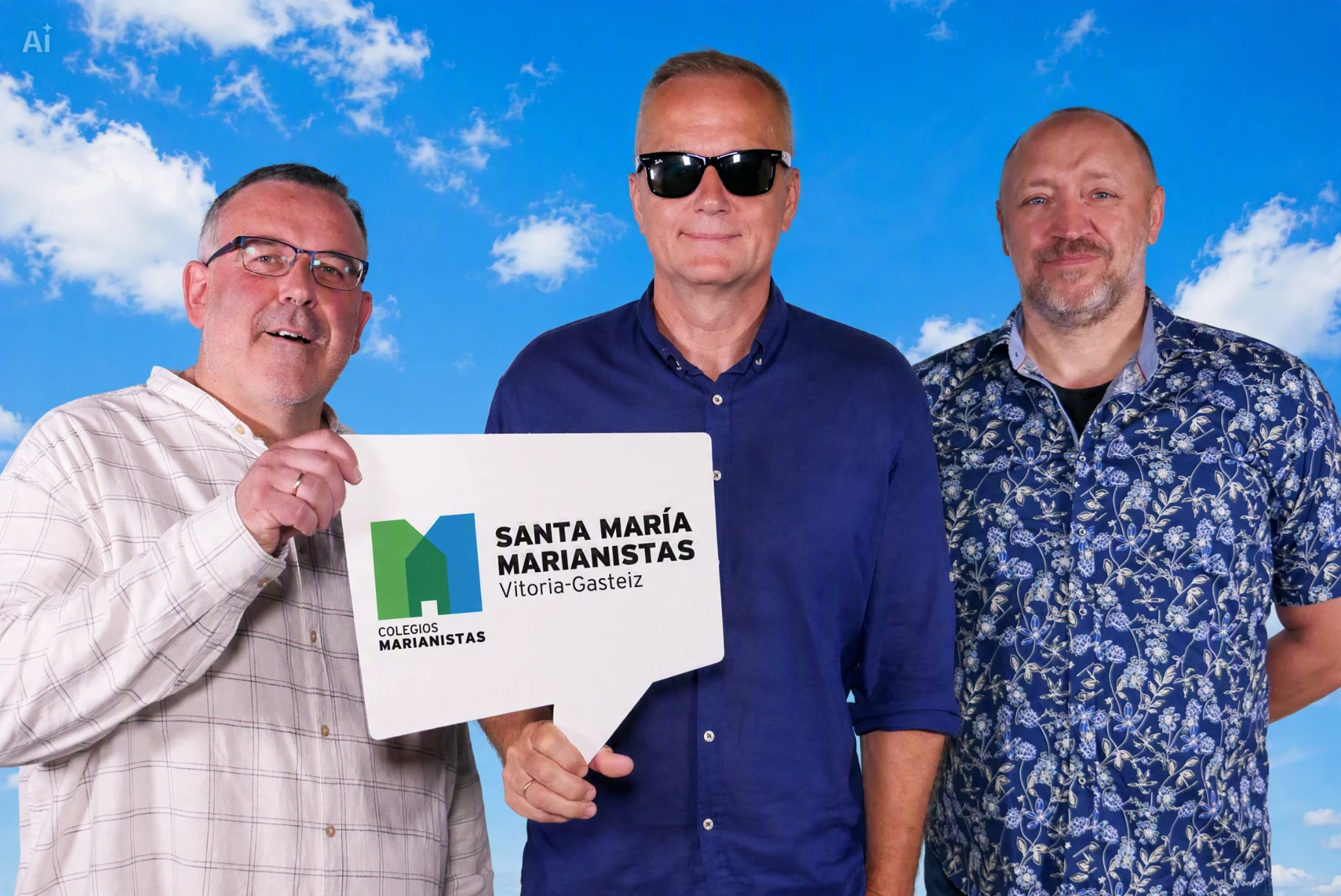
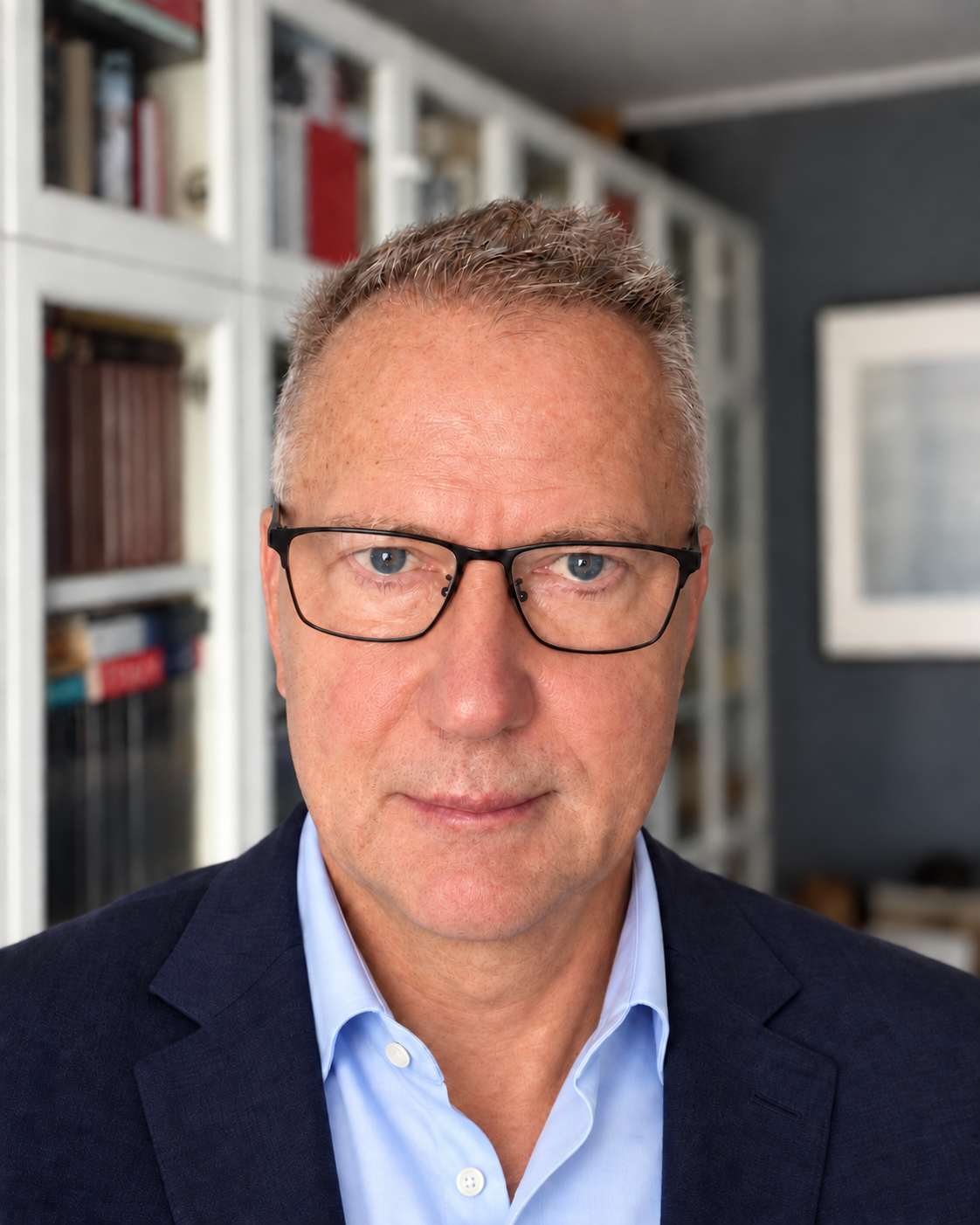 Marek Kieś
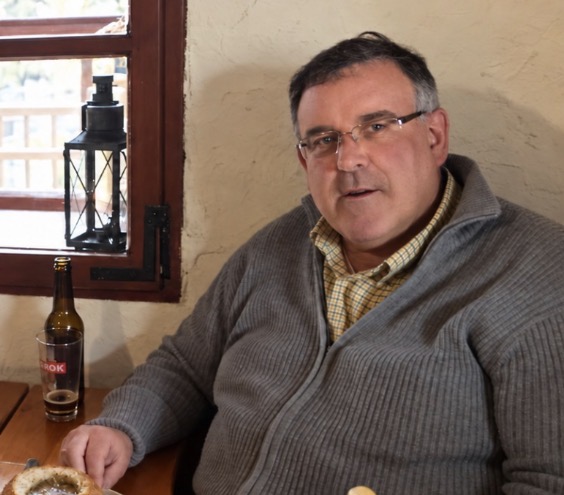 Cecilio Erazquin